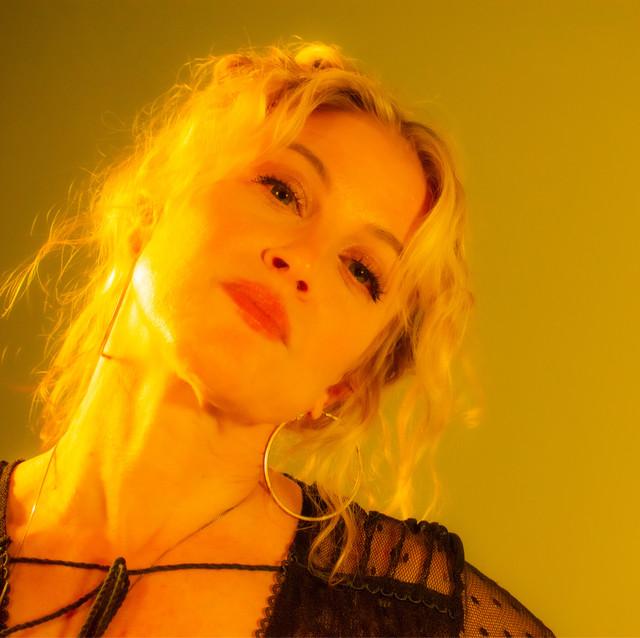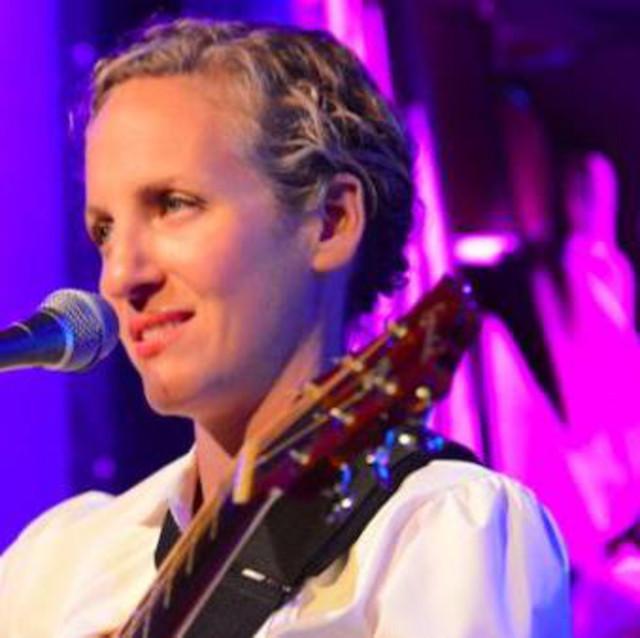
Amy Correia

Rock
Folk Rock
Pop Rock
 Viberate Rank: 487088
 Viberate Rank: 487088
 Monthly ListenersFollowers
 Subscribers
 Followers
 Followers
 FansTop Spotify Songs
| Track | 7-Day Streams | |
|---|---|---|
1 | 45 | |
2 | 18 | |
3 | 17 | |
4 | 10 | |
5 | 10 |
Top YouTube VideosMonthly ListenersFeatured in Playlists| Playlist | Followers | |
|---|---|---|
1 | Christmas albums sfccchemistry | 1.15K |
Audience| City | Monthly Listeners | |
|---|---|---|
1 | | 17 |
2 | | 10 |
3 | | 9 |
4 | | 7 |
5 | | 7 |
See full performance history, audience data, playlist activity, rankings, comparisons, and more in Viberate music analytics. Start with a free trial, then continue with a paid plan.
Amy Correia’s Spotify BioTactile experiences played a prominent role in Los Angeles singer/songwriter Amy Correia's construction of a song. Sometimes, the imagery took her back to a childhood memory as was the case with the bearded lady winking at a tattooed man in her song "Carnival." Other times, a poem did the trick. "Daydream Car" came from poet Patrick Cavanaugh's The Hunger. A Louisiana nightclub experience helped to produce the mournful song "Blind River Boy." Correia, from Lakeville, MA, made waves with her 2000 debut CD, Carnival Love (Capitol), with its richly melodic mix of mournful tales and whimsical stories created from a childlike, imaginary dreamworld. Her background as a short story writer and lover of literature surely contributed to the emotional depth of her songs. She confessed a love for short stories by writers as diverse as James Joyce, Ernest Hemingway, and Flannery O'Connor, whose writings she explored as a student at Barnard College.
Correia was a late bloomer as a songwriter. Not… until she hit 20 in 1998 did she embark on it. She had always been an inward person. Her thoughts often turned to literature and writing short stories. But she never really had thought about putting together those interests with singing until a back injury sidelined her for about two months in 1998. She put her time to use by writing songs, then she went out on the club scene in New York City to test her songs at venues such as Cafe Sin-e, CBGB's Gallery, and the Fez. After first signing to Virgin Records in 1997, she moved to Los Angeles. She started working on a recording, but after several people who were working with her left the label, her project remained incomplete. Luckily, she was able to retain her master tapes and find a welcome sign from Perry Watts Russell, an A&R guy at Capitol Records. Previously, during her time in New York, she met Christopher Thorn of the group Blind Melon at the defunct club Cafe Sin-e in the East Village in New York City. He encouraged her to make a demo tape in Seattle.
Her move to Los Angeles was a big adjustment for her. She left behind friends and family on the East Coast for a lot of lonely nights in the West. However, she soon found a welcome club called Largo, where she further honed her songs. She spent a lot of her early time in Los Angeles in a recording studio, but she enjoyed balancing her activities by working the club scene. For Correia, the life of a musician struck a good balance between her inward thoughts and external reality. It afforded her an opportunity to translate the necessarily solitary act of songwriting into a social, sharing experience that not only gave her a sense of self-worth, but connected her to a larger family. Correia's debut CD, Carnival Love, was released on Capitol Records, followed by her Christmas in L.A., featuring the Tinseltown Tabernacle Choir, on Capitol Records in late 2000. ~ Robert Hicks, Rovi
Viberate is a music analytics platform built for A&Rs, artist managers, labels, booking agents, marketers, and artists.
It helps music professionals track artist growth, analyze audience data, monitor playlist activity, compare artists, follow song performance, and identify opportunities across the music market.
Public artist pages provide a free preview of selected artist data. Paid plans provide access to deeper analytics, historical data, charts, comparisons, playlist tools, exports, alerts, reports, and additional professional features.
Yes. Public Viberate artist pages provide selected artist analytics and music data for free.
Viberate also offers a 7-day free trial of the full platform. A credit card is required to start the trial. The trial includes access to the complete product so users can test deeper artist analytics, historical views, playlist insights, comparisons, charts, exports, alerts, and reporting features before choosing a paid plan.
Viberate provides artist analytics across streaming, playlists, social media, video, radio airplay, songs, and audience markets.
Users can analyze Spotify performance, Spotify and Apple Music playlists, YouTube activity, TikTok and Instagram growth, radio spins, song performance, audience locations, demographics, rankings, and overall artist momentum.
Artist profiles also connect to music charts, similar artists, and comparison tools, helping users benchmark performance and evaluate artists in context.
Viberate updates key artist and track data daily.
For followed artists and tracks, selected data is refreshed multiple times per day. This helps teams monitor playlist changes, streaming movement, audience growth, releases, and campaign performance with more current data.
Update frequency can vary depending on the metric and data source.
Yes. Viberate lets users compare up to five artists side by side across streaming, social media, audience, and engagement metrics.
Users can compare fanbase growth, audience demographics, locations, Spotify performance, social metrics, and other artist data over selected time periods.
Artist comparison can be used for A&R scouting, benchmarking, booking decisions, campaign planning, and evaluating artists with similar audiences or market positions.