Ammonia

Rock
Alternative Rock
 Viberate Rank: 255530
 Viberate Rank: 255530
 Monthly ListenersFollowers
 Subscribers
 Followers
 Followers
 FansTop Spotify Songs
| Track | 7-Day Streams | |
|---|---|---|
1 | 4.69K | |
2 | 2.80K | |
3 | 504 | |
4 | 389 | |
5 | 278 |
Top YouTube Videos| Video | 7-Day Views | |
|---|---|---|
1 | 783 |
Monthly ListenersFeatured in Playlists| Playlist | Followers | |
|---|---|---|
1 |  Triple J Hottest 100 1993-2018 deñt | 29.34K |
2 |  COVERS - VERSIONES DE EXITOS Juan Ignacio Escoval | 19.18K |
3 |  triple j's Hottest 100 1997 triple j | 16.66K |
4 |  Triple J Hottest 100 1993-2023 Morgan Burridge | 11.29K |
5 |  triple j's Hottest 100 1995 triple j | 11.16K |
Audience| City | Monthly Listeners | |
|---|---|---|
1 | | 3.11K |
2 | | 3.02K |
3 | | 2.83K |
4 | | 2.38K |
5 | | 1.10K |
See full performance history, audience data, playlist activity, rankings, comparisons, and more in Viberate music analytics. Start with a free trial, then continue with a paid plan.
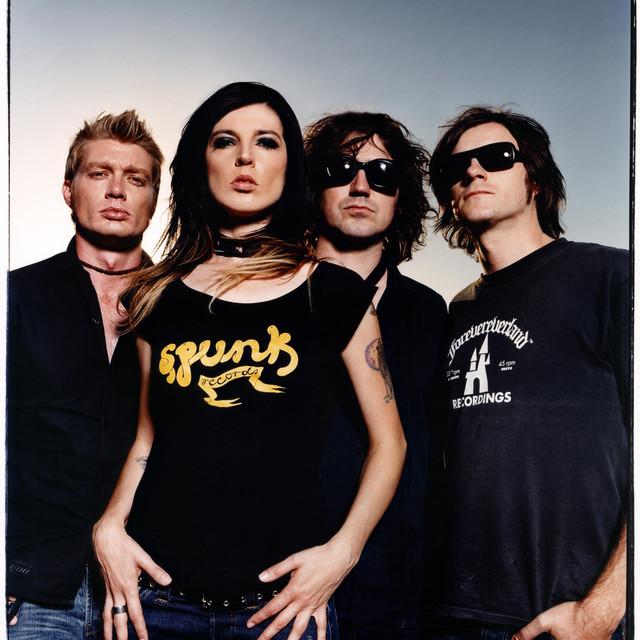
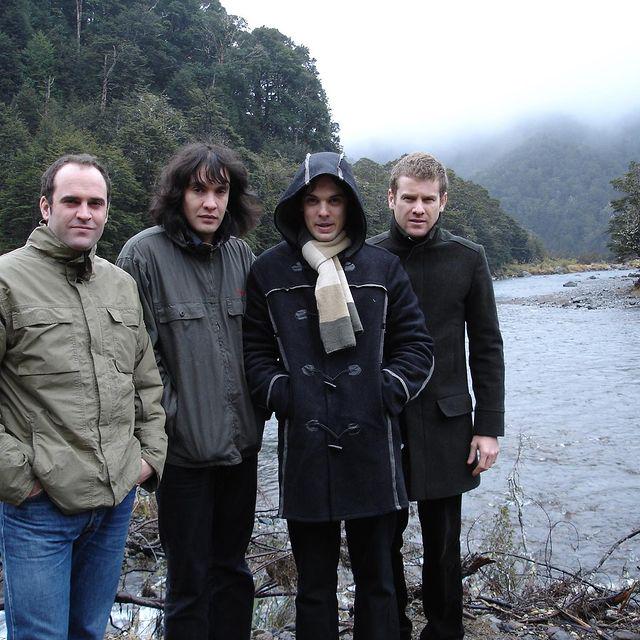
Ammonia’s Spotify BioAn alternative rock band from Australia, Ammonia has made a name for themselves producing post-Nirvana songs including "Face Down" and "Little Death." The band consists of Dave Johnstone as guitarist and vocalist, Allan Balmont on the drums, and Simon Hensworth on bass. Although the band is popular in Australia and among some alternative rock fans in the United States, their sound is not definable among the other alternative rock groups. The group's album Mint 400, contains 12 songs which will bring the band much success with the hits "Suzi-Q," "Drugs," and "Ken Carter."
The group formed in 1992 with Dave Johnstone and Allan Balmont. The guitarist and drummer were then performing under the name Fuzzswirl. It wasn't until 1993 that bassist Simon Hensworth joined the group and the band's name was changed to Ammonia. The group's success was due mostly to its hometown style of recording and word of mouth. The trio released a cassette of recordings and became a well-known band in Perth.… Trying to further the band's reputation and success, Ammonia began touring in 1994 in larger cities in Australia such as Sydney. Their song "Orange Juice" received great attention in Sydney, and in the summer of 1994, Ammonia received a recording contract with the Murmur label. The group's first album, In a Box, received rave reviews. Sleepwalking, the band's second album, was released in 1995.
Ammonia took its musical inspiration from everyday experiences. The group's song "Drugs" is about apathy toward drugs and its title song, "In a Box," is about living a sheltered life. The group came up with this hit living and performing in Perth and trying to further their career with gigs and performances outside of Perth. Mint 400, the group's third release, is about selling out. The album received its title from an auto race described in the book Fear and Loathing in Las Vegas. The album has been released both in Australia and the United States. Audiences applauded the group because of their musical style, adopting different sounds depending on the mood and messages of their songs. Mint 400 was number 15 on the Australian music charts.
Despite the 300-400 other alternative post-Nirvana bands that exist, Ammonia has managed to develop a style of its own. Their songs demonstrate a passion that does not exist in most alternative rock bands. The band continues to release original work while recording some of audiences favorites. Mint 400 includes ten original songs along with remakes of "In a Box" and "Sleepwalking." Ammonia's success continues to increase because of the demand for passionate loud bands. ~ Kim Summers, Rovi
Viberate is a music analytics platform built for A&Rs, artist managers, labels, booking agents, marketers, and artists.
It helps music professionals track artist growth, analyze audience data, monitor playlist activity, compare artists, follow song performance, and identify opportunities across the music market.
Public artist pages provide a free preview of selected artist data. Paid plans provide access to deeper analytics, historical data, charts, comparisons, playlist tools, exports, alerts, reports, and additional professional features.
Yes. Public Viberate artist pages provide selected artist analytics and music data for free.
Viberate also offers a 7-day free trial of the full platform. A credit card is required to start the trial. The trial includes access to the complete product so users can test deeper artist analytics, historical views, playlist insights, comparisons, charts, exports, alerts, and reporting features before choosing a paid plan.
Viberate provides artist analytics across streaming, playlists, social media, video, radio airplay, songs, and audience markets.
Users can analyze Spotify performance, Spotify and Apple Music playlists, YouTube activity, TikTok and Instagram growth, radio spins, song performance, audience locations, demographics, rankings, and overall artist momentum.
Artist profiles also connect to music charts, similar artists, and comparison tools, helping users benchmark performance and evaluate artists in context.
Viberate updates key artist and track data daily.
For followed artists and tracks, selected data is refreshed multiple times per day. This helps teams monitor playlist changes, streaming movement, audience growth, releases, and campaign performance with more current data.
Update frequency can vary depending on the metric and data source.
Yes. Viberate lets users compare up to five artists side by side across streaming, social media, audience, and engagement metrics.
Users can compare fanbase growth, audience demographics, locations, Spotify performance, social metrics, and other artist data over selected time periods.
Artist comparison can be used for A&R scouting, benchmarking, booking decisions, campaign planning, and evaluating artists with similar audiences or market positions.