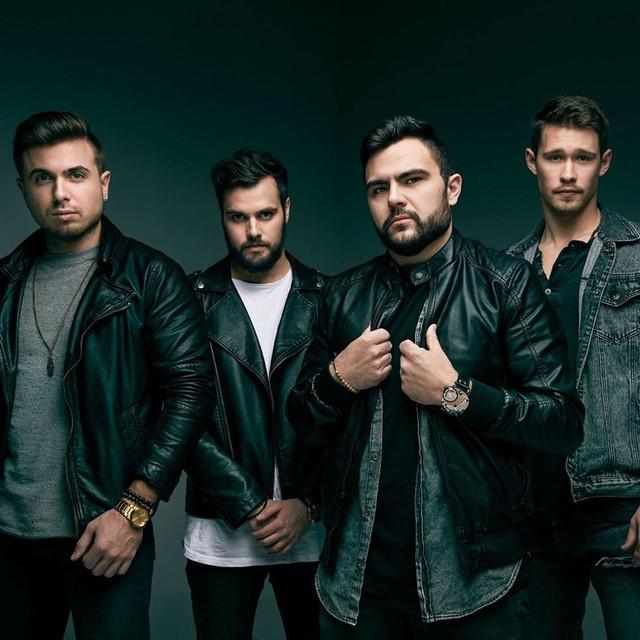
American Sin

Metal
Alternative Metal
Other Electronic Music
 Viberate Rank: 268111
 Viberate Rank: 268111
 Monthly ListenersFollowers
 Subscribers
 Followers
 Followers
 FansTop Spotify Songs
| Track | 7-Day Streams | |
|---|---|---|
1 | 2.92K | |
2 | 1.23K | |
3 | 458 | |
4 | 112 | |
5 | 40 |
Top YouTube VideosMonthly ListenersFeatured in Playlists| Playlist | Followers | |
|---|---|---|
1 | Santo Secundus | 3.39K |
2 |  SirusXm Octane Anixity | 3.34K |
3 | Octane Duramax | 3.22K |
4 |  garage rock vibes oldbandtee | 3.04K |
5 |  Gaming Metal Martin Rognes Røsnes | 2.86K |
Audience| City | Monthly Listeners | |
|---|---|---|
1 | | 125 |
2 | | 112 |
3 |  | 108 |
4 | | 106 |
5 | | 95 |
See full performance history, audience data, playlist activity, rankings, comparisons, and more in Viberate music analytics. Start with a free trial, then continue with a paid plan.
American Sin’s Spotify BioHard rock needs a little danger these days.
For too long, the reckless abandon that defined and invigorated the genre at its outset
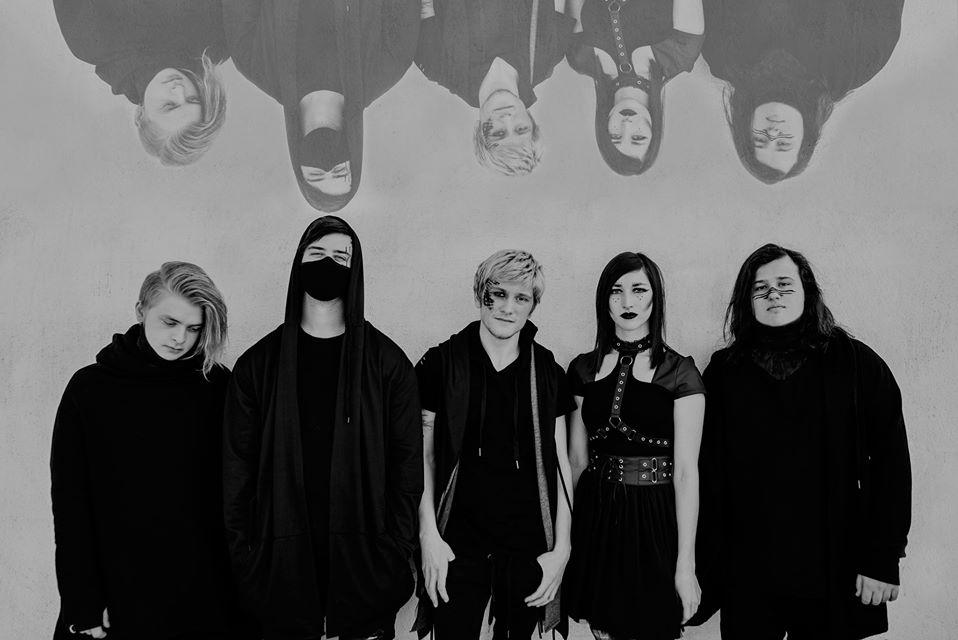
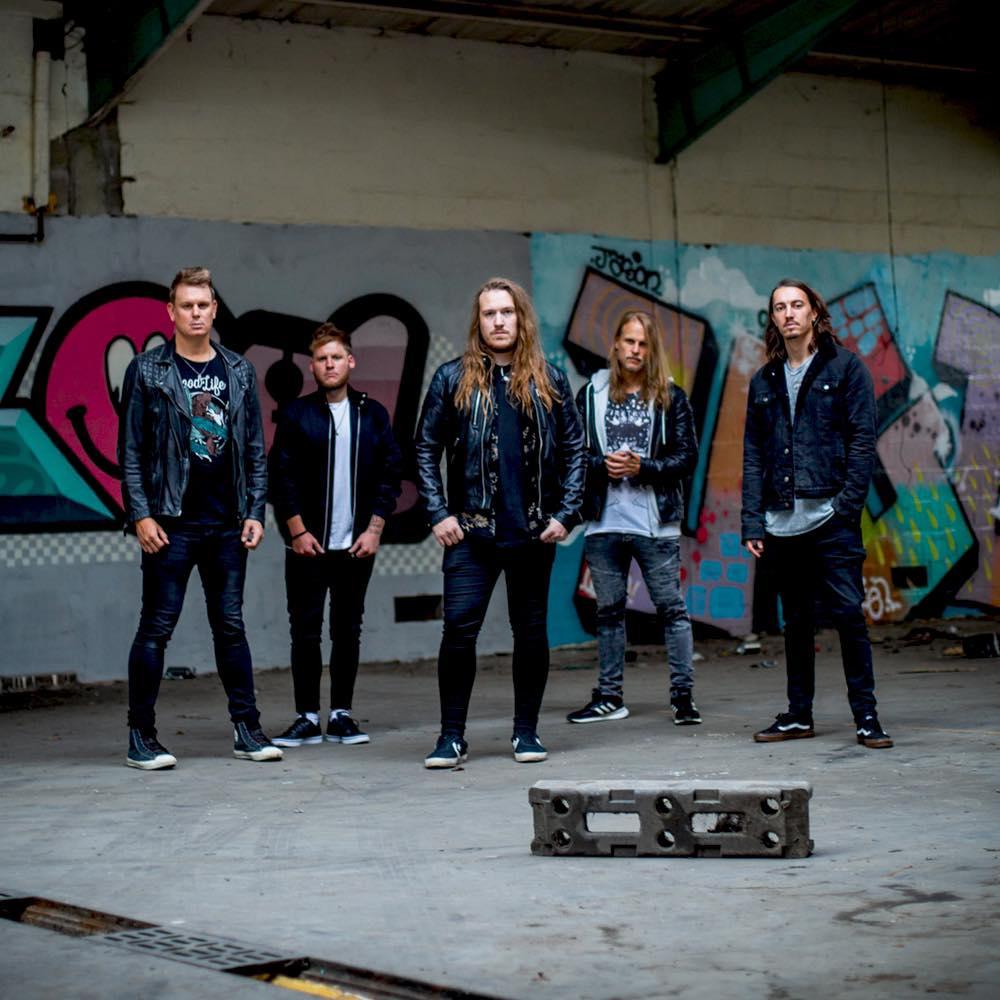
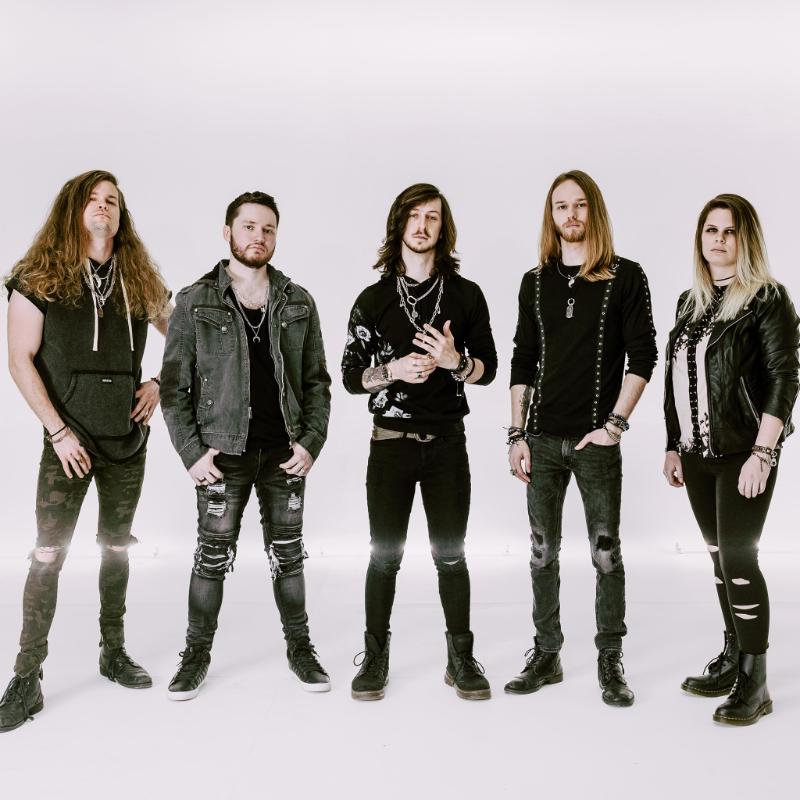
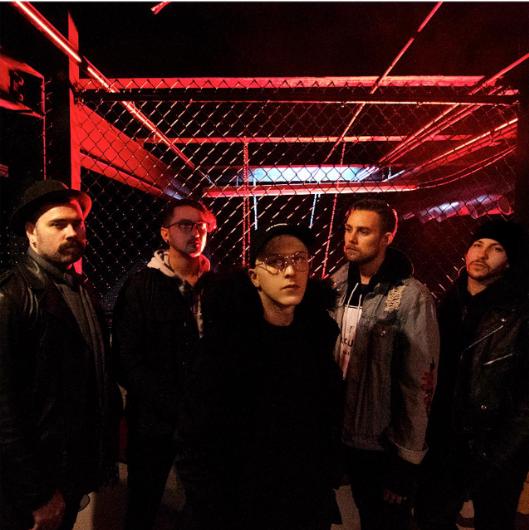
has softly faded. Enter American Sin. The Cincinnati quartet—John Bobinger [vocals],
Samuel Morelock [guitar], Marcus Barber [guitar, vocals], and Jake Wire
[bass]—infuse raw attitude into chantable hooks with just the right amount of metallic
proficiency and a personal style that could easily be likened to a rock ‘n’ roll G-Eazy
complete with denim, leather, and slicked back hair. The four band mates initially made
a name for themselves as successful Ohio favorites Come The Dawn. However, 2017
sees American Sin confidently step into the spotlight with their forthcoming full-length
album for Sumerian Records.
“In my opinion, American Sin is what we always wanted to do from the get-go,” exclaims
Samuel. “We definitely have that metal bone, but we really love rock music at the same
time. It’s something that we’ve been passionate about pursuing, and it finally came to
fru…ition. We wanted to come out with a relatable and powerful active rock sound that still
has some of that heavier DNA.”
Throughout 2016, the boys began recording what became their debut in Ohio. Samuel
personally oversaw production, while they enlisted the mixing talents of Alan Hessler
[Avenged Sevenfold, Asking Alexandria]. Evoking influences ranging from Breaking
Benjamin and Three Days Grace to Five Finger Death Punch, the songs showcase a
new energy for the musicians.
Viberate is a music analytics platform built for A&Rs, artist managers, labels, booking agents, marketers, and artists.
It helps music professionals track artist growth, analyze audience data, monitor playlist activity, compare artists, follow song performance, and identify opportunities across the music market.
Public artist pages provide a free preview of selected artist data. Paid plans provide access to deeper analytics, historical data, charts, comparisons, playlist tools, exports, alerts, reports, and additional professional features.
Yes. Public Viberate artist pages provide selected artist analytics and music data for free.
Viberate also offers a 7-day free trial of the full platform. A credit card is required to start the trial. The trial includes access to the complete product so users can test deeper artist analytics, historical views, playlist insights, comparisons, charts, exports, alerts, and reporting features before choosing a paid plan.
Viberate provides artist analytics across streaming, playlists, social media, video, radio airplay, songs, and audience markets.
Users can analyze Spotify performance, Spotify and Apple Music playlists, YouTube activity, TikTok and Instagram growth, radio spins, song performance, audience locations, demographics, rankings, and overall artist momentum.
Artist profiles also connect to music charts, similar artists, and comparison tools, helping users benchmark performance and evaluate artists in context.
Viberate updates key artist and track data daily.
For followed artists and tracks, selected data is refreshed multiple times per day. This helps teams monitor playlist changes, streaming movement, audience growth, releases, and campaign performance with more current data.
Update frequency can vary depending on the metric and data source.
Yes. Viberate lets users compare up to five artists side by side across streaming, social media, audience, and engagement metrics.
Users can compare fanbase growth, audience demographics, locations, Spotify performance, social metrics, and other artist data over selected time periods.
Artist comparison can be used for A&R scouting, benchmarking, booking decisions, campaign planning, and evaluating artists with similar audiences or market positions.