Amelinha

Pop
Latin Pop
Nova MPB
 Viberate Rank: 43966
 Viberate Rank: 43966
 Monthly ListenersFollowers
 Subscribers
 Followers
 Followers
 FansTop Spotify Songs
| Track | 7-Day Streams | |
|---|---|---|
1 | 36.55K | |
2 | 27.57K | |
3 | 26.87K | |
4 | 23.68K | |
5 | 14.81K |
Top YouTube VideosMonthly ListenersFeatured in Playlists| Playlist | Followers | |
|---|---|---|
1 |  Zé Ramalho - As Melhores | Chão de Giz Sony Music Brasil | 502.95K |
2 |  Brasilidades Spotify | 310.16K |
3 |  Xote & Chamego Spotify | 150.54K |
4 |  This Is Belchior Spotify | 118.06K |
5 |  Brasil Anos 70 Spotify | 108.20K |
Audience| City | Monthly Listeners | |
|---|---|---|
1 | | 48.30K |
2 | | 21.18K |
3 | | 20.63K |
4 | | 15.48K |
5 | | 15.32K |
See full performance history, audience data, playlist activity, rankings, comparisons, and more in Viberate music analytics. Start with a free trial, then continue with a paid plan.
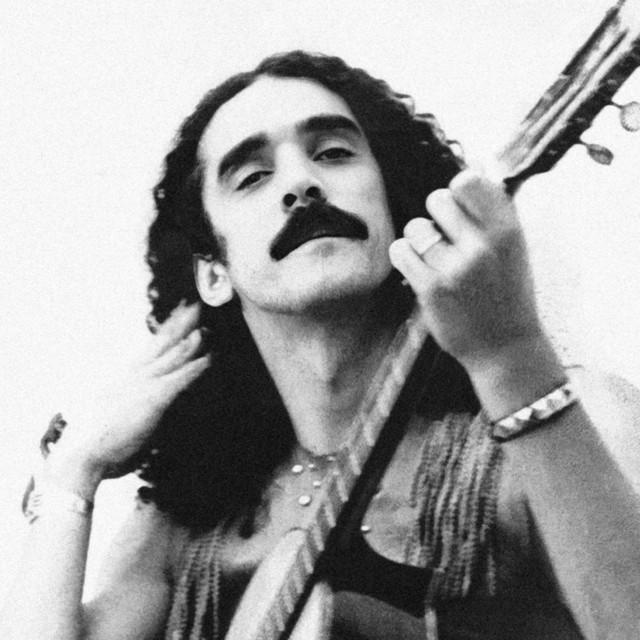
Amelinha’s Spotify BioSinger/composer Amelinha emerged in the '70s as one of the artists (such as Zé Ramalho, Alceu Valença, Elba Ramalho, Ednardo, Geraldo Azevedo, Fagner, Belchior, and others) who infused pop music into Northeastern folklore and reached national recognition. Amelinha had a gold record and, with another album, sold more than a million copies. Amelinha moved to São Paulo in 1970 and did backing vocals for her friend Fagner. In 1974, she was already performing professionally and making TV appearances. She was then invited to accompany Vinícius de Moraes and Toquinho in their 1975 tour to Punta del Este, Argentina. There, de Moraes dedicated the song "Ah! Quem Me Dera" to her. Her first break came with the favorable reviews for her album Flor Da Paisagem (1977). The second album, Frevo Mulher (1979), had a gold record. In 1980, as she was participating in TV Globo's MPB 80 Festival, a packed Maracanãzinho sang along with her "Foi Deus Que Fez Você" (Luiz Ramalho). The song achieved second… place in the festival and sold more than a million copies, becoming the first song to reach the top of the parades both in the modulated frequency and short wave radios. In 1982, Amelinha had another hit with "Mulher Nova, Bonita E Carinhosa Faz O Homem Gemer Sem Sentir Dor." Included in the TV Globo series Lampião e Maria Bonita as the main theme, the song boosted the album sales for Mulher Nova, Bonita E Carinhosa Faz O Homem Gemer Sem Sentir Dor. For more than 30 weeks it remained amongst the 50 best-sold LPs of the year. In 1984, Amelinha entered a new phase, adopting pop elements. In 1989, she presented another profile in her show Saudades da Amélia, dedicated to MPB composers Tom Jobim, Caetano Veloso, and Chico Buarque. In the New Forró wave that emerged in the '90s, she returned to her cultural origins. ~ Alvaro Neder, Rovi
Viberate is a music analytics platform built for A&Rs, artist managers, labels, booking agents, marketers, and artists.
It helps music professionals track artist growth, analyze audience data, monitor playlist activity, compare artists, follow song performance, and identify opportunities across the music market.
Public artist pages provide a free preview of selected artist data. Paid plans provide access to deeper analytics, historical data, charts, comparisons, playlist tools, exports, alerts, reports, and additional professional features.
Yes. Public Viberate artist pages provide selected artist analytics and music data for free.
Viberate also offers a 7-day free trial of the full platform. A credit card is required to start the trial. The trial includes access to the complete product so users can test deeper artist analytics, historical views, playlist insights, comparisons, charts, exports, alerts, and reporting features before choosing a paid plan.
Viberate provides artist analytics across streaming, playlists, social media, video, radio airplay, songs, and audience markets.
Users can analyze Spotify performance, Spotify and Apple Music playlists, YouTube activity, TikTok and Instagram growth, radio spins, song performance, audience locations, demographics, rankings, and overall artist momentum.
Artist profiles also connect to music charts, similar artists, and comparison tools, helping users benchmark performance and evaluate artists in context.
Viberate updates key artist and track data daily.
For followed artists and tracks, selected data is refreshed multiple times per day. This helps teams monitor playlist changes, streaming movement, audience growth, releases, and campaign performance with more current data.
Update frequency can vary depending on the metric and data source.
Yes. Viberate lets users compare up to five artists side by side across streaming, social media, audience, and engagement metrics.
Users can compare fanbase growth, audience demographics, locations, Spotify performance, social metrics, and other artist data over selected time periods.
Artist comparison can be used for A&R scouting, benchmarking, booking decisions, campaign planning, and evaluating artists with similar audiences or market positions.