Amelia Warner

Classical
Classical Crossover
Orchestral
 Viberate Rank: 151852
 Viberate Rank: 151852
 Monthly ListenersFollowers
 Subscribers
 Followers
 Followers
 FansTop Spotify Songs
| Track | 7-Day Streams | |
|---|---|---|
1 | 10.01K | |
2 | 3.38K | |
3 | 2.62K | |
4 | 2.31K | |
5 | 2.05K |
Top YouTube VideosMonthly ListenersFeatured in Playlists| Playlist | Followers | |
|---|---|---|
1 |  Soundtracks for Studying Spotify | 157.10K |
2 |  Best of Movie, TV & Game Soundtracks by GuiguiF Guillaume Flahaut | 53.67K |
3 |  Best Classical for Work Decca Records US | 41.92K |
4 |  Piano Pop: For The World Music Lab Collective | 31.28K |
5 |  Movie Hits HITS | 29.94K |
Audience| City | Monthly Listeners | |
|---|---|---|
1 | | 943 |
2 |  | 623 |
3 |  | 493 |
4 |  | 406 |
5 | | 402 |
See full performance history, audience data, playlist activity, rankings, comparisons, and more in Viberate music analytics. Start with a free trial, then continue with a paid plan.
Amelia Warner’s Spotify BioBorn in Merseyside in 1982, the only child of actors Alun Lewis and Anita Ekblom, Amelia Warner first made a name for herself as an actor. She starred in the 2001 BBC production of R.D. Blackmore’s Lorna Doone, and soon established herself as a performer of quiet insight in films such as Philip Kaufman’s Quills, Adam Rap’s Winter Passing and Stephen Wooley’s Brian Jones biography, Stoned. On the set, in down time, Warner would compose music and write songs, a passion that had been there since childhood.
Using the name Slow Moving Millie (a playful nickname from friends who felt she should do more with her music, and fast) Warner began to create music.
Her first major project was scoring British short film Mam, which won several awards on the film festival circuit.
Working with an old midi keyboard, Warner came to Universal a new EP titled “Arms”, produced by Fyfe Dangerfield. These five poignant, textured pieces for grand piano took Warner to No. 1 in the iTunes classical music charts.… Following “Arms” came her second EP “Visitors”, which featured 7 songs each based off of a fictional female character and gave her another No 1. on iTunes.
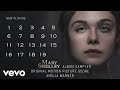
In 2016, Amelia scored her first feature length film – Mum’s List – and is now scoring the upcoming film Mary Shelley, a movie about the writer’s love affair with Percy Bysshe Shelley – the relationship that inspired her to write Frankenstein.
Viberate is a music analytics platform built for A&Rs, artist managers, labels, booking agents, marketers, and artists.
It helps music professionals track artist growth, analyze audience data, monitor playlist activity, compare artists, follow song performance, and identify opportunities across the music market.
Public artist pages provide a free preview of selected artist data. Paid plans provide access to deeper analytics, historical data, charts, comparisons, playlist tools, exports, alerts, reports, and additional professional features.
Yes. Public Viberate artist pages provide selected artist analytics and music data for free.
Viberate also offers a 7-day free trial of the full platform. A credit card is required to start the trial. The trial includes access to the complete product so users can test deeper artist analytics, historical views, playlist insights, comparisons, charts, exports, alerts, and reporting features before choosing a paid plan.
Viberate provides artist analytics across streaming, playlists, social media, video, radio airplay, songs, and audience markets.
Users can analyze Spotify performance, Spotify and Apple Music playlists, YouTube activity, TikTok and Instagram growth, radio spins, song performance, audience locations, demographics, rankings, and overall artist momentum.
Artist profiles also connect to music charts, similar artists, and comparison tools, helping users benchmark performance and evaluate artists in context.
Viberate updates key artist and track data daily.
For followed artists and tracks, selected data is refreshed multiple times per day. This helps teams monitor playlist changes, streaming movement, audience growth, releases, and campaign performance with more current data.
Update frequency can vary depending on the metric and data source.
Yes. Viberate lets users compare up to five artists side by side across streaming, social media, audience, and engagement metrics.
Users can compare fanbase growth, audience demographics, locations, Spotify performance, social metrics, and other artist data over selected time periods.
Artist comparison can be used for A&R scouting, benchmarking, booking decisions, campaign planning, and evaluating artists with similar audiences or market positions.