Amanda Stott

Country
Contemporary Country
Other European Music
Christian Music
 Viberate Rank: 361588
 Viberate Rank: 361588
 Monthly ListenersFollowers
 Subscribers
 Followers
 Followers
 FansTop Spotify Songs
| Track | 7-Day Streams | |
|---|---|---|
1 | 5.80K | |
2 | 133 | |
3 | 60 | |
4 | 59 | |
5 | 56 |
Top YouTube VideosMonthly ListenersFeatured in Playlists| Playlist | Followers | |
|---|---|---|
1 |  Canadian Gold: 2000s Spotify | 56.71K |
2 |  dansband & country & rockabilly Jessica Lundgren | 10.48K |
3 |  Trucking Sondre Eek | 4.30K |
4 |  "Raggarklassiker" Zirker | 3.77K |
5 |  Ströget 2k26🤙 Stefan Lindblom | 3.23K |
Audience| City | Monthly Listeners | |
|---|---|---|
1 |  | 802 |
2 | | 698 |
3 |  | 657 |
4 | | 273 |
5 | | 125 |
See full performance history, audience data, playlist activity, rankings, comparisons, and more in Viberate music analytics. Start with a free trial, then continue with a paid plan.
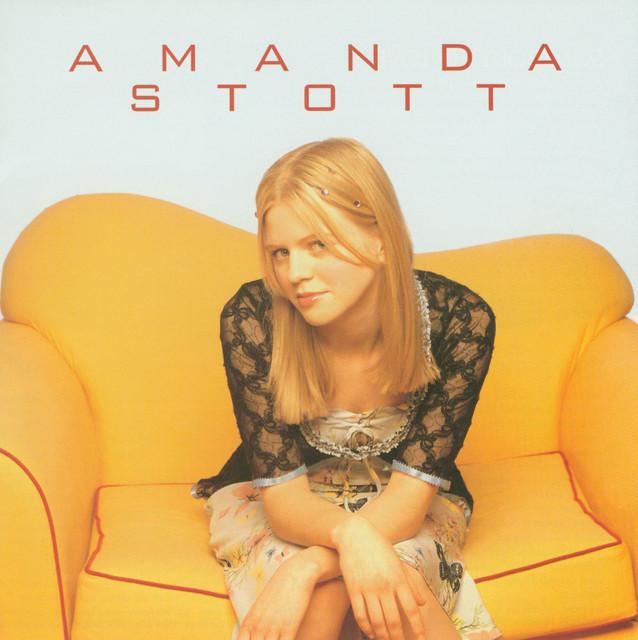
Amanda Stott’s Spotify BioAward-winning country singer Amanda Stott completed the recording of her self-titled debut album in the spring of 2000. Being so close to her family, it came as little surprise to those who knew her when that album was dedicated to the sister who died years earlier. The first single to be released from the excellent debut was "Black Is Black." It quickly found its way onto the country charts, moving easily into the Top Ten. The young singer's first offering set up a promising preview of what fans and music critics could expect from her in the future.
Stott was born in 1982 and grew up working on a family farm that raised both crops and cattle. Before she was old enough to enter school, she was already singing in front of impressed audiences at the neighborhood church. Music came as second nature to her, or maybe even first. Her father is a musician, equally capable on the piano, banjo, saxophone, and even the accordion. Together with her brother, a drummer, they formed a little family… band. By the time she was 11 years old, she was already performing on the festival and fair circuit throughout Canada.
In 1999, at the ripe old age of 17, Stott was put under contract by Warner Music Canada. Live shows kept her fan base at a steady growth rate, while she went to work on her first album. Music videos on television stations like CMT put the young star in front of country music fans in the United States. Award nominations and wins began to roll in, like the Rising Star Award, Outstanding Video of the Year for "Black Is Black," Outstanding Country Recording and Outstanding Album for her self-titled debut, Entertainer of the Year, and a coveted Juno for Best New Solo Artist.
Some of the tunes Stott performs are "Reachin' for a Star," "I Just Believe That I Can," "All Along," "He Loves Me Like That," "To Keep From Missing You," "Every Time the Phone Rings," and "Magic." ~ Charlotte Dillon
Viberate is a music analytics platform built for A&Rs, artist managers, labels, booking agents, marketers, and artists.
It helps music professionals track artist growth, analyze audience data, monitor playlist activity, compare artists, follow song performance, and identify opportunities across the music market.
Public artist pages provide a free preview of selected artist data. Paid plans provide access to deeper analytics, historical data, charts, comparisons, playlist tools, exports, alerts, reports, and additional professional features.
Yes. Public Viberate artist pages provide selected artist analytics and music data for free.
Viberate also offers a 7-day free trial of the full platform. A credit card is required to start the trial. The trial includes access to the complete product so users can test deeper artist analytics, historical views, playlist insights, comparisons, charts, exports, alerts, and reporting features before choosing a paid plan.
Viberate provides artist analytics across streaming, playlists, social media, video, radio airplay, songs, and audience markets.
Users can analyze Spotify performance, Spotify and Apple Music playlists, YouTube activity, TikTok and Instagram growth, radio spins, song performance, audience locations, demographics, rankings, and overall artist momentum.
Artist profiles also connect to music charts, similar artists, and comparison tools, helping users benchmark performance and evaluate artists in context.
Viberate updates key artist and track data daily.
For followed artists and tracks, selected data is refreshed multiple times per day. This helps teams monitor playlist changes, streaming movement, audience growth, releases, and campaign performance with more current data.
Update frequency can vary depending on the metric and data source.
Yes. Viberate lets users compare up to five artists side by side across streaming, social media, audience, and engagement metrics.
Users can compare fanbase growth, audience demographics, locations, Spotify performance, social metrics, and other artist data over selected time periods.
Artist comparison can be used for A&R scouting, benchmarking, booking decisions, campaign planning, and evaluating artists with similar audiences or market positions.