Aloe Fm

R&B
Contemporary R&B
Soul
Alternative Hip Hop
 Viberate Rank: 165687
 Viberate Rank: 165687
 Monthly ListenersFollowers
 Subscribers
 Followers
 Followers
 FansTop Spotify Songs
| Track | 7-Day Streams | |
|---|---|---|
1 | 2.68K | |
2 | 541 | |
3 | 376 | |
4 | 346 | |
5 | 306 |
Top YouTube Videos| Video | 7-Day Views | |
|---|---|---|
1 | 6 | |
2 | 3 |
Monthly ListenersFeatured in Playlists| Playlist | Followers | |
|---|---|---|
1 |  underground rnb bobert | 12.31K |
2 |  Vibe Out Ron | 9.12K |
3 |  lizz | 5.20K |
4 |  Homer Radio EP. 1 - EP. 52 evan gamble | 4.42K |
5 | Chill RnB Playlist Steph Genova | 2.49K |
Audience| City | Monthly Listeners | |
|---|---|---|
1 | | 239 |
2 |  | 179 |
3 |  | 158 |
4 | | 146 |
5 | | 144 |
See full performance history, audience data, playlist activity, rankings, comparisons, and more in Viberate music analytics. Start with a free trial, then continue with a paid plan.
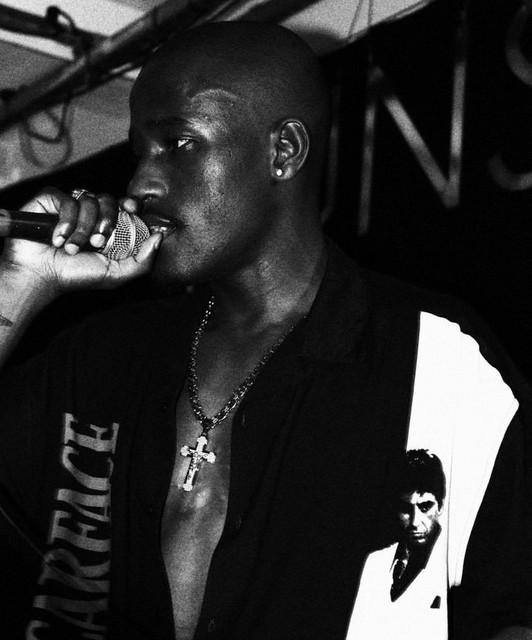
Aloe Fm’s Spotify BioAloe FM is one of the freshest artists coming up in the Baltimore R&B scene. The Maryland native and artist not only wants to make music outside of a bubble, but he wants his fans to enjoy the creative process just as much as he does. Inspired by the sounds of his hometown, such as the repetitive and melodic structure of Baltimore club music, Aloe FM has already left his unique characteristics on the east-coast alternative R&B world.
Aloe FM often takes a DIY approach to his music, a methodology pioneered by his internet age influences such as the Odd Future crew and Isaiah Rashad; constructing music with a sample-based approach, a majority of Aloe’s music is recorded in his room with nothing but a standard microphone, pop filter and persistence. Although Aloe’s recording methods are based on simplicity, his music and creative process are not. The assorted elements in Aloe’s music give off the impression that he must be dedicated to creating music from a limitless pool of influence and… soundscapes.
Since 2021 Aloe’s music output has been publicly available online and has quickly spread across a variety of social media circles. Beginning with his debut EP SHARING MUSIC IS A LOVE LANGUAGE, Aloe showcased his signature tones and creativity from the get-go. His latest project, the 2022 mixtape BIPSET further solidifies the smooth and crisp textures of his music while exploring new ideas and perspectives.
Viberate is a music analytics platform built for A&Rs, artist managers, labels, booking agents, marketers, and artists.
It helps music professionals track artist growth, analyze audience data, monitor playlist activity, compare artists, follow song performance, and identify opportunities across the music market.
Public artist pages provide a free preview of selected artist data. Paid plans provide access to deeper analytics, historical data, charts, comparisons, playlist tools, exports, alerts, reports, and additional professional features.
Yes. Public Viberate artist pages provide selected artist analytics and music data for free.
Viberate also offers a 7-day free trial of the full platform. A credit card is required to start the trial. The trial includes access to the complete product so users can test deeper artist analytics, historical views, playlist insights, comparisons, charts, exports, alerts, and reporting features before choosing a paid plan.
Viberate provides artist analytics across streaming, playlists, social media, video, radio airplay, songs, and audience markets.
Users can analyze Spotify performance, Spotify and Apple Music playlists, YouTube activity, TikTok and Instagram growth, radio spins, song performance, audience locations, demographics, rankings, and overall artist momentum.
Artist profiles also connect to music charts, similar artists, and comparison tools, helping users benchmark performance and evaluate artists in context.
Viberate updates key artist and track data daily.
For followed artists and tracks, selected data is refreshed multiple times per day. This helps teams monitor playlist changes, streaming movement, audience growth, releases, and campaign performance with more current data.
Update frequency can vary depending on the metric and data source.
Yes. Viberate lets users compare up to five artists side by side across streaming, social media, audience, and engagement metrics.
Users can compare fanbase growth, audience demographics, locations, Spotify performance, social metrics, and other artist data over selected time periods.
Artist comparison can be used for A&R scouting, benchmarking, booking decisions, campaign planning, and evaluating artists with similar audiences or market positions.