Allstar Weekend

Pop
Mainstream Pop
Pop Punk
 Viberate Rank: 63989
 Viberate Rank: 63989
 Monthly ListenersFollowers
 Subscribers
 Followers
 Followers
 FansTop Spotify Songs
| Track | 7-Day Streams | |
|---|---|---|
1 | 13.82K | |
2 | 9.69K | |
3 | 6.75K | |
4 | 5.25K | |
5 | 4.93K |
Top YouTube VideosMonthly ListenersFeatured in Playlists| Playlist | Followers | |
|---|---|---|
1 | Punk Goes Pop Greatest Hits rylandee | 134.13K |
2 | Punkers go poppers Velxies | 101.72K |
3 |  Childhood Classics Tambo | 81.87K |
4 |  Disney OST Marcela Soares | 71.49K |
5 | plastplugg | 65.72K |
Audience| City | Monthly Listeners | |
|---|---|---|
1 | | 1.86K |
2 |  | 1.64K |
3 | | 1.54K |
4 | | 1.27K |
5 | | 1.22K |
See full performance history, audience data, playlist activity, rankings, comparisons, and more in Viberate music analytics. Start with a free trial, then continue with a paid plan.
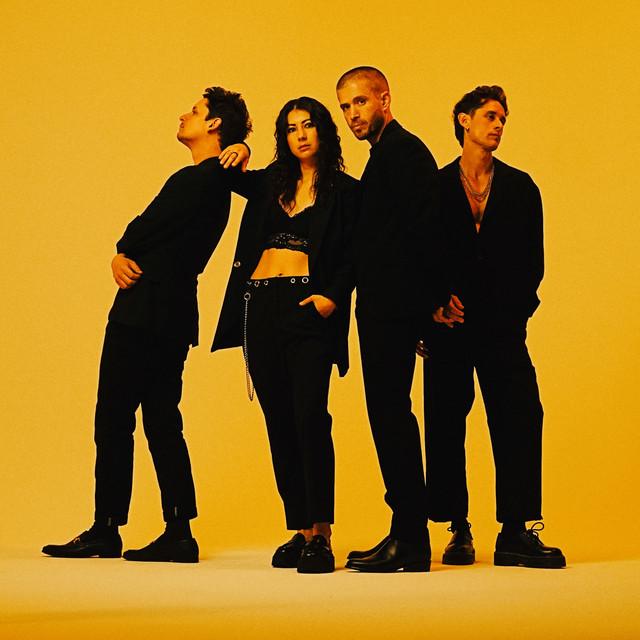
Allstar Weekend’s Spotify BioThe emo pop quartet Allstar Weekend was formed in 2007 by Zachary Porter (vocals), Nathan Darmody (guitar), Cameron Quiseng (bass), and Michael Martinez (drums) in San Diego, California, while all four members were still in high school. Inspired by hometown heroes like blink-182 and classic rock icons like Queen and Elton John, Allstar Weekend began writing songs and playing shows around town. While they were building their local fan base, the bandmembers also wrote and recorded songs for their MySpace page. These early tracks caught the ear of the duo behind Drive-Thru Records, Richard and Stefanie Reines, who became their managers. The next step was national attention, and Allstar Weekend got plenty when they were picked for Radio Disney’s Next Big Thing promotion in 2008, which resulted in a contract with Hollywood Records.
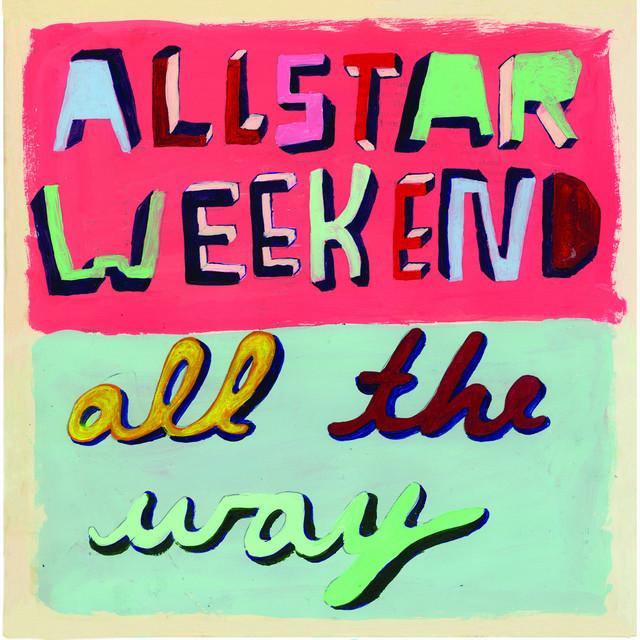
The first single released by the band, “A Different Side of Me,” reached the top of Radio Disney’s Top 30 Countdown and sold over 100,000 copies. Meanwhile,… Allstar Weekend's YouTube videos (for the aforementioned single and “Journey to the End of My Life”) racked up an impressive amount of viewings, and their debut mini-album, Suddenly, was released in June 2010. Produced by a set of proven emo pop producers (Howard Benson, John Feldmann, and S*A*M & Sluggo), the record showcased the band’s youthful exuberance and knack for a catchy chorus. The group spent the rest of the year on the road playing a mix of venues that included Army bases, children’s museums, theme parks, and concert halls. In the summer of 2011, Nathan Darmody dropped out of the band for their tour with Selena Gomez due to personal issues. The band hired Eric Nicolau to fill in on guitar on that tour, and subsequent shows, before announcing Darmody's departure from the group in September. Later in the month, the band returned with their second album All the Way, featuring the singles "Not Your Birthday" and "Blame It on September." ~ Tim Sendra
Viberate is a music analytics platform built for A&Rs, artist managers, labels, booking agents, marketers, and artists.
It helps music professionals track artist growth, analyze audience data, monitor playlist activity, compare artists, follow song performance, and identify opportunities across the music market.
Public artist pages provide a free preview of selected artist data. Paid plans provide access to deeper analytics, historical data, charts, comparisons, playlist tools, exports, alerts, reports, and additional professional features.
Yes. Public Viberate artist pages provide selected artist analytics and music data for free.
Viberate also offers a 7-day free trial of the full platform. A credit card is required to start the trial. The trial includes access to the complete product so users can test deeper artist analytics, historical views, playlist insights, comparisons, charts, exports, alerts, and reporting features before choosing a paid plan.
Viberate provides artist analytics across streaming, playlists, social media, video, radio airplay, songs, and audience markets.
Users can analyze Spotify performance, Spotify and Apple Music playlists, YouTube activity, TikTok and Instagram growth, radio spins, song performance, audience locations, demographics, rankings, and overall artist momentum.
Artist profiles also connect to music charts, similar artists, and comparison tools, helping users benchmark performance and evaluate artists in context.
Viberate updates key artist and track data daily.
For followed artists and tracks, selected data is refreshed multiple times per day. This helps teams monitor playlist changes, streaming movement, audience growth, releases, and campaign performance with more current data.
Update frequency can vary depending on the metric and data source.
Yes. Viberate lets users compare up to five artists side by side across streaming, social media, audience, and engagement metrics.
Users can compare fanbase growth, audience demographics, locations, Spotify performance, social metrics, and other artist data over selected time periods.
Artist comparison can be used for A&R scouting, benchmarking, booking decisions, campaign planning, and evaluating artists with similar audiences or market positions.