Allister

Punk
Punk Rock
Pop Punk
 Viberate Rank: 124316
 Viberate Rank: 124316
 Monthly ListenersFollowers
 Subscribers
 Followers
 Followers
 FansTop Spotify Songs
| Track | 7-Day Streams | |
|---|---|---|
1 | 46.98K | |
2 | 7.88K | |
3 | 4.86K | |
4 | 2.88K | |
5 | 2.63K |
Top YouTube VideosMonthly ListenersFeatured in Playlists| Playlist | Followers | |
|---|---|---|
1 |  2000s Pop Punk Hits coleyevich | 767.75K |
2 | Emo hits of 2000s Mike Buckner | 98.99K |
3 | 90's/00's Alternative Rock dolphinsfan49 | 44.63K |
4 |  PHASE - 2000s emo throwbacks Jesea Lee | 39.77K |
5 | Pop Punk & Alt. Metal alwaysdestroy | 36.06K |
Audience| City | Monthly Listeners | |
|---|---|---|
1 | | 1.98K |
2 |  | 1.61K |
3 |  | 1.36K |
4 | | 1.33K |
5 | | 1.31K |
See full performance history, audience data, playlist activity, rankings, comparisons, and more in Viberate music analytics. Start with a free trial, then continue with a paid plan.
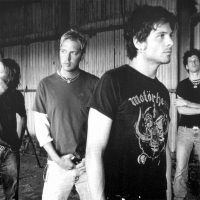
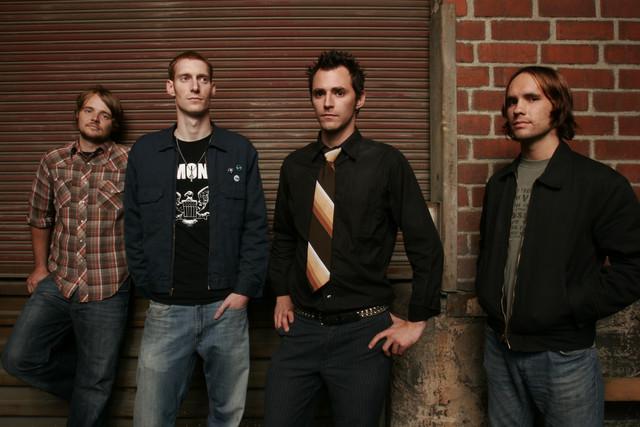
Allister’s Spotify BioChicago punk-pop combo Allister was formed in 1995 by vocalist/drummer Tim Rogner and guitarist Johnny Hamada, longtime classmates who first teamed in a cover band organized to play their school talent show. The duo expanded to a trio the following year after Hamada met bassist Eric "Skippy" Mueller at the University of Illinois, and in early 1997 the group played their first live date under their original name, Phineas Gage. They eventually rechristened themselves Allister after a character on the children's program You Can't Do That on Television; accordingly, the band's 1998 Drive-Thru label debut 7" was entitled You Can't Do That on Vinyl. In mid-1998, Mueller assumed second guitar duties following the addition of bassist Scott Murphy. The full-length Dead Ends and Girlfriends followed a year later from Drive-Thru, recorded for a mere $700. Allister's catchy songs and jokester attitude (album cover song choices included the Fraggle Rock theme song) helped build the guys a pretty… respectable following. Hamada and Mueller later made their exits, so Rogner not only moved over to guitar, but also added in his brother Chris to fill the vacancies. New drummer Dave Rossi further jumped into the Allister fray. Last Stop Suburbia arrived in 2002, and the album was supported on shows with acts like Less Than Jake, the Starting Line, and Sum 41. The record went on to sell over 80,000 copies. Lineup changes followed post-Suburbia; ex-Showoff guitarist Kyle Lewis joined in place of a departed Chris, and Mike Leverence stepped up to the drumkit. Writing for Allister's next album began in 2003, but was drawn-out due to the band's constant touring. The quartet eventually returned in the fall of 2005 with their third Drive-Thru full-length, the slightly darker Before the Blackout. Following more rounds of touring, including a fall 2006 trip to Japan, Allister announced in March 2007 that they would be going on an indefinite hiatus, so Rogner could be home with his growing family. Lewis and Murphy went on to form the Get Go. ~ Jason Ankeny, Rovi
Viberate is a music analytics platform built for A&Rs, artist managers, labels, booking agents, marketers, and artists.
It helps music professionals track artist growth, analyze audience data, monitor playlist activity, compare artists, follow song performance, and identify opportunities across the music market.
Public artist pages provide a free preview of selected artist data. Paid plans provide access to deeper analytics, historical data, charts, comparisons, playlist tools, exports, alerts, reports, and additional professional features.
Yes. Public Viberate artist pages provide selected artist analytics and music data for free.
Viberate also offers a 7-day free trial of the full platform. A credit card is required to start the trial. The trial includes access to the complete product so users can test deeper artist analytics, historical views, playlist insights, comparisons, charts, exports, alerts, and reporting features before choosing a paid plan.
Viberate provides artist analytics across streaming, playlists, social media, video, radio airplay, songs, and audience markets.
Users can analyze Spotify performance, Spotify and Apple Music playlists, YouTube activity, TikTok and Instagram growth, radio spins, song performance, audience locations, demographics, rankings, and overall artist momentum.
Artist profiles also connect to music charts, similar artists, and comparison tools, helping users benchmark performance and evaluate artists in context.
Viberate updates key artist and track data daily.
For followed artists and tracks, selected data is refreshed multiple times per day. This helps teams monitor playlist changes, streaming movement, audience growth, releases, and campaign performance with more current data.
Update frequency can vary depending on the metric and data source.
Yes. Viberate lets users compare up to five artists side by side across streaming, social media, audience, and engagement metrics.
Users can compare fanbase growth, audience demographics, locations, Spotify performance, social metrics, and other artist data over selected time periods.
Artist comparison can be used for A&R scouting, benchmarking, booking decisions, campaign planning, and evaluating artists with similar audiences or market positions.