Allen Van Wert

Rock
Indie Rock
Pop Rock
 Viberate Rank: 270016
 Viberate Rank: 270016
 Monthly ListenersFollowers
 Subscribers
 Followers
 Followers
 FansTop Spotify Songs
| Track | 7-Day Streams | |
|---|---|---|
1 | 8 | |
2 | 6 |
Top YouTube VideosMonthly ListenersFeatured in Playlists| Playlist | Followers | |
|---|---|---|
1 | r/bass benjaminmikiten | 2.39K |
2 | chillmusic Jim Daily | 1.64K |
3 | Subs Favs<3 Madison Westbrooke | 1.07K |
4 | ~ Playlist ~ Ivan S | 1.04K |
5 | Octoberdisco asjoman | 1.03K |
Audience| City | Monthly Listeners | |
|---|---|---|
1 | | 3 |
See full performance history, audience data, playlist activity, rankings, comparisons, and more in Viberate music analytics. Start with a free trial, then continue with a paid plan.
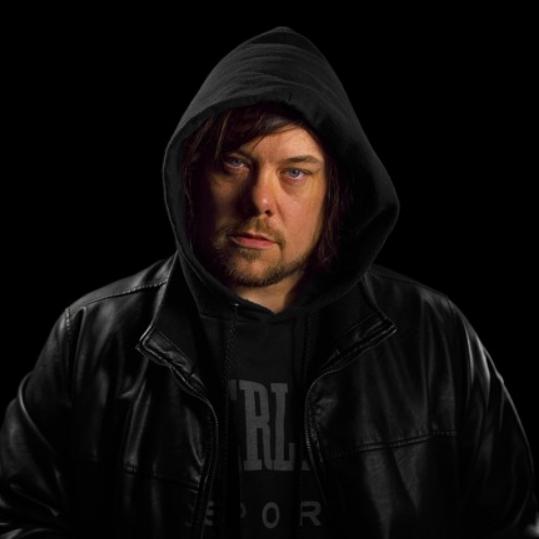
Allen Van Wert’s Spotify BioAllen has worked with Steve Stevens of Billy Idol, Dave Ellefson of Megadeth, Travis Miguel of Atreyu and Trapt, Nick Catanese of Black Label Society, Steve Smyth of bands Dragonlord, Nevermore, Forbidden and Testament, Jonathan "Bug" Price of Breaking Benjamin, Fred Mascherino of Taking Back Sunday, Jesper Kyd (composer of many huge title video game soundtracks), Tiago Della Vega (shred guitarist), Shane Gibson of the band Korn, and Justin Lassen (Composer, sound designer, and remixer for Linkin Park, Madonna, and many others).
He has also played guitar on albums with members of Motley Crue, Alice Cooper, KISS, Poison, Dio, Black Sabbath, Night Ranger, Ratt, Skid Row, Deep Purple, Yngwie Malmsteen, Trans-Siberian Orchestra, Whitesnake, Black Sabbath, Quiet Riot, LA Guns, Symphony X, Spastic Ink, Lynch Mob, The Cult, Steppenwolf, Cinderella, David Coverdale Band and Warrant.
Playing a homemade guitar his father built, Allen was self-taught and earned a scholarship to Berklee College Of… Music in Boston but couldn't attend due to being poor, and would later go on to pursue a sound all his own.
On Stage:
As a performing artist he has shared the stage with:
Jonathan "Bug" Price – bass guitar (2001) of Breaking Benjamin.
Fred Mascherino vocal/guitar of Taking Back Sunday
Nick Douglas and Johnny Dee of Doro
Tyler Grady (American Idol Season 9)
Viberate is a music analytics platform built for A&Rs, artist managers, labels, booking agents, marketers, and artists.
It helps music professionals track artist growth, analyze audience data, monitor playlist activity, compare artists, follow song performance, and identify opportunities across the music market.
Public artist pages provide a free preview of selected artist data. Paid plans provide access to deeper analytics, historical data, charts, comparisons, playlist tools, exports, alerts, reports, and additional professional features.
Yes. Public Viberate artist pages provide selected artist analytics and music data for free.
Viberate also offers a 7-day free trial of the full platform. A credit card is required to start the trial. The trial includes access to the complete product so users can test deeper artist analytics, historical views, playlist insights, comparisons, charts, exports, alerts, and reporting features before choosing a paid plan.
Viberate provides artist analytics across streaming, playlists, social media, video, radio airplay, songs, and audience markets.
Users can analyze Spotify performance, Spotify and Apple Music playlists, YouTube activity, TikTok and Instagram growth, radio spins, song performance, audience locations, demographics, rankings, and overall artist momentum.
Artist profiles also connect to music charts, similar artists, and comparison tools, helping users benchmark performance and evaluate artists in context.
Viberate updates key artist and track data daily.
For followed artists and tracks, selected data is refreshed multiple times per day. This helps teams monitor playlist changes, streaming movement, audience growth, releases, and campaign performance with more current data.
Update frequency can vary depending on the metric and data source.
Yes. Viberate lets users compare up to five artists side by side across streaming, social media, audience, and engagement metrics.
Users can compare fanbase growth, audience demographics, locations, Spotify performance, social metrics, and other artist data over selected time periods.
Artist comparison can be used for A&R scouting, benchmarking, booking decisions, campaign planning, and evaluating artists with similar audiences or market positions.