All Else Fails

Metal
Metalcore/Deathcore
Heavy Metal
 Viberate Rank: 407302
 Viberate Rank: 407302
 Monthly ListenersFollowers
 Subscribers
 Followers
 Followers
 FansTop Spotify Songs
| Track | 7-Day Streams | |
|---|---|---|
1 | 11 | |
2 | 11 | |
3 | 9 | |
4 | 9 | |
5 | 8 |
Top YouTube VideosMonthly ListenersFeatured in Playlists| Playlist | Followers | |
|---|---|---|
1 |  The Circle Pit (OFFICIAL) The Circle Pit | 1.11K |
2 |  New Metal Covers 2026 arhivamea | 1.09K |
Audience| City | Monthly Listeners | |
|---|---|---|
1 | | 13 |
2 | | 8 |
3 | | 3 |
See full performance history, audience data, playlist activity, rankings, comparisons, and more in Viberate music analytics. Start with a free trial, then continue with a paid plan.
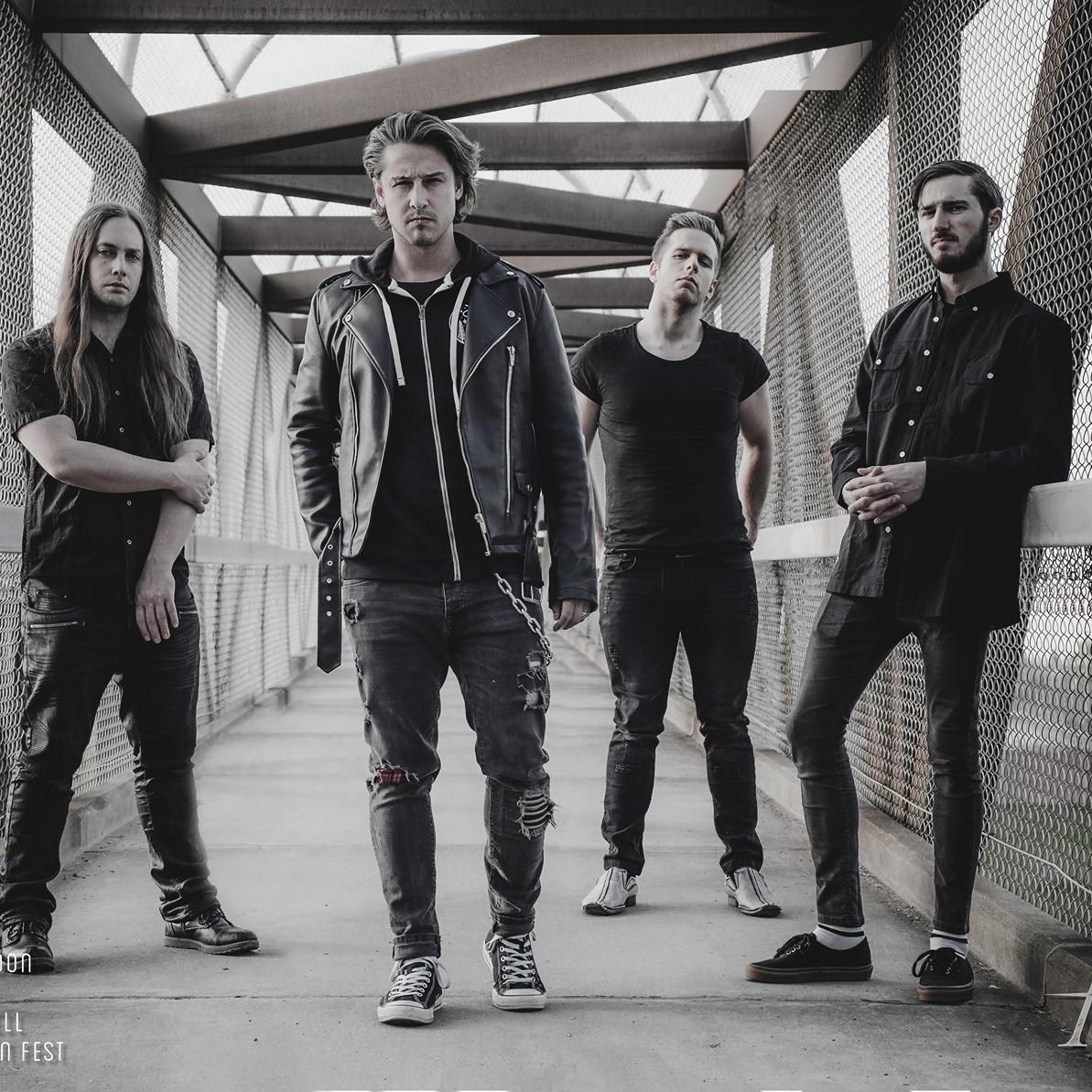
All Else Fails’ Spotify BioIn the frozen heart of Edmonton, Alberta, All Else Fails has stood as a beacon of progressive metal excellence for over a decade and a half, illuminating the Canadian music scene with their artistry. This award-winning ensemble has solidified its position as a fundamental pillar of the metal community, blending ferocious riffs, complex rhythms, and savage screams with hauntingly melodic vocal lines.
The year 2023 was a landmark period for the band, with the release of "The Incident at Black Lake." This album, deeply personal and brutally honest, explored the complex mental landscapes of vocalist and founder Barrett Klesko, with the support of guitarist John Saturley, bassist and vocalist Coco Lee, and drummer Nelson Collins-Lee. Produced by Bevin Booth of In the Booth Recordings and engineered at The Electric Treehouse, "The Incident at Black Lake" received critical acclaim for its introspective depth and musical innovation.
Critics have lauded their work as "a relentless force in the… metal scene," praising them for delivering "a masterclass in the fusion of melody and brutality." As one reviewer aptly noted, "All Else Fails doesn't just play metal; they elevate its very essence to new heights."
“The Incident at Black Lake might be “just” a four-track EP by All Else Fails, but its 25 minutes of music are absolutely intense and electrifying, proving why they’re undoubtedly one of the most important names of the Canadian Metalcore scene.” – The Headbanging Moose
Viberate is a music analytics platform built for A&Rs, artist managers, labels, booking agents, marketers, and artists.
It helps music professionals track artist growth, analyze audience data, monitor playlist activity, compare artists, follow song performance, and identify opportunities across the music market.
Public artist pages provide a free preview of selected artist data. Paid plans provide access to deeper analytics, historical data, charts, comparisons, playlist tools, exports, alerts, reports, and additional professional features.
Yes. Public Viberate artist pages provide selected artist analytics and music data for free.
Viberate also offers a 7-day free trial of the full platform. A credit card is required to start the trial. The trial includes access to the complete product so users can test deeper artist analytics, historical views, playlist insights, comparisons, charts, exports, alerts, and reporting features before choosing a paid plan.
Viberate provides artist analytics across streaming, playlists, social media, video, radio airplay, songs, and audience markets.
Users can analyze Spotify performance, Spotify and Apple Music playlists, YouTube activity, TikTok and Instagram growth, radio spins, song performance, audience locations, demographics, rankings, and overall artist momentum.
Artist profiles also connect to music charts, similar artists, and comparison tools, helping users benchmark performance and evaluate artists in context.
Viberate updates key artist and track data daily.
For followed artists and tracks, selected data is refreshed multiple times per day. This helps teams monitor playlist changes, streaming movement, audience growth, releases, and campaign performance with more current data.
Update frequency can vary depending on the metric and data source.
Yes. Viberate lets users compare up to five artists side by side across streaming, social media, audience, and engagement metrics.
Users can compare fanbase growth, audience demographics, locations, Spotify performance, social metrics, and other artist data over selected time periods.
Artist comparison can be used for A&R scouting, benchmarking, booking decisions, campaign planning, and evaluating artists with similar audiences or market positions.