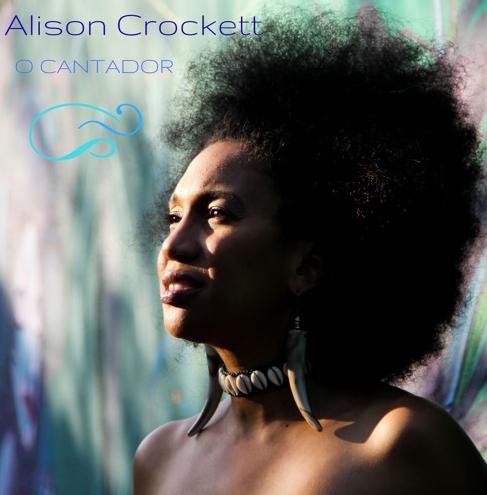
Alison Crockett

R&B
Contemporary R&B
Neo Soul
 Viberate Rank: 134174
 Viberate Rank: 134174
 Monthly ListenersFollowers
 Subscribers
 Followers
 Followers
 FansTop Spotify Songs
| Track | 7-Day Streams | |
|---|---|---|
1 | 5.36K | |
2 | 2.63K | |
3 | 1.07K | |
4 | 378 | |
5 | 250 |
Top YouTube VideosMonthly ListenersFeatured in Playlists| Playlist | Followers | |
|---|---|---|
1 |  Deep Afro House 🍹 Bantu Biko | 25.72K |
2 | Old South African House MUSIC🔥😭🙌🇿🇦 Gordon Bandile Maphosa | 17.95K |
3 | Budha Bar - Chill Rawiya Sharif | 16.54K |
4 | House mix Nsizwa | 14.67K |
5 | Old School Deep House Zandile Manjezi | 13.59K |
Audience| City | Monthly Listeners | |
|---|---|---|
1 |  | 11.61K |
2 | | 5.31K |
3 | | 3.03K |
4 | | 1.88K |
5 | | 359 |
See full performance history, audience data, playlist activity, rankings, comparisons, and more in Viberate music analytics. Start with a free trial, then continue with a paid plan.
Alison Crockett’s Spotify BioAn R&B singer and songwriter with deep gospel and jazz roots, Alison Crockett won high school talent competitions and attended Temple University and the Manhattan School of Music. After she earned a Master's degree from MSM, she returned to Philadelphia, linked with King Britt, and became part of the producer's Sylk 130 project. Crockett fronted three of the songs on the group's 1998 album When the Funk Hits the Fan, including ballad highlight "Season's Change." Crockett went on to work with Greg Osby, and subsequently fronted Us3, as heard on 2001's An Ordinary Day in an Unusual Place. The same year, as Diva Blue, she released her first solo work, an EP titled Azure. Although she continued to be featured on releases from artists who sought her out, she settled into a solo career during the 2000s with the albums On Becoming a Woman (2003) and Bare (2007). Released the following decade, Mommy, What's a Depression? (2012) was her frankest, most expansive release to that point. ~ Andy… Kellman, Rovi
Viberate is a music analytics platform built for A&Rs, artist managers, labels, booking agents, marketers, and artists.
It helps music professionals track artist growth, analyze audience data, monitor playlist activity, compare artists, follow song performance, and identify opportunities across the music market.
Public artist pages provide a free preview of selected artist data. Paid plans provide access to deeper analytics, historical data, charts, comparisons, playlist tools, exports, alerts, reports, and additional professional features.
Yes. Public Viberate artist pages provide selected artist analytics and music data for free.
Viberate also offers a 7-day free trial of the full platform. A credit card is required to start the trial. The trial includes access to the complete product so users can test deeper artist analytics, historical views, playlist insights, comparisons, charts, exports, alerts, and reporting features before choosing a paid plan.
Viberate provides artist analytics across streaming, playlists, social media, video, radio airplay, songs, and audience markets.
Users can analyze Spotify performance, Spotify and Apple Music playlists, YouTube activity, TikTok and Instagram growth, radio spins, song performance, audience locations, demographics, rankings, and overall artist momentum.
Artist profiles also connect to music charts, similar artists, and comparison tools, helping users benchmark performance and evaluate artists in context.
Viberate updates key artist and track data daily.
For followed artists and tracks, selected data is refreshed multiple times per day. This helps teams monitor playlist changes, streaming movement, audience growth, releases, and campaign performance with more current data.
Update frequency can vary depending on the metric and data source.
Yes. Viberate lets users compare up to five artists side by side across streaming, social media, audience, and engagement metrics.
Users can compare fanbase growth, audience demographics, locations, Spotify performance, social metrics, and other artist data over selected time periods.
Artist comparison can be used for A&R scouting, benchmarking, booking decisions, campaign planning, and evaluating artists with similar audiences or market positions.