Alisha's Attic

Pop
Mainstream Pop
 Viberate Rank: 137785
 Viberate Rank: 137785
 Monthly ListenersFollowers
 Subscribers
 Followers
 Followers
 FansTop Spotify Songs
| Track | 7-Day Streams | |
|---|---|---|
1 | 11.75K | |
2 | 1.84K | |
3 | 1.53K | |
4 | 1.09K | |
5 | 1.02K |
Top YouTube VideosMonthly ListenersFeatured in Playlists| Playlist | Followers | |
|---|---|---|
1 |  Girl Power Spotify | 79.53K |
2 |  ✨💗 90s & 00s girls and girl groups 💗✨ Miranda | 68.63K |
3 |  Now 1 - 114 (1983 - 2023) Now That's What I Call Music 1 - 114 abundantmusic | 56.69K |
4 |  90s Hits DJ Master Mac | 51.35K |
5 | 90s sam85uk | 27.68K |
Audience| City | Monthly Listeners | |
|---|---|---|
1 | | 3.31K |
2 | | 1.90K |
3 |  | 1.25K |
4 | | 1.25K |
5 | | 1.20K |
See full performance history, audience data, playlist activity, rankings, comparisons, and more in Viberate music analytics. Start with a free trial, then continue with a paid plan.
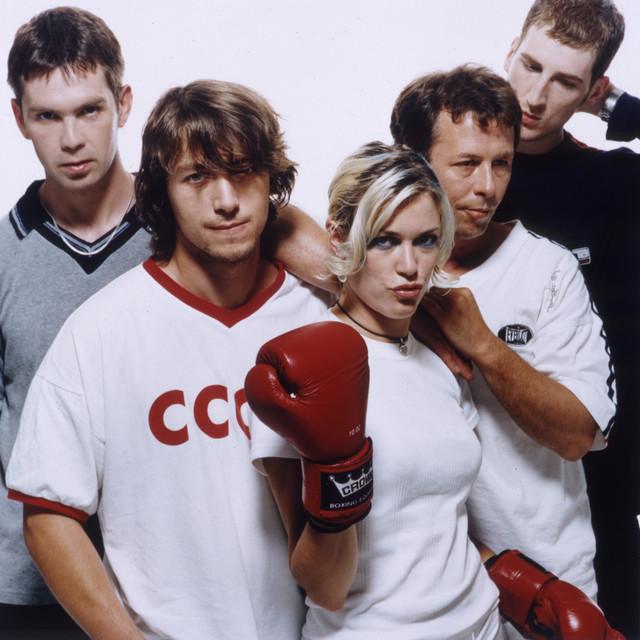
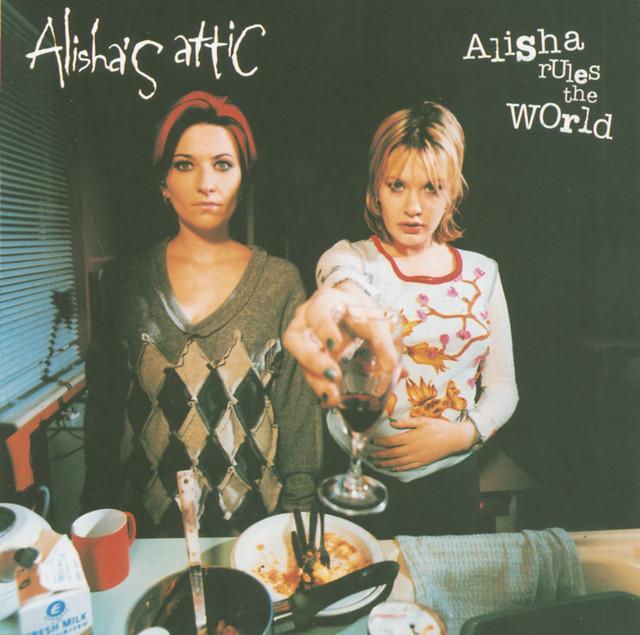
Alisha's Attic’s Spotify BioSisters Karen and Shellie Poole grew up in England's Essex County loving music. With aspirations to join the world of pop, the sisters began writing quirky, playful music and dubbed themselves Alisha's Attic, a reference to a fictional character they had imagined that was one-part Karen, one-part Shellie. A homemade demo of their Prince-meets-Kate Bush music was sent to the Mercury label and soon their dreams were becoming reality. Sessions with various producers were abandoned, but the talented duo marched on, writing and programming the foundation of their debut on their own. Dave Stewart was brought in as producer and with the finishing touches finished, Alisha Rules the World debuted the band in 1996. Promotional tours, opening for INXS, a slot on the Lilith Fair tour in America, and the successful "I Am, I Feel" single brought the sisters 600,000 in sales in the U.K. and an instant loyal fan base in the U.S. Released in 1998, their sophomore effort, Illumina, was more mature and… supported by the faithful but failed to make much a dent in the charts minus the kickoff single, "The Incidentals," which reached a U.K. high of 13. The House We Built from 2001 saw the sisters getting deeper and more introspective with their writing. While it was a well-regarded release with critics and fans, Alisha's Attic soon fell victim to a large purge of Mercury's roster. The sisters decided to dissolve the band and carry on with solo careers. Karen went on to be a songwriter, writing hits for Kylie Minogue, Sugarbabes, and the Shapeshifters. Shellie changed the spelling of her name to Shelly to mark change and carried on as a solo act. She married Ally McErlaine from the Scottish band Texas in 2001 and released the album Hard Time for the Dreamer in 2005. Also in 2005 was a brief, live reunion of Alisha's Attic when Karen joined Shelly for two songs during a gig in Shepherd's Bush Green. ~ David Jeffries, Rovi
Viberate is a music analytics platform built for A&Rs, artist managers, labels, booking agents, marketers, and artists.
It helps music professionals track artist growth, analyze audience data, monitor playlist activity, compare artists, follow song performance, and identify opportunities across the music market.
Public artist pages provide a free preview of selected artist data. Paid plans provide access to deeper analytics, historical data, charts, comparisons, playlist tools, exports, alerts, reports, and additional professional features.
Yes. Public Viberate artist pages provide selected artist analytics and music data for free.
Viberate also offers a 7-day free trial of the full platform. A credit card is required to start the trial. The trial includes access to the complete product so users can test deeper artist analytics, historical views, playlist insights, comparisons, charts, exports, alerts, and reporting features before choosing a paid plan.
Viberate provides artist analytics across streaming, playlists, social media, video, radio airplay, songs, and audience markets.
Users can analyze Spotify performance, Spotify and Apple Music playlists, YouTube activity, TikTok and Instagram growth, radio spins, song performance, audience locations, demographics, rankings, and overall artist momentum.
Artist profiles also connect to music charts, similar artists, and comparison tools, helping users benchmark performance and evaluate artists in context.
Viberate updates key artist and track data daily.
For followed artists and tracks, selected data is refreshed multiple times per day. This helps teams monitor playlist changes, streaming movement, audience growth, releases, and campaign performance with more current data.
Update frequency can vary depending on the metric and data source.
Yes. Viberate lets users compare up to five artists side by side across streaming, social media, audience, and engagement metrics.
Users can compare fanbase growth, audience demographics, locations, Spotify performance, social metrics, and other artist data over selected time periods.
Artist comparison can be used for A&R scouting, benchmarking, booking decisions, campaign planning, and evaluating artists with similar audiences or market positions.