Alfred Grünfeld

Classical
Orchestral
Chamber Music
 Viberate Rank: 675860
 Viberate Rank: 675860
 Monthly ListenersFollowers
 Subscribers
 Followers
 Followers
 FansTop Spotify Songs
| Track | 7-Day Streams | |
|---|---|---|
1 | 209 | |
2 | 75 | |
3 | 57 | |
4 | 46 | |
5 | 46 |
Top YouTube VideosMonthly ListenersFeatured in Playlists| Playlist | Followers | |
|---|---|---|
1 |  Piano Masters Deutsche Grammophon (DG) | 16.34K |
2 | VIOLIN & PIANO & CHELO Francisco Diaz-Ney | 11.72K |
3 |  🎹 Piano Tiles 2 Nox Lunar | 6.54K |
4 |  Classical Relaxation Deutsche Grammophon (DG) | 2.17K |
5 |  Silent Film Music synnöve_granat | 2.10K |
Audience| City | Monthly Listeners | |
|---|---|---|
1 |  | 54 |
2 |  | 46 |
3 |  | 36 |
4 |  | 28 |
5 |  | 27 |
See full performance history, audience data, playlist activity, rankings, comparisons, and more in Viberate music analytics. Start with a free trial, then continue with a paid plan.
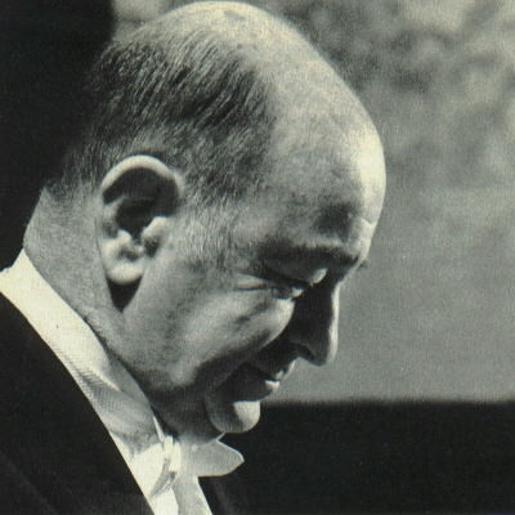
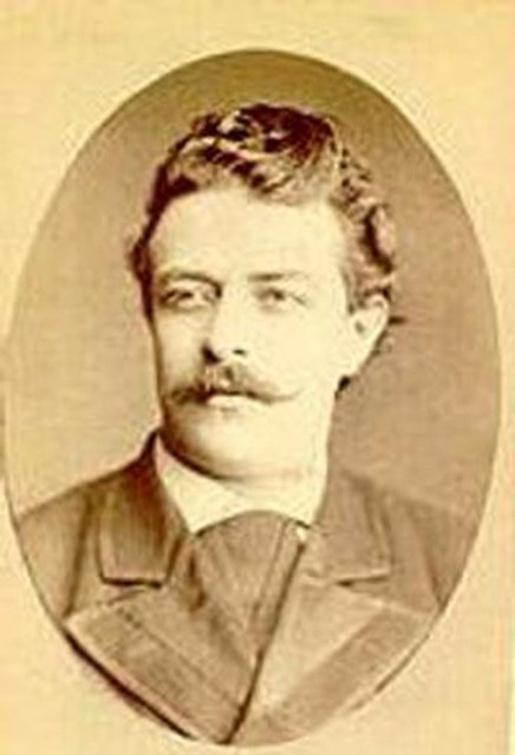
Alfred Grünfeld’s Spotify BioBorn the son of a Prague leather merchant, pianist and composer Alfred Grünfeld was regarded at the end of his life as one of Vienna's most celebrated musicians, having for years served as court keyboardist for the Austrian Imperial family.
Grünfeld was born in 1852; his parents guided both him and his cellist brother, Heinrich, toward lives as professional musicians from early childhood. In his teens, Grünfeld went to Berlin to study piano with the renowned Theodor Kullak. He moved to Vienna -- then Europe's unchallenged cultural pearl -- in 1873 and set about making a living teaching and performing. His cream-puff transcriptions of Johann Strauss' waltzes made him a favorite with the Viennese public, and he also included these works on his programs when touring abroad. As a composer, Alfred Grünfeld limited himself to piano showpieces, characteristic sketches and to operetta, the latter genre being represented by two items: Der Lebemann (1903) and Die Schönen (1907). Even by the… standards of his own time, Alfred Grünfeld's compositions were appropriate for their intended audience, but unremarkable beyond that.
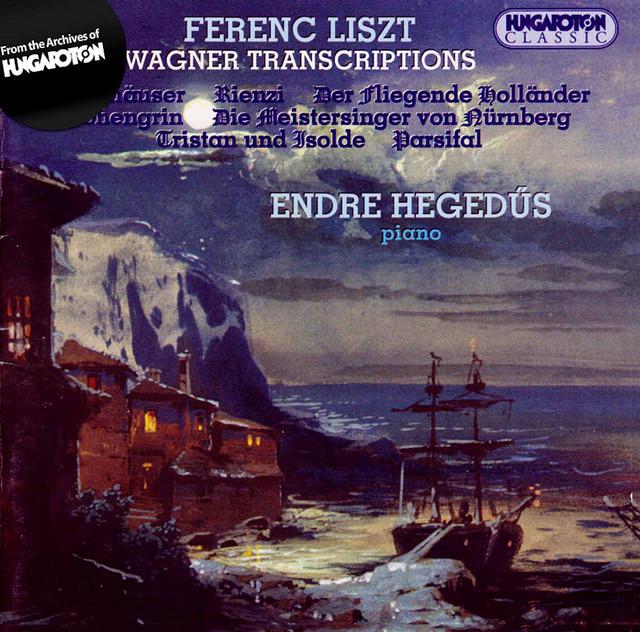
The same is not true in terms of Grünfeld's activity as a pioneer recording artist. Grünfeld was the first pianist of significance to leave behind a sizable legacy of recordings, both on early discs and on Welte piano rolls. Alfred Grünfeld's first recordings were made in 1899 for Emile Berliner's newly-formed Deutsche Grammophon Gesellschaft label, and by the time Grünfeld made his last records in 1914 he had made more than a hundred. Original copies of Grünfeld's records exchange hands at significant rates, and not all of the titles he is known to have made are believed extant. Grünfeld's recordings reveal that he was an outstanding pianist, and not nearly as stylistically old hat as his compositions might have suggested on their own.
Viberate is a music analytics platform built for A&Rs, artist managers, labels, booking agents, marketers, and artists.
It helps music professionals track artist growth, analyze audience data, monitor playlist activity, compare artists, follow song performance, and identify opportunities across the music market.
Public artist pages provide a free preview of selected artist data. Paid plans provide access to deeper analytics, historical data, charts, comparisons, playlist tools, exports, alerts, reports, and additional professional features.
Yes. Public Viberate artist pages provide selected artist analytics and music data for free.
Viberate also offers a 7-day free trial of the full platform. A credit card is required to start the trial. The trial includes access to the complete product so users can test deeper artist analytics, historical views, playlist insights, comparisons, charts, exports, alerts, and reporting features before choosing a paid plan.
Viberate provides artist analytics across streaming, playlists, social media, video, radio airplay, songs, and audience markets.
Users can analyze Spotify performance, Spotify and Apple Music playlists, YouTube activity, TikTok and Instagram growth, radio spins, song performance, audience locations, demographics, rankings, and overall artist momentum.
Artist profiles also connect to music charts, similar artists, and comparison tools, helping users benchmark performance and evaluate artists in context.
Viberate updates key artist and track data daily.
For followed artists and tracks, selected data is refreshed multiple times per day. This helps teams monitor playlist changes, streaming movement, audience growth, releases, and campaign performance with more current data.
Update frequency can vary depending on the metric and data source.
Yes. Viberate lets users compare up to five artists side by side across streaming, social media, audience, and engagement metrics.
Users can compare fanbase growth, audience demographics, locations, Spotify performance, social metrics, and other artist data over selected time periods.
Artist comparison can be used for A&R scouting, benchmarking, booking decisions, campaign planning, and evaluating artists with similar audiences or market positions.