Alexander Rudin

Classical
Orchestral
Chamber Music
 Viberate Rank: 219502
 Viberate Rank: 219502
 Monthly ListenersFollowers
 Subscribers
 Followers
 Followers
 FansTop Spotify Songs
| Track | 7-Day Streams | |
|---|---|---|
1 | 38.35K | |
2 | 1.42K | |
3 | 666 | |
4 | 559 | |
5 | 510 |
Top YouTube VideosMonthly ListenersFeatured in Playlists| Playlist | Followers | |
|---|---|---|
1 |  Easy Listening Classical For Study, Work, Relaxing, Chillout, Anything But Serious Listening Ulysses' Classical | 99.24K |
2 |  This Is Prokofiev Spotify | 51.39K |
3 | Classical & Symphony Orchestra Adriansyah Wijaya | 47.77K |
4 |  This Is Richard Strauss Spotify | 29.10K |
5 |  Melancholic Classical Music Isabella | 8.57K |
Audience| City | Monthly Listeners | |
|---|---|---|
1 |  | 380 |
2 |  | 263 |
3 |  | 246 |
4 |  | 193 |
5 |  | 185 |
See full performance history, audience data, playlist activity, rankings, comparisons, and more in Viberate music analytics. Start with a free trial, then continue with a paid plan.
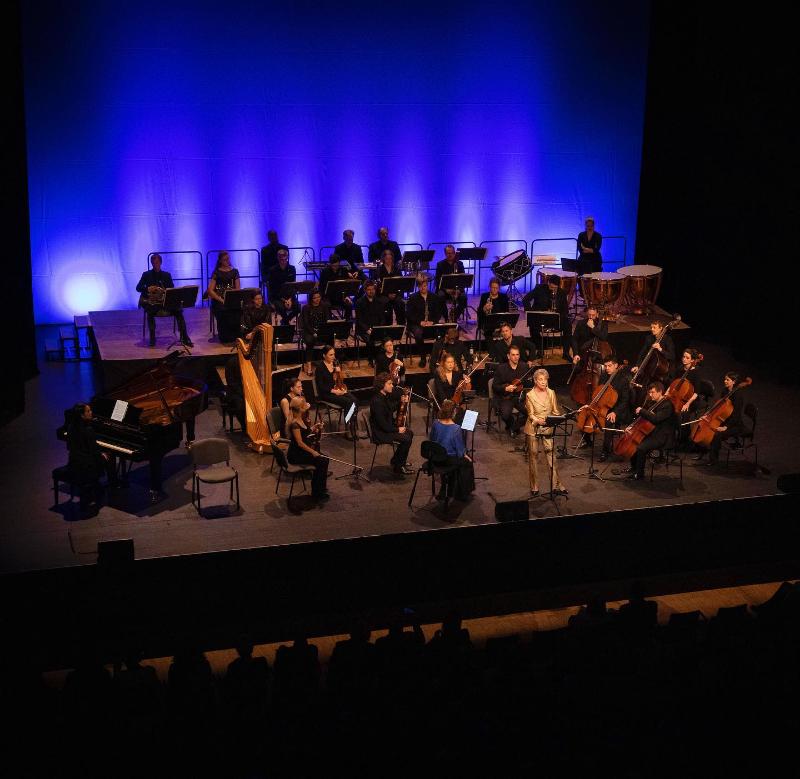
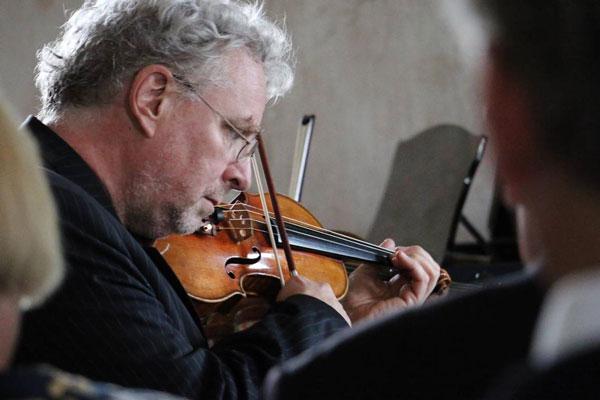
Alexander Rudin’s Spotify BioAlexander Rudin has been equally active as a cellist and conductor, performing music ranging from historically informed readings of Baroque music to the contemporary era. Rudin is the longtime music director of the Musica Viva Chamber Orchestra.
Alexander Israilevich Rudin was born in Moscow on November 25, 1960. He graduated from the city's Gnessin Institute (now the Gnessin State Musical College) in 1983, studying cello and piano. He went on to the Moscow Conservatory, studying conducting with Dmitri Kitayenko, but he continued to play the cello and won competitions, including the Concertino Praga Competition in Prague, the Bach Competition in Leipzig, and the Tchaikovsky Competition in Moscow. As a cello soloist, Rudin has appeared with such orchestras as the Royal Philharmonic, the Vienna Symphony, and the Danish Radio Symphony. He has premiered cello works by Dmitri Kabalevsky, Edison Denisov, and other 20th century and contemporary composers. An enthusiastic chamber player, Rudin… has collaborated with pianists Mikhail Pletnev, Eliso Virsaladze, and Nikolai Lugansky, among other artists. He has played the viola da gamba in historically informed performances of Baroque music, not a common specialty in Russia for much of his career.
Rudin became the music director of the Musica Viva Chamber Orchestra in 1988, even before completing his conducting degree, and he retains the position. He has conducted both that group and other orchestras, including the Moscow Philharmonic, on recordings. His discography as a cellist is also large, beginning as early as 1982 with a Vox recording of Haydn's cello concertos with the Lithuanian Chamber Orchestra. Rudin has also recorded for Naxos, Fuga Libera, Cello Classics, and other labels. In 2021, he performed Schubert's Arpeggione Sonata, D. 821, on the difficult original instrument with fortepianist Aapo Häkkinen on a Naxos release. Rudin has taught at the Moscow Conservatory and the Yasar University in Izmir, Turkey, and he is in demand for master classes in chamber music.
Viberate is a music analytics platform built for A&Rs, artist managers, labels, booking agents, marketers, and artists.
It helps music professionals track artist growth, analyze audience data, monitor playlist activity, compare artists, follow song performance, and identify opportunities across the music market.
Public artist pages provide a free preview of selected artist data. Paid plans provide access to deeper analytics, historical data, charts, comparisons, playlist tools, exports, alerts, reports, and additional professional features.
Yes. Public Viberate artist pages provide selected artist analytics and music data for free.
Viberate also offers a 7-day free trial of the full platform. A credit card is required to start the trial. The trial includes access to the complete product so users can test deeper artist analytics, historical views, playlist insights, comparisons, charts, exports, alerts, and reporting features before choosing a paid plan.
Viberate provides artist analytics across streaming, playlists, social media, video, radio airplay, songs, and audience markets.
Users can analyze Spotify performance, Spotify and Apple Music playlists, YouTube activity, TikTok and Instagram growth, radio spins, song performance, audience locations, demographics, rankings, and overall artist momentum.
Artist profiles also connect to music charts, similar artists, and comparison tools, helping users benchmark performance and evaluate artists in context.
Viberate updates key artist and track data daily.
For followed artists and tracks, selected data is refreshed multiple times per day. This helps teams monitor playlist changes, streaming movement, audience growth, releases, and campaign performance with more current data.
Update frequency can vary depending on the metric and data source.
Yes. Viberate lets users compare up to five artists side by side across streaming, social media, audience, and engagement metrics.
Users can compare fanbase growth, audience demographics, locations, Spotify performance, social metrics, and other artist data over selected time periods.
Artist comparison can be used for A&R scouting, benchmarking, booking decisions, campaign planning, and evaluating artists with similar audiences or market positions.