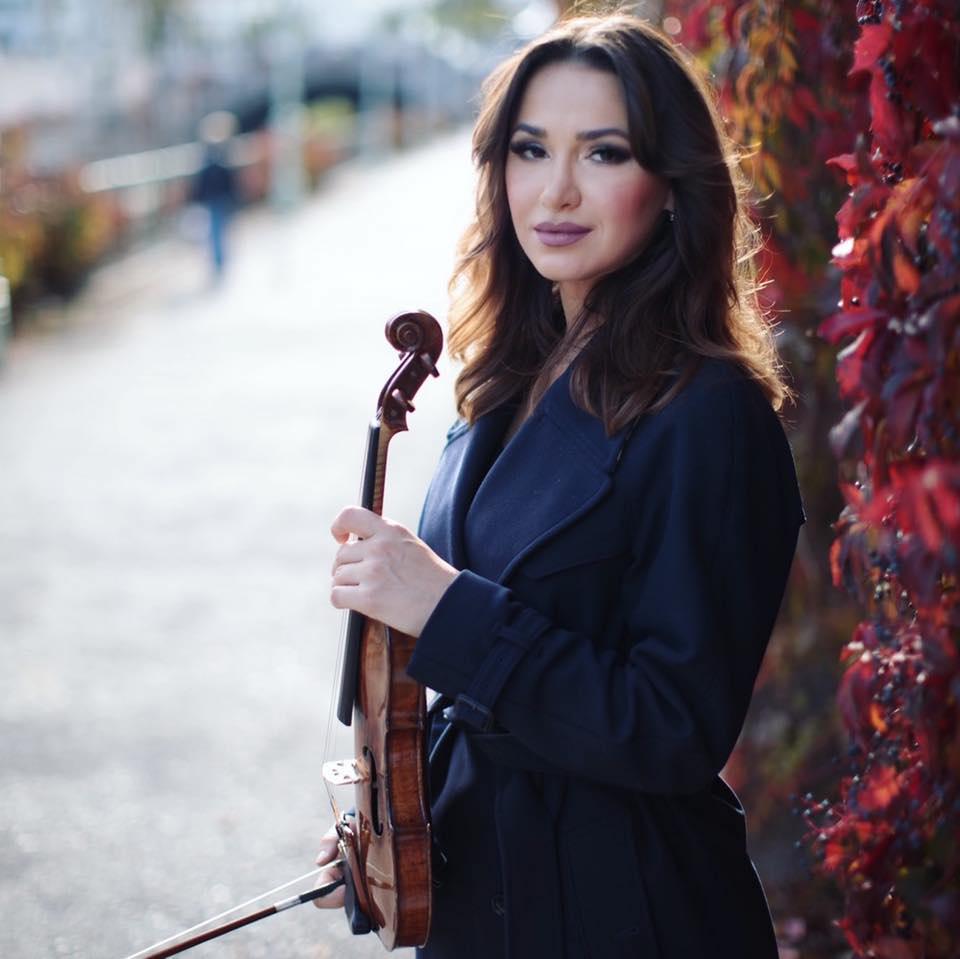
Alexander Gibson
Classical
Orchestral
Chamber Music
 Viberate Rank: 145735
 Viberate Rank: 145735
 Monthly ListenersFollowers
 Subscribers
 Followers
 Followers
 FansTop Spotify Songs
| Track | 7-Day Streams | |
|---|---|---|
1 | 16.18K | |
2 | 8.81K | |
3 | 5.18K | |
4 | 2.80K | |
5 | 2.68K |
Top YouTube VideosMonthly ListenersFeatured in Playlists| Playlist | Followers | |
|---|---|---|
1 |  This Is Paganini Spotify | 79.81K |
2 |  Hans Zimmer LIVE – The World of Hans Zimmer Filtr Classical | 73.75K |
3 |  Musique pour lire ou travailler 📖 (sans parole) Filtr France | 43.86K |
4 | Músicas Clássicas Famosas juliocarneiro | 21.31K |
5 | Top 100 klassieke muziek DennisBoots | 16.09K |
Audience| City | Monthly Listeners | |
|---|---|---|
1 |  | 1.63K |
2 |  | 1.36K |
3 |  | 1.21K |
4 | | 1.10K |
5 |  | 927 |
See full performance history, audience data, playlist activity, rankings, comparisons, and more in Viberate music analytics. Start with a free trial, then continue with a paid plan.
Alexander Gibson’s Spotify BioAlexander Gibson was a Scottish conductor known for his interpretations of late Romantic and British works. He was also an advocate for Scottish composers and new music and conducted countless premieres. He was born in 1926 to a non-musical family in Motherwell, Scotland. His musical talents were first discovered when he performed in a production of The Pirates of Penzance at the Dalziel High School, where he attended. Gibson also studied the piano and organ in school, and after he graduated, he became the organist at the Hillhead Congregational Church in Glasgow. In 1943, he enrolled at the University of Glasgow, where he majored in English and Music, but he was conscripted into the military after his first year of study. Gibson served as a pianist in the Royal Signals Band until 1948, when he received a scholarship to attend the Royal College of Music in London as a piano student. His professors initially didn't allow him to enroll in the conducting courses because they didn't think… that he knew enough music theory. However, he proved them wrong by forming and conducting his own orchestra and was admitted into the conducting courses. After finishing at the Royal College of Music, he began studying conducting at the Salzburg Mozarteum with Igor Markevitch in 1950. The following year, he started working as a rehearsal conductor at Sadler's Wells Opera, and in 1952, he signed a two-year contract as the assistant conductor of the BBC Scottish Orchestra, under Ian Whyte. This gave Gibson the opportunity to learn much of the standard orchestral repertoire. After his contract ended, he returned to Sadler's Wells Opera as a staff conductor and was offered the post of Musical Director later in 1957. At 31 years old, he was the youngest conductor ever to serve in this position. In 1959, he was appointed conductor of the Scottish National Orchestra, and he remained there for 25 years. He also founded the Scottish Opera in 1962 and became its artistic director and principal conductor. In this capacity, he commissioned several new works and conducted their premieres. Gibson also played a major role in introducing Janet Baker to the world of opera. He made his North American conducting debut in Detroit with the Detroit Symphony Orchestra in 1970 and became increasingly more active in the U.S. throughout the 1980s. In 1984, he left the Scottish National Orchestra, and he also left the Scottish Opera in 1985, but he continued conducting opera in Los Angeles, Kentucky, and Houston. Gibson became the president of the Royal Scottish Academy of Music and Drama in 1991, where he served until his death in 1995 after suffering a heart attack. ~ RJ Lambert, Rovi
Viberate is a music analytics platform built for A&Rs, artist managers, labels, booking agents, marketers, and artists.
It helps music professionals track artist growth, analyze audience data, monitor playlist activity, compare artists, follow song performance, and identify opportunities across the music market.
Public artist pages provide a free preview of selected artist data. Paid plans provide access to deeper analytics, historical data, charts, comparisons, playlist tools, exports, alerts, reports, and additional professional features.
Yes. Public Viberate artist pages provide selected artist analytics and music data for free.
Viberate also offers a 7-day free trial of the full platform. A credit card is required to start the trial. The trial includes access to the complete product so users can test deeper artist analytics, historical views, playlist insights, comparisons, charts, exports, alerts, and reporting features before choosing a paid plan.
Viberate provides artist analytics across streaming, playlists, social media, video, radio airplay, songs, and audience markets.
Users can analyze Spotify performance, Spotify and Apple Music playlists, YouTube activity, TikTok and Instagram growth, radio spins, song performance, audience locations, demographics, rankings, and overall artist momentum.
Artist profiles also connect to music charts, similar artists, and comparison tools, helping users benchmark performance and evaluate artists in context.
Viberate updates key artist and track data daily.
For followed artists and tracks, selected data is refreshed multiple times per day. This helps teams monitor playlist changes, streaming movement, audience growth, releases, and campaign performance with more current data.
Update frequency can vary depending on the metric and data source.
Yes. Viberate lets users compare up to five artists side by side across streaming, social media, audience, and engagement metrics.
Users can compare fanbase growth, audience demographics, locations, Spotify performance, social metrics, and other artist data over selected time periods.
Artist comparison can be used for A&R scouting, benchmarking, booking decisions, campaign planning, and evaluating artists with similar audiences or market positions.