Alexander Borodin

Classical
Orchestral
Chamber Music
 Viberate Rank: 68767
 Viberate Rank: 68767
 Monthly ListenersFollowers
 Subscribers
 Followers
 Followers
 FansTop Spotify Songs
| Track | 7-Day Streams | |
|---|---|---|
1 | 62.49K | |
2 | 31.66K | |
3 | 26.39K | |
4 | 25.23K | |
5 | 22.81K |
Top YouTube VideosMonthly ListenersFeatured in Playlists| Playlist | Followers | |
|---|---|---|
1 |  Classical Essentials Spotify | 3.82M |
2 |  Classical Bangers 🎹🎻 Classical Bangers | 1.25M |
3 |  Classical Focus Spotify | 620.97K |
4 |  royalcore Spotify | 550.49K |
5 |  Morning Classical Spotify | 460.14K |
Audience| City | Monthly Listeners | |
|---|---|---|
1 |  | 7.98K |
2 |  | 6.83K |
3 |  | 5.58K |
4 |  | 5.13K |
5 |  | 4.36K |
See full performance history, audience data, playlist activity, rankings, comparisons, and more in Viberate music analytics. Start with a free trial, then continue with a paid plan.
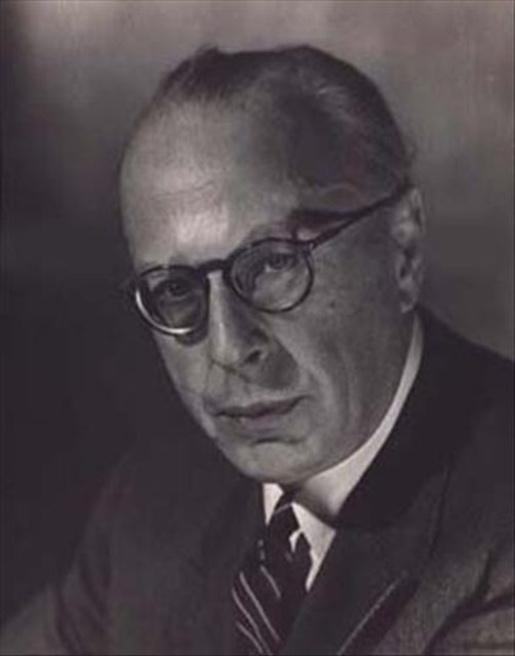
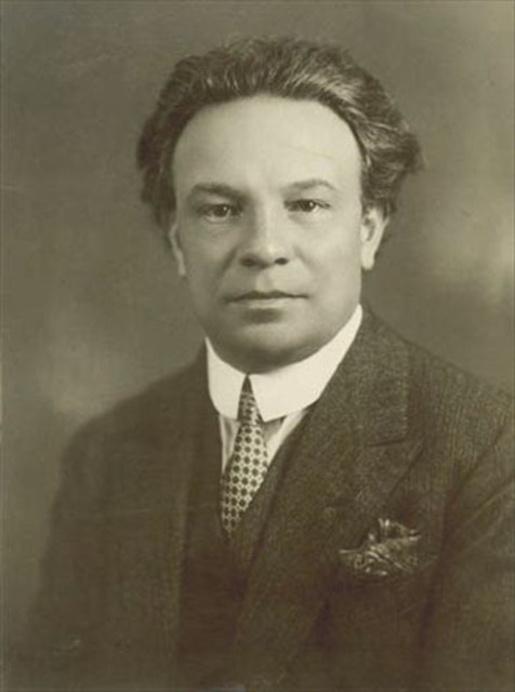
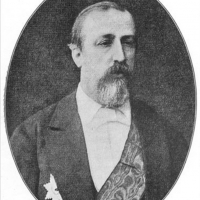
Alexander Borodin’s Spotify BioThough far from prolific as a composer -- by day he was a scientist noted for his research on aldehydes -- Alexander Borodin nevertheless earned a secure place in the history of Russian music. As a creative spirit, he was the most accomplished of the Russian nationalist composers. He had a particular gift for the distinctive stripe of exoticism so evident in his most frequently performed work, the "Polovtsian Dances" from the opera Prince Igor.
The illegitimate son of a Georgian prince and a doctor's wife, Borodin enjoyed a comfortable upbringing. As a child he learned to play several instruments and tried his hand at composing, but other aptitudes directed his formal education. He studied chemistry at St. Petersburg's Medico-Surgical Academy, obtaining his doctorate in 1858 and pursuing further studies in Europe until 1862. Upon his return to Russia, he became a professor at his alma mater, but even as an academic career apparently loomed before him, he maintained a devotion to music.
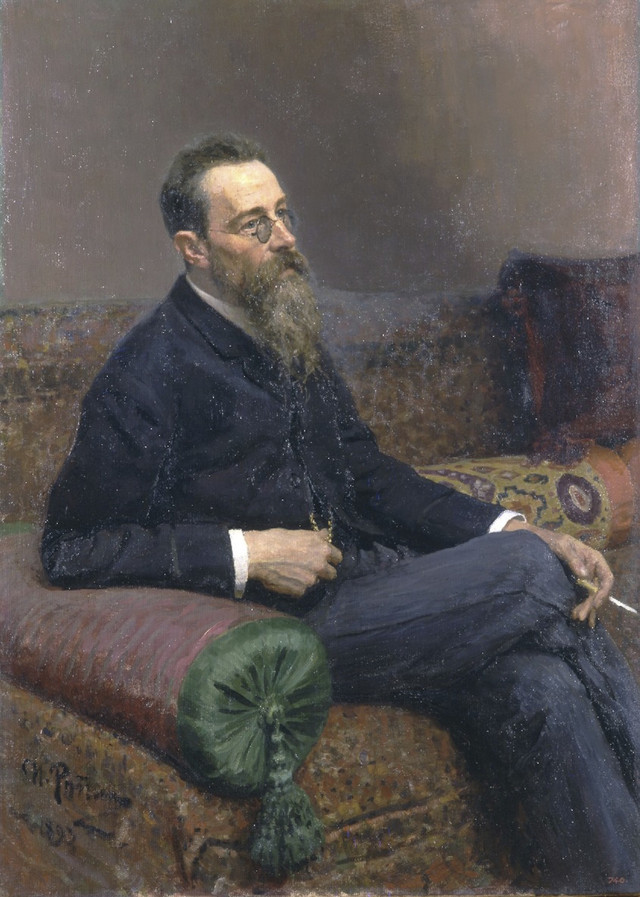
U…nder the influence of Mily Balakirev, whom he met in 1862, Borodin became interested in applying elements of Russian folk music to works for the concert hall and stage. He joined a circle of like-minded composers -- Balakirev, Rimsky-Korsakov, Mussorgsky, and Cui -- famously dubbed "The Five" or "The Mighty Handful." The influence of Balakirev in particular is at once in evident in the Symphony No. 1 in E flat major (1867). Borodin began the much craggier Symphony No. 2 in B minor in 1869, the same year he commenced labor on his most important work, the opulent four-act opera Prince Igor. While it took him more than five years to complete the symphony, work on Prince Igor dragged on for decades. Borodin, who had in the meantime completed a number of other works, left the opera unfinished at the time of his death. It was completed posthumously by Rimsky-Korsakov, a skillful craftsman and a particularly apt match for Borodin's colorful musical character, and Alexander Glazunov. Glazunov also completed the Symphony No. 3 in A minor, which the composer had been working on until the time of his death.
Aside from teaching chemistry and conducting research, Borodin helped found a series of medical courses for women in 1872. Such activities, as well as the poor health that plagued him in the 1880s, drained the energy that he might have devoted to composition. Still, as a part-time composer, he left a significant oeuvre: more than a dozen worthy songs, miscellaneous piano pieces, two string quartets (the second of which contains a ravishing Nocturne often performed in an arrangement for string orchestra), and the popular tone poem In the Steppes of Central Asia (1880). Borodin died while attending a ball in St. Petersburg on February 27, 1887. ~ James Reel, Rovi
Viberate is a music analytics platform built for A&Rs, artist managers, labels, booking agents, marketers, and artists.
It helps music professionals track artist growth, analyze audience data, monitor playlist activity, compare artists, follow song performance, and identify opportunities across the music market.
Public artist pages provide a free preview of selected artist data. Paid plans provide access to deeper analytics, historical data, charts, comparisons, playlist tools, exports, alerts, reports, and additional professional features.
Yes. Public Viberate artist pages provide selected artist analytics and music data for free.
Viberate also offers a 7-day free trial of the full platform. A credit card is required to start the trial. The trial includes access to the complete product so users can test deeper artist analytics, historical views, playlist insights, comparisons, charts, exports, alerts, and reporting features before choosing a paid plan.
Viberate provides artist analytics across streaming, playlists, social media, video, radio airplay, songs, and audience markets.
Users can analyze Spotify performance, Spotify and Apple Music playlists, YouTube activity, TikTok and Instagram growth, radio spins, song performance, audience locations, demographics, rankings, and overall artist momentum.
Artist profiles also connect to music charts, similar artists, and comparison tools, helping users benchmark performance and evaluate artists in context.
Viberate updates key artist and track data daily.
For followed artists and tracks, selected data is refreshed multiple times per day. This helps teams monitor playlist changes, streaming movement, audience growth, releases, and campaign performance with more current data.
Update frequency can vary depending on the metric and data source.
Yes. Viberate lets users compare up to five artists side by side across streaming, social media, audience, and engagement metrics.
Users can compare fanbase growth, audience demographics, locations, Spotify performance, social metrics, and other artist data over selected time periods.
Artist comparison can be used for A&R scouting, benchmarking, booking decisions, campaign planning, and evaluating artists with similar audiences or market positions.