Alex van ReeVe

Electronic
Trance
 Viberate Rank: 369832
 Viberate Rank: 369832
 Monthly ListenersFollowers
 Subscribers
 Followers
 Followers
 FansTop Spotify Songs
| Track | 7-Day Streams | |
|---|---|---|
1 | 120 | |
2 | 82 | |
3 | 78 | |
4 | 69 | |
5 | 69 |
Top YouTube VideosMonthly ListenersFeatured in Playlists| Playlist | Followers | |
|---|---|---|
1 |  Vocal Trance 2026 ✦ Ultimate Classics & New Hits (1990–2026) Isma Díaz | 21.46K |
2 | Techno 90 to 22 Enchantax | 13.48K |
3 | Erik Lindberg | 13.41K |
4 |  Best of Trance and Progressive ainandre | 7.69K |
5 |  Hard Trance Andreas Ekstrand | 5.72K |
Audience| City | Monthly Listeners | |
|---|---|---|
1 |  | 16 |
2 |  | 14 |
3 | | 13 |
4 |  | 12 |
5 |  | 12 |
See full performance history, audience data, playlist activity, rankings, comparisons, and more in Viberate music analytics. Start with a free trial, then continue with a paid plan.
Alex van ReeVe’s Spotify BioAlex van ReeVe – born July 23rd, 1985 in Poland. He has had a passion for electronic music since 1998 and fallen in love with trance music, especially its uplifting side. He describes his style as an explosive mixture of progressive melodies, tech-sounds and uplifting energy.
Already as a 13-year old boy, Alex discovered the magic of the electronic music which became for him a completely different dimension. Initially, he was interested in heavy sounds like techno, hardstyle or gabba but ultimately he has his heart to Trance music. The uniqueness of this genre he does not describe by means of numerous adjectives but impressions and sensations. He gave vent to those incredibly strong feelings through DJ'ing which became his passion in 2005. Alex definitely prefers uplifting trance, however, it does not mean that he closes himself to other subgenres like progressive or tech. On the contrary, in his broadcast, everybody can find something interesting.
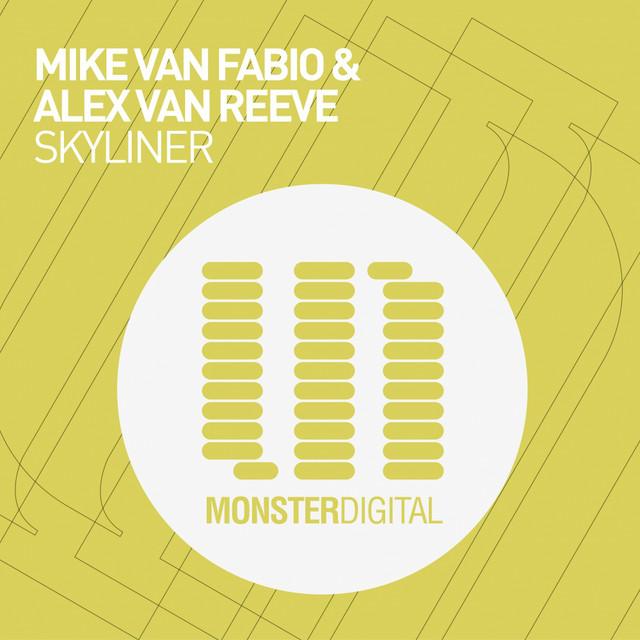
In 2013 Alex decided to go one step… further. His 1st track produced with Mike van Fabio 'Skyliner' was supported by Armin van Buuren during ASOT638/639/642. Numerous supports from artists like Aly & Fila, Sean Tyas, Photographer, Ben Gold, Gareth Emery, Andy Moor, Jordan Suckley, Giuseppe Ottaviani & releases on the world's biggest labels like Armada Music (WAO138), Black Hole Recordings (ITWT, Rielism), Enhanced (DS-R, Always Alive), High Contrast and much more only proved that Alex van ReeVe is a new face on the trance scene.
Viberate is a music analytics platform built for A&Rs, artist managers, labels, booking agents, marketers, and artists.
It helps music professionals track artist growth, analyze audience data, monitor playlist activity, compare artists, follow song performance, and identify opportunities across the music market.
Public artist pages provide a free preview of selected artist data. Paid plans provide access to deeper analytics, historical data, charts, comparisons, playlist tools, exports, alerts, reports, and additional professional features.
Yes. Public Viberate artist pages provide selected artist analytics and music data for free.
Viberate also offers a 7-day free trial of the full platform. A credit card is required to start the trial. The trial includes access to the complete product so users can test deeper artist analytics, historical views, playlist insights, comparisons, charts, exports, alerts, and reporting features before choosing a paid plan.
Viberate provides artist analytics across streaming, playlists, social media, video, radio airplay, songs, and audience markets.
Users can analyze Spotify performance, Spotify and Apple Music playlists, YouTube activity, TikTok and Instagram growth, radio spins, song performance, audience locations, demographics, rankings, and overall artist momentum.
Artist profiles also connect to music charts, similar artists, and comparison tools, helping users benchmark performance and evaluate artists in context.
Viberate updates key artist and track data daily.
For followed artists and tracks, selected data is refreshed multiple times per day. This helps teams monitor playlist changes, streaming movement, audience growth, releases, and campaign performance with more current data.
Update frequency can vary depending on the metric and data source.
Yes. Viberate lets users compare up to five artists side by side across streaming, social media, audience, and engagement metrics.
Users can compare fanbase growth, audience demographics, locations, Spotify performance, social metrics, and other artist data over selected time periods.
Artist comparison can be used for A&R scouting, benchmarking, booking decisions, campaign planning, and evaluating artists with similar audiences or market positions.