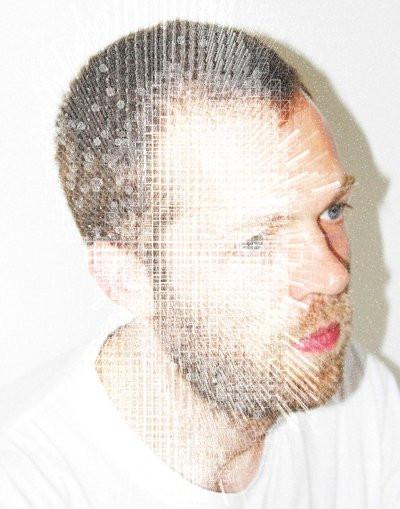
Alex Smoke

Electronic
Downtempo
Minimal Techno
 Viberate Rank: 180548
 Viberate Rank: 180548
 Monthly ListenersFollowers
 Subscribers
 Followers
 Followers
 FansTop Spotify Songs
| Track | 7-Day Streams | |
|---|---|---|
1 | 397 | |
2 | 387 | |
3 | 344 | |
4 | 317 | |
5 | 244 |
Top YouTube Videos| Video | 7-Day Views | |
|---|---|---|
1 | 81 | |
2 | 40 | |
3 | 24 | |
4 | 20 | |
5 | 15 |
Monthly ListenersFeatured in Playlists| Playlist | Followers | |
|---|---|---|
1 |  audífonos con cable Spotify | 414.99K |
2 |  Minimal Techno alekzanther | 127.23K |
3 |  Space Sounds Odin Media Group | 57.68K |
4 |  PS5 EDM PlayStation®️ | 45.71K |
5 |  Coding Programming Hacking Slashing Techno Tim | 19.79K |
Audience| City | Monthly Listeners | |
|---|---|---|
1 |  | 186 |
2 | | 157 |
3 | | 97 |
4 |  | 86 |
5 |  | 74 |
See full performance history, audience data, playlist activity, rankings, comparisons, and more in Viberate music analytics. Start with a free trial, then continue with a paid plan.
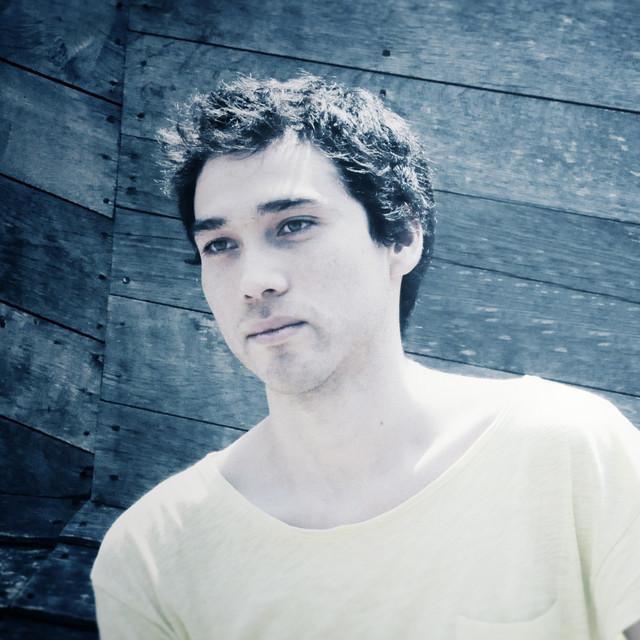
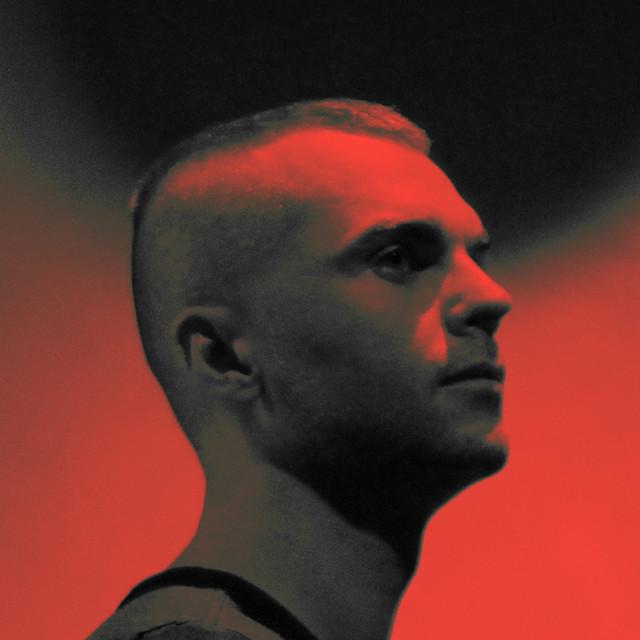
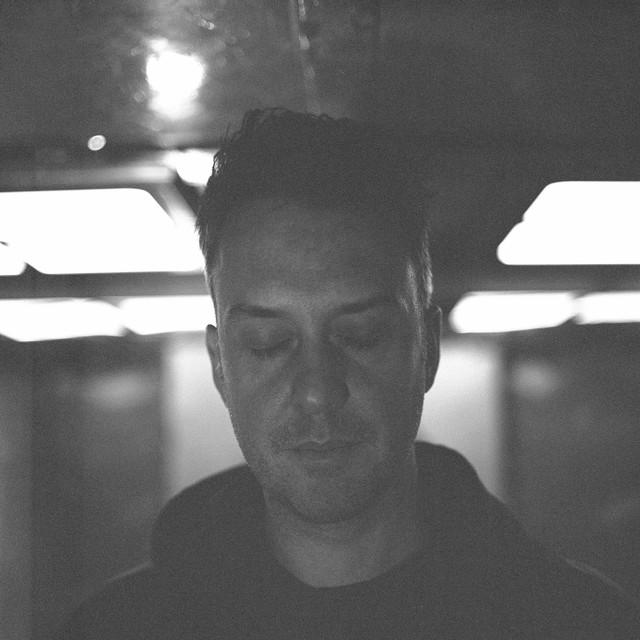
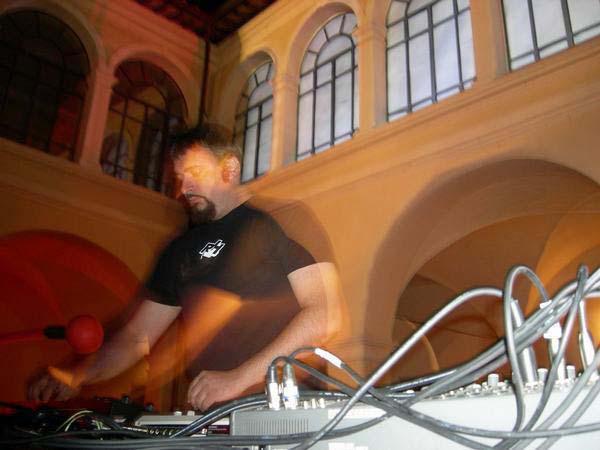
Alex Smoke’s Spotify BioAlex Smoke is an acclaimed Glasgow-based techno producer/DJ affiliated most notably with Soma Quality Recordings, as well as his own label, Hum+Haw. Since 2002, he's released dozens of 12"s of glitchy, shuffling minimal techno tracks, as well as a few full-lengths that push his sound into more experimental directions, often incorporating his own vocals, cinematic soundscapes, and the occasional acoustic instrument.
Born Alex Menzies to a mother who was a music teacher, he studied classical music as a child after receiving a scholarship for the Durham Cathedral Choir School, where he played cello, piano, and drums. Billing himself as Alex Smoke, he made his recording debut in 2002 on the Savalas Underground Developments (S.U.D.) label with Random As. The 12" EP caught the ears of both the Berlin-based Vakant and the Glasgow-based Soma Quality Recordings labels, the latter renowned for its long-running catalog (founded in 1991) featuring such big names as Slam, Daft Punk, Percy X, and Fun…k d'Void. Beginning in 2004 both labels began releasing 12" EPs by Smoke: those on Vakant include Simple Things (2004), Ring.Click.Tink (2005), and Hanged Man (2007), while those on Soma include Chica Wappa (2004), Lost in Sound (2005), and Prima Materia (2007). In addition, Soma released a couple full-length albums by Smoke, namely Incommunicado (2005) and the more vocal-heavy Paradolia (2006), as well as the mix CD Sci.Fi.Hi.Fi. _03 (2006).
By 2007, Smoke had become a prolific remixer as well, with clients including Mylo, Junior Boys, Steve Reich, and Radio 4, among many others. He released the Hanged Man EP on Vakant and Prima Materia on Soma before establishing Hum+Haw in early 2008 with an EP titled Vaporub. F in F appeared on Vakant in 2009, while a few more EPs appeared on Hum+Haw, culminating in Lux, Smoke's third album and his label's only full-length. Following two remix singles on Soma in 2011, Smoke released a new EP of original tracks titled Mu on Vakant in 2012. In 2013, Smoke released a full-length by his experimental alias Wraetlic on Convex Industries. He also made his debut on revered Belgian label R&S with a 12" titled Dust that included a remix by Tessela. This was followed by another EP for the label, RS1403, in 2014. Smoke released an EP titled Stauner on Optimo Trax in April of 2015. The following month, a more experimental, classical-influenced LP titled Order & Disorder, credited to his given name, was issued on Ricardo Donoso's Kathexis label. He returned to R&S in early 2016 with Love Over Will, the least dancefloor-oriented Alex Smoke full-length yet. ~ Jason Birchmeier, Rovi
Viberate is a music analytics platform built for A&Rs, artist managers, labels, booking agents, marketers, and artists.
It helps music professionals track artist growth, analyze audience data, monitor playlist activity, compare artists, follow song performance, and identify opportunities across the music market.
Public artist pages provide a free preview of selected artist data. Paid plans provide access to deeper analytics, historical data, charts, comparisons, playlist tools, exports, alerts, reports, and additional professional features.
Yes. Public Viberate artist pages provide selected artist analytics and music data for free.
Viberate also offers a 7-day free trial of the full platform. A credit card is required to start the trial. The trial includes access to the complete product so users can test deeper artist analytics, historical views, playlist insights, comparisons, charts, exports, alerts, and reporting features before choosing a paid plan.
Viberate provides artist analytics across streaming, playlists, social media, video, radio airplay, songs, and audience markets.
Users can analyze Spotify performance, Spotify and Apple Music playlists, YouTube activity, TikTok and Instagram growth, radio spins, song performance, audience locations, demographics, rankings, and overall artist momentum.
Artist profiles also connect to music charts, similar artists, and comparison tools, helping users benchmark performance and evaluate artists in context.
Viberate updates key artist and track data daily.
For followed artists and tracks, selected data is refreshed multiple times per day. This helps teams monitor playlist changes, streaming movement, audience growth, releases, and campaign performance with more current data.
Update frequency can vary depending on the metric and data source.
Yes. Viberate lets users compare up to five artists side by side across streaming, social media, audience, and engagement metrics.
Users can compare fanbase growth, audience demographics, locations, Spotify performance, social metrics, and other artist data over selected time periods.
Artist comparison can be used for A&R scouting, benchmarking, booking decisions, campaign planning, and evaluating artists with similar audiences or market positions.