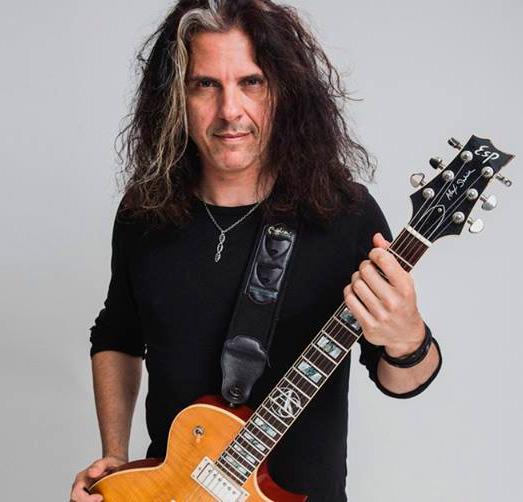
Alex Skolnick

Metal
Thrash Metal
Jazz Fusion
 Viberate Rank: 92548
 Viberate Rank: 92548
 Monthly ListenersFollowers
 Subscribers
 Followers
 Followers
 FansTop Spotify Songs
| Track | 7-Day Streams | |
|---|---|---|
1 | 508 | |
2 | 180 | |
3 | 152 | |
4 | 143 | |
5 | 143 |
Top YouTube VideosMonthly ListenersFeatured in Playlists| Playlist | Followers | |
|---|---|---|
1 |  Indie Vibe(s) Helius | 45.66K |
2 |  Rock/Metal instrumentals Justin Ronald Williamson | 15.61K |
3 |  Heavy Metal Instrumentals 🎸 JaviFlames | 13.78K |
4 |  Country Hue Moodplaylisting | 13.45K |
5 |  Instrumental Metal Diego Quiroz | 10.91K |
Audience| City | Monthly Listeners | |
|---|---|---|
1 |  | 25 |
2 |  | 18 |
3 |  | 16 |
4 |  | 12 |
5 | | 9 |
See full performance history, audience data, playlist activity, rankings, comparisons, and more in Viberate music analytics. Start with a free trial, then continue with a paid plan.
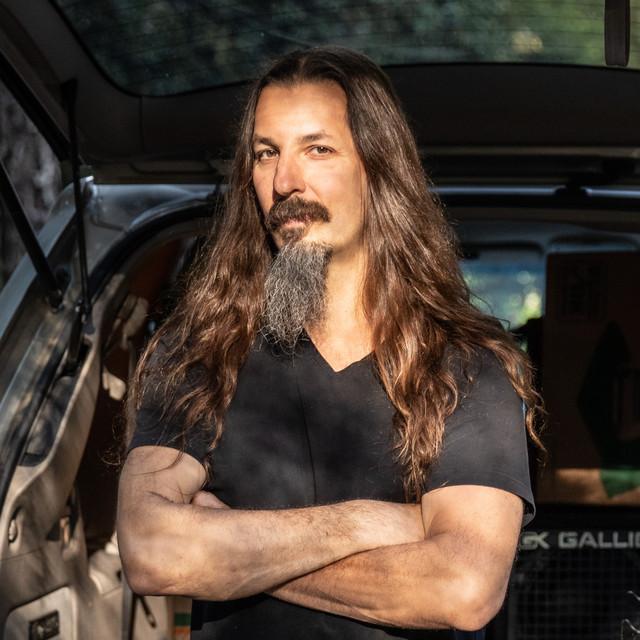
Alex Skolnick’s Spotify BioA versatile guitarist best known for speed and precision, Alex Skolnick first came to the attention of guitar fans worldwide in the mid-'80s as a member of thrash metallists Testament. He went on to establish himself in the realm of nuanced jazz fusion with the Alex Skolnick Trio. An on-again, off-again member of Testament for over three decades, Skolnick maintained a high profile outside of his metal group and his jazz trio, collaborating with acts including Ozzy Osbourne, Les Claypool, and the Trans-Siberian Orchestra. Still going strong in the 2010s, he debuted on the Billboard jazz chart with his trio's fourth long-player, 2011's Veritas, and contributed to the Testament Top 20 albums Dark Roots of Thrash (2012) and Brotherhood of the Snake (2016).
Born in 1968 in Berkeley, California, Skolnick's interest in rock music and guitar came about due to his (and many other youths at the time) admiration of glam metal band Kiss. By his late teens, Skolnick was taking lessons from a… then-unknown Joe Satriani, before signing on with a local outfit, Legacy, which would soon become known as Testament. The quintet -- then Skolnick, vocalist Chuck Billy, guitarist Eric Peterson, bassist Greg Christian, and drummer Louie Clemente -- followed a musical path similar to such thrash metal groundbreakers as Metallica, and soon built up a following. This resulted in a recording contract with Megaforce by the late '80s, just as thrash began to infiltrate the mainstream.
A string of well-received releases followed (each outselling its predecessor): 1987's The Legacy, 1988's New Order, 1989's Practice What You Preach, 1990's Souls of Black, and 1992's The Ritual, as well as touring alongside the likes of Megadeth, Slayer, and Judas Priest, among others. It was also during this time that Skolnick became recognized for his six-string talents, racking up awards in polls held by such renowned guitar publications as Guitar for the Practicing Musician and Guitar World. (He contributed an instructional column for the latter.)
However, Skolnick began feeling more and more confined to just one style as a member of Testament, which eventually led to his temporary exit in 1992. Despite his desire to try other musical styles, Skolnick joined Savatage -- a band that was quite similar to his former group -- soon after. That union would last for just a single album, 1994's Handful of Rain, before he finally set out on his own. Skolnick immediately became an in-demand guitarist, and performed and/or recorded with the likes of Primus bassist Les Claypool and Primus/Guns N' Roses drummer Brain, Ozzy Osbourne, Miles Davis keyboardist Adam Holzman, Trans-Siberian Orchestra, and even Les Miserables/Jekyll & Hyde Broadway actor Rob Evan, among others. Additionally, Skolnick released a pair of albums with the prog metal-fusion trio Attention Deficit (which featured former Primus drummer Tim "Herb" Alexander and Manring) -- 1998's Attention Deficit and 2001's The Idiot King.
Having relocated to New York City during the late '90s, Skolnick began performing regularly in the area around that time with drummer Matt Zebroski and upright bassist John Davis as the Alex Skolnick Trio. He also earned a B.F.A. in jazz performance from Manhattan's The New School. (His time there included study with Richie Beirach, George Garzone, Hal Galper, and Cecil McBee.) His trio's recording debut, Goodbye to Romance: Standards for a New Generation, a collection of metal covers given jazz makeovers, was released in 2001. In the meantime, Skolnick began touring with Trans-Siberian Orchestra and also found work as a composer, writing music for projects including the home video game Hot Wheels Turbo Racing, the USA Network's broadcast of the 2002 Westminster Dog Show, and MTV's Makin' the Band.
In 2003, Nathan Peck replaced Davis on bass in the Alex Skolnick Trio. The project's second album, 2004’s Transformation, featured radically reworked versions of tunes originally by bands such as Judas Priest, Pink Floyd, and Deep Purple. Skolnick then reunited with Testament in 2005 for a short European tour, and appeared on Formation of Damnation, the group's first studio album with the guitarist since 1992's The Ritual. Back with the Alex Skolnick Trio, 2007's Last Day in Paradise focused more on original compositions than earlier releases, as did 2011's Veritas. The trio's debut on Palmetto Records, Veritas spent a week at number 44 on the Billboard Jazz Albums chart. Following the hit Testament album Dark Roots of Earth in 2012 (it reached number 12 on the Billboard 200), the collaborative album Alex Skolnick's Planetary Coalition arrived in 2014 via ArtistShare. The guitarist returned to Palmetto for the Alex Skolnick Trio LP Conundrum, released in September of 2018. Two months later, the Testament studio album Brotherhood of the Snake peaked at number 20 on the U.S. albums chart. ~ Greg Prato & Marcy Donelson, Rovi
Viberate is a music analytics platform built for A&Rs, artist managers, labels, booking agents, marketers, and artists.
It helps music professionals track artist growth, analyze audience data, monitor playlist activity, compare artists, follow song performance, and identify opportunities across the music market.
Public artist pages provide a free preview of selected artist data. Paid plans provide access to deeper analytics, historical data, charts, comparisons, playlist tools, exports, alerts, reports, and additional professional features.
Yes. Public Viberate artist pages provide selected artist analytics and music data for free.
Viberate also offers a 7-day free trial of the full platform. A credit card is required to start the trial. The trial includes access to the complete product so users can test deeper artist analytics, historical views, playlist insights, comparisons, charts, exports, alerts, and reporting features before choosing a paid plan.
Viberate provides artist analytics across streaming, playlists, social media, video, radio airplay, songs, and audience markets.
Users can analyze Spotify performance, Spotify and Apple Music playlists, YouTube activity, TikTok and Instagram growth, radio spins, song performance, audience locations, demographics, rankings, and overall artist momentum.
Artist profiles also connect to music charts, similar artists, and comparison tools, helping users benchmark performance and evaluate artists in context.
Viberate updates key artist and track data daily.
For followed artists and tracks, selected data is refreshed multiple times per day. This helps teams monitor playlist changes, streaming movement, audience growth, releases, and campaign performance with more current data.
Update frequency can vary depending on the metric and data source.
Yes. Viberate lets users compare up to five artists side by side across streaming, social media, audience, and engagement metrics.
Users can compare fanbase growth, audience demographics, locations, Spotify performance, social metrics, and other artist data over selected time periods.
Artist comparison can be used for A&R scouting, benchmarking, booking decisions, campaign planning, and evaluating artists with similar audiences or market positions.