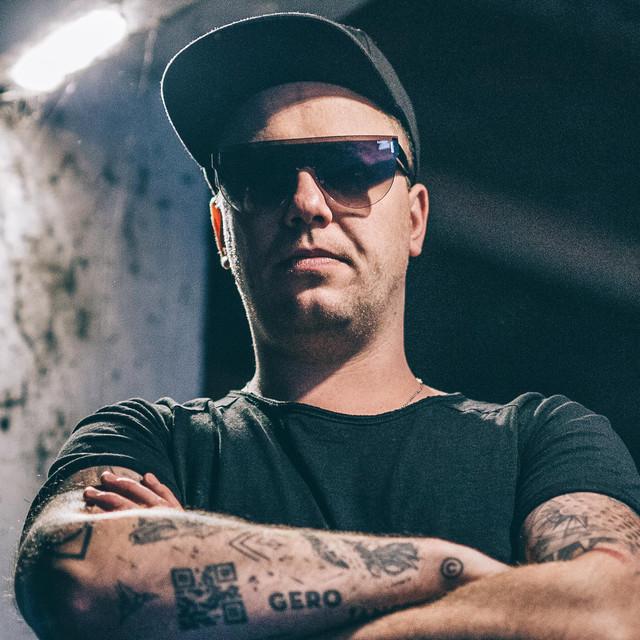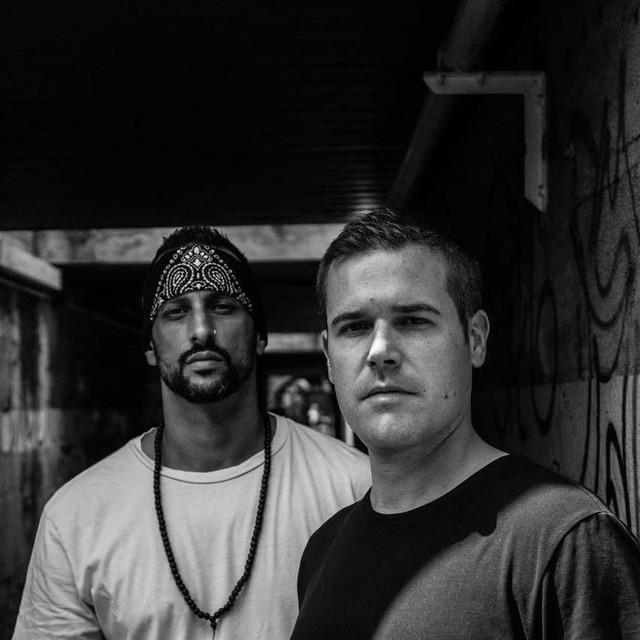
Alex Rubino

Electronic
Techno
 Viberate Rank: 361967
 Viberate Rank: 361967
 Monthly ListenersFollowers
 Subscribers
 Followers
 Followers
 FansTop Spotify Songs
| Track | 7-Day Streams | |
|---|---|---|
1 | 22 | |
2 | 14 | |
3 | 4 | |
4 | 4 | |
5 | 3 |
Top YouTube VideosMonthly ListenersFeatured in Playlists| Playlist | Followers | |
|---|---|---|
1 |  Dark Techno/2026/Hardtechno/Germantechno/Hardtechno/Germantechno/Techno/xtc/Hard Techno/Darktechno/ Tim Schallenberg | 8.27K |
2 |  Techno & Friends | Tom Westy - Dream Alarm Bernhard Brändle | 4.16K |
3 | Techno/Progressive Austin Hung | 2.90K |
4 |  BUNKER & DARK TECHNO 2026 jannlucc | 1.94K |
5 | Beatport Techno (Peak Time / Driving / Hard) Tracks voidet | 1.20K |
Audience| City | Monthly Listeners | |
|---|---|---|
1 | | 8 |
2 | | 4 |
3 |  | 4 |
4 | | 4 |
5 |  | 3 |
See full performance history, audience data, playlist activity, rankings, comparisons, and more in Viberate music analytics. Start with a free trial, then continue with a paid plan.
Alex Rubino’s Spotify BioAlex Rubino è uno dei talenti più dinamici sulla scena globale della musica elettronica. DJ residente di Bolgia - Bergamo, uno dei club più importanti in Europa per la musica techno, ha pubblicato brani sulle migliori etichette come Second State e Phobiq. I migliori DJ come Adam Beyer, Pan-Pot, Ilario Alicante e Sam Paganini, Amelie Lens, Jospeh Capriati, Richie Hawtin, Marco Carola, Len Faki (...) suonano la sua musica durante i loro programmi radiofonici e le esibizioni dal vivo. Le uscite di Alex Rubino sono molto personali e allo stesso tempo vicine alle radici della musica techno. Proprio come i suoi dj set, le sue tracce sono davvero efficaci sul dancefloor."Il lavoro che ogni DJ ha è di gran lunga impazzire la gente. Tutto il resto non conta molto", dice ridendo. Ha prodotto "Lilla", il suo primo disco a 17 anni. La svolta della sua carriera è stata probabilmente "Warning", un EP pubblicato a maggio 2017 su Phobic, l'etichetta di Sasha Carassi. Subito dopo aver pubblicato la… musica su Second State, l'impronta di Pan-Pot. "Ci siamo incontrati sul palco dello Shade Festival. Stavano facendo impazzire la folla suonando" Dacks ", ma non sapevano che io avevo prodotto quella traccia" ...
Viberate is a music analytics platform built for A&Rs, artist managers, labels, booking agents, marketers, and artists.
It helps music professionals track artist growth, analyze audience data, monitor playlist activity, compare artists, follow song performance, and identify opportunities across the music market.
Public artist pages provide a free preview of selected artist data. Paid plans provide access to deeper analytics, historical data, charts, comparisons, playlist tools, exports, alerts, reports, and additional professional features.
Yes. Public Viberate artist pages provide selected artist analytics and music data for free.
Viberate also offers a 7-day free trial of the full platform. A credit card is required to start the trial. The trial includes access to the complete product so users can test deeper artist analytics, historical views, playlist insights, comparisons, charts, exports, alerts, and reporting features before choosing a paid plan.
Viberate provides artist analytics across streaming, playlists, social media, video, radio airplay, songs, and audience markets.
Users can analyze Spotify performance, Spotify and Apple Music playlists, YouTube activity, TikTok and Instagram growth, radio spins, song performance, audience locations, demographics, rankings, and overall artist momentum.
Artist profiles also connect to music charts, similar artists, and comparison tools, helping users benchmark performance and evaluate artists in context.
Viberate updates key artist and track data daily.
For followed artists and tracks, selected data is refreshed multiple times per day. This helps teams monitor playlist changes, streaming movement, audience growth, releases, and campaign performance with more current data.
Update frequency can vary depending on the metric and data source.
Yes. Viberate lets users compare up to five artists side by side across streaming, social media, audience, and engagement metrics.
Users can compare fanbase growth, audience demographics, locations, Spotify performance, social metrics, and other artist data over selected time periods.
Artist comparison can be used for A&R scouting, benchmarking, booking decisions, campaign planning, and evaluating artists with similar audiences or market positions.