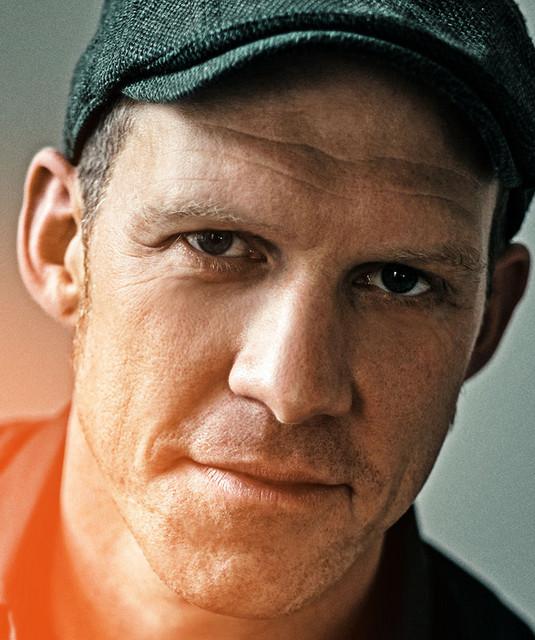
Alex Band

Rock
Pop Rock
 Viberate Rank: 66187
 Viberate Rank: 66187
 Monthly ListenersFollowers
 Subscribers
 Followers
 Followers
 FansTop Spotify Songs
| Track | 7-Day Streams | |
|---|---|---|
1 | 27.34K | |
2 | 20.96K | |
3 | 2.49K | |
4 | 979 | |
5 | 901 |
Top YouTube Videos| Video | 7-Day Views | |
|---|---|---|
1 | 23.90K | |
2 | 3.04K | |
3 | 879 | |
4 | 356 | |
5 | 238 |
Monthly ListenersFeatured in Playlists| Playlist | Followers | |
|---|---|---|
1 | Indie Rock Favorites Joyce Nijhuis | 76.54K |
2 |  90s kidz Nameless James | 45.56K |
3 | swebull68 | 21.30K |
4 |  Fröhliches Frühstück ☀️ tobias_gsn | 19.47K |
5 |  90s 00s Summer Pop Throwbacks Kevin Sheehan | 18.97K |
Audience| City | Monthly Listeners | |
|---|---|---|
1 |  | 2.93K |
2 | | 2.68K |
3 | | 2.31K |
4 | | 2.27K |
5 | | 2.06K |
See full performance history, audience data, playlist activity, rankings, comparisons, and more in Viberate music analytics. Start with a free trial, then continue with a paid plan.
Alex Band’s Spotify BioAlex Band launched his career as leader of the Calling, a post-grunge act that rose to popularity in late 2001, when "Wherever You Will Go" assumed its reign atop the Adult Top 40 chart. The song remained there for 23 weeks, the second longest run of any chart-topping single, but the Calling's popularity quickly dwindled as future singles failed to chart as highly. The band eventually threw in the towel in 2005, allowing Band the chance to pursue his own interests as a solo artist.
Having already scored a Top Ten single without the help of his bandmates ("Why Don't You and I," a duet with Carlos Santana that charted in 2003), Band signed a solo deal with Geffen Records and began prepping his first release. He left the label four years later, however, choosing to record material as an independent artist instead. He released The EP in 2008, and his debut solo full-length, We've All Been There, appeared in 2010 on his own label, AMB, distributed through EMI. ~ Andrew Leahey, Rovi
Viberate is a music analytics platform built for A&Rs, artist managers, labels, booking agents, marketers, and artists.
It helps music professionals track artist growth, analyze audience data, monitor playlist activity, compare artists, follow song performance, and identify opportunities across the music market.
Public artist pages provide a free preview of selected artist data. Paid plans provide access to deeper analytics, historical data, charts, comparisons, playlist tools, exports, alerts, reports, and additional professional features.
Yes. Public Viberate artist pages provide selected artist analytics and music data for free.
Viberate also offers a 7-day free trial of the full platform. A credit card is required to start the trial. The trial includes access to the complete product so users can test deeper artist analytics, historical views, playlist insights, comparisons, charts, exports, alerts, and reporting features before choosing a paid plan.
Viberate provides artist analytics across streaming, playlists, social media, video, radio airplay, songs, and audience markets.
Users can analyze Spotify performance, Spotify and Apple Music playlists, YouTube activity, TikTok and Instagram growth, radio spins, song performance, audience locations, demographics, rankings, and overall artist momentum.
Artist profiles also connect to music charts, similar artists, and comparison tools, helping users benchmark performance and evaluate artists in context.
Viberate updates key artist and track data daily.
For followed artists and tracks, selected data is refreshed multiple times per day. This helps teams monitor playlist changes, streaming movement, audience growth, releases, and campaign performance with more current data.
Update frequency can vary depending on the metric and data source.
Yes. Viberate lets users compare up to five artists side by side across streaming, social media, audience, and engagement metrics.
Users can compare fanbase growth, audience demographics, locations, Spotify performance, social metrics, and other artist data over selected time periods.
Artist comparison can be used for A&R scouting, benchmarking, booking decisions, campaign planning, and evaluating artists with similar audiences or market positions.