Al Petteway

Rock
Folk Rock
Folk
 Viberate Rank: 222438
 Viberate Rank: 222438
 Monthly ListenersFollowers
 Subscribers
 Followers
 Followers
 FansTop Spotify Songs
| Track | 7-Day Streams | |
|---|---|---|
1 | 3.11K | |
2 | 2.74K | |
3 | 1.14K | |
4 | 597 | |
5 | 539 |
Top YouTube VideosMonthly ListenersFeatured in Playlists| Playlist | Followers | |
|---|---|---|
1 |  Soft Guitar for Sleep Dave Matthiessen | 21.09K |
2 |  Christmas Acoustic Guitar Julia Kading | 14.11K |
3 |  HARPA INSTRUMENTAL Vieira Edvaldo | 8.45K |
4 |  The Best of Windham Hill plus... eich08 | 8.18K |
5 |  Texas Rock & Blues Fabio Henrique | 6.49K |
Audience| City | Monthly Listeners | |
|---|---|---|
1 | | 194 |
2 | | 176 |
3 | | 174 |
4 | | 163 |
5 | | 138 |
See full performance history, audience data, playlist activity, rankings, comparisons, and more in Viberate music analytics. Start with a free trial, then continue with a paid plan.
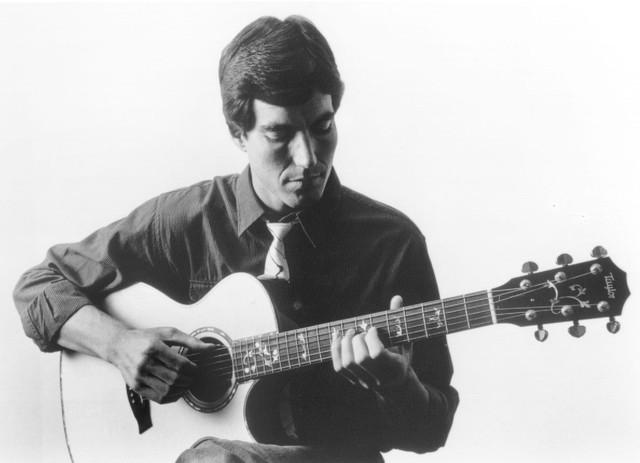
Al Petteway’s Spotify BioFingerstyle acoustic guitarist Al Petteway has been playing in bands since the early '70s. By the time he launched his own solo recording career in the '90s, Petteway had created an original playing style combining Celtic tunings and phrases with American themes. Petteway was bitten by the music bug at an early age due to the British Invasion and by the age of 11, was playing in several rock and folk acts in the Washington, D.C., area (alternating between guitar, drums, and bass). Upon attending college in 1969, Petteway broadened his musical horizons by playing with the Old Dominion University Madrigal Singers, the school's jazz and symphonic bands, plus the Norfolk Ballet Orchestra. In the late '70s, music briefly took a back seat in Petteway's life as he became the supervisor of picture editing for the National Geographic Society, but he eventually teamed with mandolinist Akira Otsuka to become a regular attraction at the renowned folk club the Birchmere, in Alexandria, VA. Otsuka… and Petteway issued a critically acclaimed album together around this time (calling themselves Grazz Matazz) -- Delinquent Minor -- which featured guest appearances by Béla Fleck, Jethro Burns, and Mike Auldridge, and won a Washington Area Music Association Wammie award for Best Album of 1985. A couple of years later, Petteway formed the Al Petteway Quartet, an all acoustic and instrumental trio comprised of Petteway, Otsuka, and Mary-Chapin Carpenter guitarist John Jennings, resulting in such releases as Whispering Stones and The Waters and the Wild. Further Petteway albums appeared throughout the decade and beyond, including 1995's Midsummer Moon, 1997's Caledon Wood, and a pair of releases in 2000 that were collaborations with his wife, Amy White: Racing Hearts and Groovemasters, Vol. 3: Gratitude. In addition to his own recordings, Petteway has played on numerous recordings by other artists over the years, including Cheryl Wheeler, Jonathan Edwards, the Smith Sisters, Debi Smith, Grace Griffith, Susan Graham White, Maggie Sansone, and Bonnie Rideout, among others. ~ Greg Prato, Rovi
Viberate is a music analytics platform built for A&Rs, artist managers, labels, booking agents, marketers, and artists.
It helps music professionals track artist growth, analyze audience data, monitor playlist activity, compare artists, follow song performance, and identify opportunities across the music market.
Public artist pages provide a free preview of selected artist data. Paid plans provide access to deeper analytics, historical data, charts, comparisons, playlist tools, exports, alerts, reports, and additional professional features.
Yes. Public Viberate artist pages provide selected artist analytics and music data for free.
Viberate also offers a 7-day free trial of the full platform. A credit card is required to start the trial. The trial includes access to the complete product so users can test deeper artist analytics, historical views, playlist insights, comparisons, charts, exports, alerts, and reporting features before choosing a paid plan.
Viberate provides artist analytics across streaming, playlists, social media, video, radio airplay, songs, and audience markets.
Users can analyze Spotify performance, Spotify and Apple Music playlists, YouTube activity, TikTok and Instagram growth, radio spins, song performance, audience locations, demographics, rankings, and overall artist momentum.
Artist profiles also connect to music charts, similar artists, and comparison tools, helping users benchmark performance and evaluate artists in context.
Viberate updates key artist and track data daily.
For followed artists and tracks, selected data is refreshed multiple times per day. This helps teams monitor playlist changes, streaming movement, audience growth, releases, and campaign performance with more current data.
Update frequency can vary depending on the metric and data source.
Yes. Viberate lets users compare up to five artists side by side across streaming, social media, audience, and engagement metrics.
Users can compare fanbase growth, audience demographics, locations, Spotify performance, social metrics, and other artist data over selected time periods.
Artist comparison can be used for A&R scouting, benchmarking, booking decisions, campaign planning, and evaluating artists with similar audiences or market positions.