Al Casey

Jazz
Swing
Indie Rock
 Viberate Rank: 351542
 Viberate Rank: 351542
 Monthly ListenersFollowers
 Subscribers
 Followers
 Followers
 FansTop Spotify Songs
| Track | 7-Day Streams | |
|---|---|---|
1 | 101 | |
2 | 56 | |
3 | 24 | |
4 | 19 | |
5 | 19 |
Top YouTube VideosMonthly ListenersFeatured in Playlists| Playlist | Followers | |
|---|---|---|
1 | Lounge Compilations (CDM, HC) Julia Markish | 29.92K |
2 |  El Sótano de Radio 3 Groovyfamily | 9.84K |
3 | CWW Larry Little | 5.26K |
4 |  60s Surf Rock, Surf Music Classics SunWorshipper | 4.79K |
5 |  Surf Guitar Music johanpranger-nl | 4.31K |
Audience| City | Monthly Listeners | |
|---|---|---|
1 |  | 7 |
2 | | 6 |
3 |  | 5 |
4 | | 3 |
5 | | 3 |
See full performance history, audience data, playlist activity, rankings, comparisons, and more in Viberate music analytics. Start with a free trial, then continue with a paid plan.
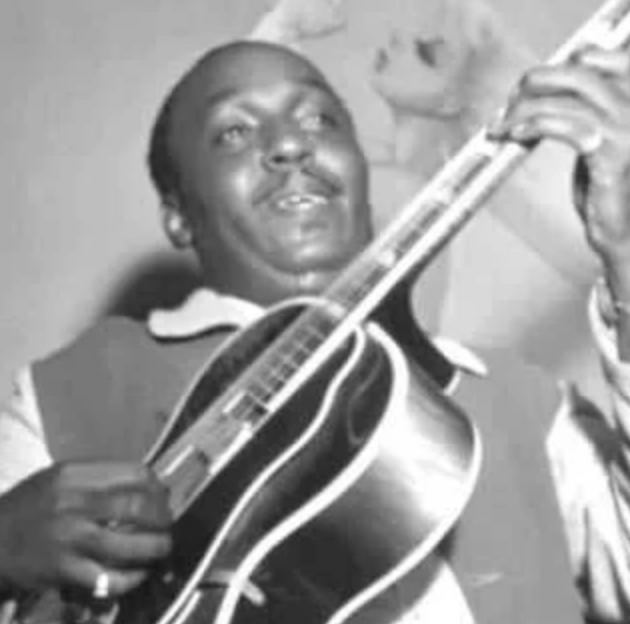
Al Casey’s Spotify BioRenowned for his long collaboration with Fats Waller, Al Casey towers alongside the finest acoustic guitarists of the swing era, boasting a subtly powerful presence that flourished in intimate musical contexts. Born September 15, 1915, in Louisville, KY, Casey was a child prodigy who first adopted the violin, briefly moving to the ukulele before zeroing in on the guitar, which he studied at New York City's DeWitt Clinton High School. He joined Waller while in his mid-teens, recommended to the legendary pianist by his uncles, who met Waller while on tour with their gospel group the Southern Singers. Waller insisted Casey remain in school and earn his diploma before he could join the group full-time, but the guitarist was a fixture of recording sessions from the early '30s onward, and even joined Waller on tour during extended holiday breaks. Casey remained with the group until Waller's 1943 death, appearing on more than 200 classic swing sides; the famous blues number "Buck Jumpin'"… took shape after Casey appeared late to a gig, prompting Waller to single him out on-stage and invite him to play a solo. The result was so electrifying that it was later captured in the studio.
Casey also recorded with trumpeter Louis Armstrong, singer Billie Holiday, vibist Lionel Hampton, and pianist Teddy Wilson, even joining the latter's short-lived big band in 1939. After Waller's passing, he played with pianist Clarence Profit's trio before assembling his own trio, which headlined New York's Onyx Club for close to a year before moving to the Down Beat. Around this time Casey moved to the electric guitar, and in both 1944 and 1945 he was named the instrument's top player in Esquire magazine's annual jazz poll; he spent much of the decade to follow as a gun-for-hire, capped off by a four-year collaboration with R&B saxophonist King Curtis initiated in 1957. Casey briefly retired from music in 1961, working in a Xerox copy shop before returning to performing, recording sessions in support of singer Helen Humes and pianist Jay McShann. After another extended period of retirement, he resurfaced in 1981 with the Harlem Jazz and Blues Band, which remained his primary vehicle for the next two decades; in 1994, he also cut his first headlining date, signing to the Jazzpoint label for A Tribute to "Fats". After a long battle with colon cancer, Casey died on September 11, 2005, just days short of his 90th birthday. ~ Jason Ankeny, Rovi
Viberate is a music analytics platform built for A&Rs, artist managers, labels, booking agents, marketers, and artists.
It helps music professionals track artist growth, analyze audience data, monitor playlist activity, compare artists, follow song performance, and identify opportunities across the music market.
Public artist pages provide a free preview of selected artist data. Paid plans provide access to deeper analytics, historical data, charts, comparisons, playlist tools, exports, alerts, reports, and additional professional features.
Yes. Public Viberate artist pages provide selected artist analytics and music data for free.
Viberate also offers a 7-day free trial of the full platform. A credit card is required to start the trial. The trial includes access to the complete product so users can test deeper artist analytics, historical views, playlist insights, comparisons, charts, exports, alerts, and reporting features before choosing a paid plan.
Viberate provides artist analytics across streaming, playlists, social media, video, radio airplay, songs, and audience markets.
Users can analyze Spotify performance, Spotify and Apple Music playlists, YouTube activity, TikTok and Instagram growth, radio spins, song performance, audience locations, demographics, rankings, and overall artist momentum.
Artist profiles also connect to music charts, similar artists, and comparison tools, helping users benchmark performance and evaluate artists in context.
Viberate updates key artist and track data daily.
For followed artists and tracks, selected data is refreshed multiple times per day. This helps teams monitor playlist changes, streaming movement, audience growth, releases, and campaign performance with more current data.
Update frequency can vary depending on the metric and data source.
Yes. Viberate lets users compare up to five artists side by side across streaming, social media, audience, and engagement metrics.
Users can compare fanbase growth, audience demographics, locations, Spotify performance, social metrics, and other artist data over selected time periods.
Artist comparison can be used for A&R scouting, benchmarking, booking decisions, campaign planning, and evaluating artists with similar audiences or market positions.


