Akimbo

Punk
Hardcore Punk
Noise Rock
 Viberate Rank: 408886
 Viberate Rank: 408886
 Monthly ListenersFollowers
 Subscribers
 Followers
 Followers
 FansTop Spotify Songs
| Track | 7-Day Streams | |
|---|---|---|
1 | 786 | |
2 | 43 | |
3 | 33 | |
4 | 16 | |
5 | 16 |
Top YouTube VideosMonthly ListenersFeatured in Playlists| Playlist | Followers | |
|---|---|---|
1 |  I Love My 90s Funk Spotify | 124.52K |
2 |  Acid Jazz Funk Kris Leenaers | 17.33K |
3 | locking music MengLun Wu | 9.63K |
4 |  The Sound of Noise Rock The Sounds of Spotify | 6.06K |
5 |  Acid Jazz - the funky jazz sound of the 90's Danjel Andersson | 5.19K |
Audience| City | Monthly Listeners | |
|---|---|---|
1 |  | 39 |
2 |  | 29 |
3 |  | 28 |
4 |  | 25 |
5 | | 25 |
See full performance history, audience data, playlist activity, rankings, comparisons, and more in Viberate music analytics. Start with a free trial, then continue with a paid plan.
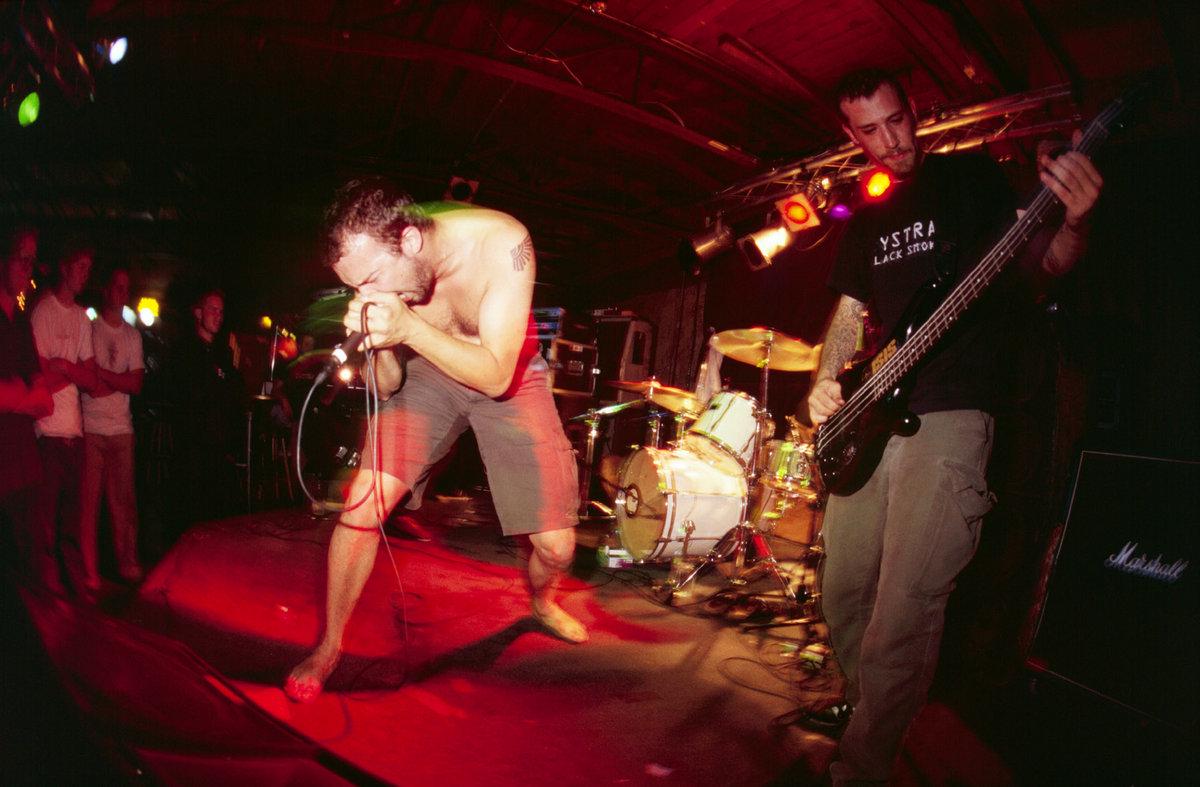
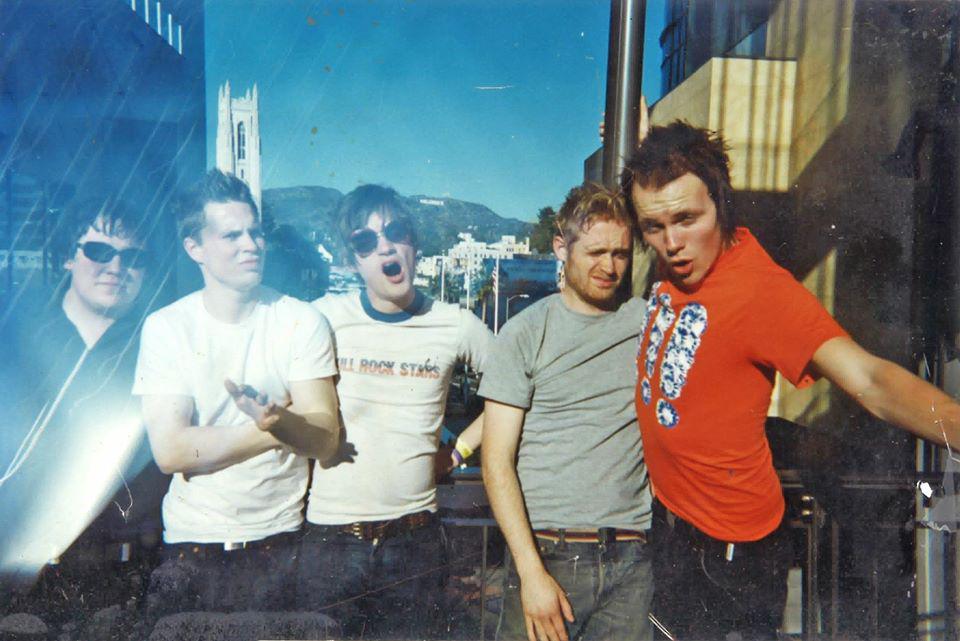
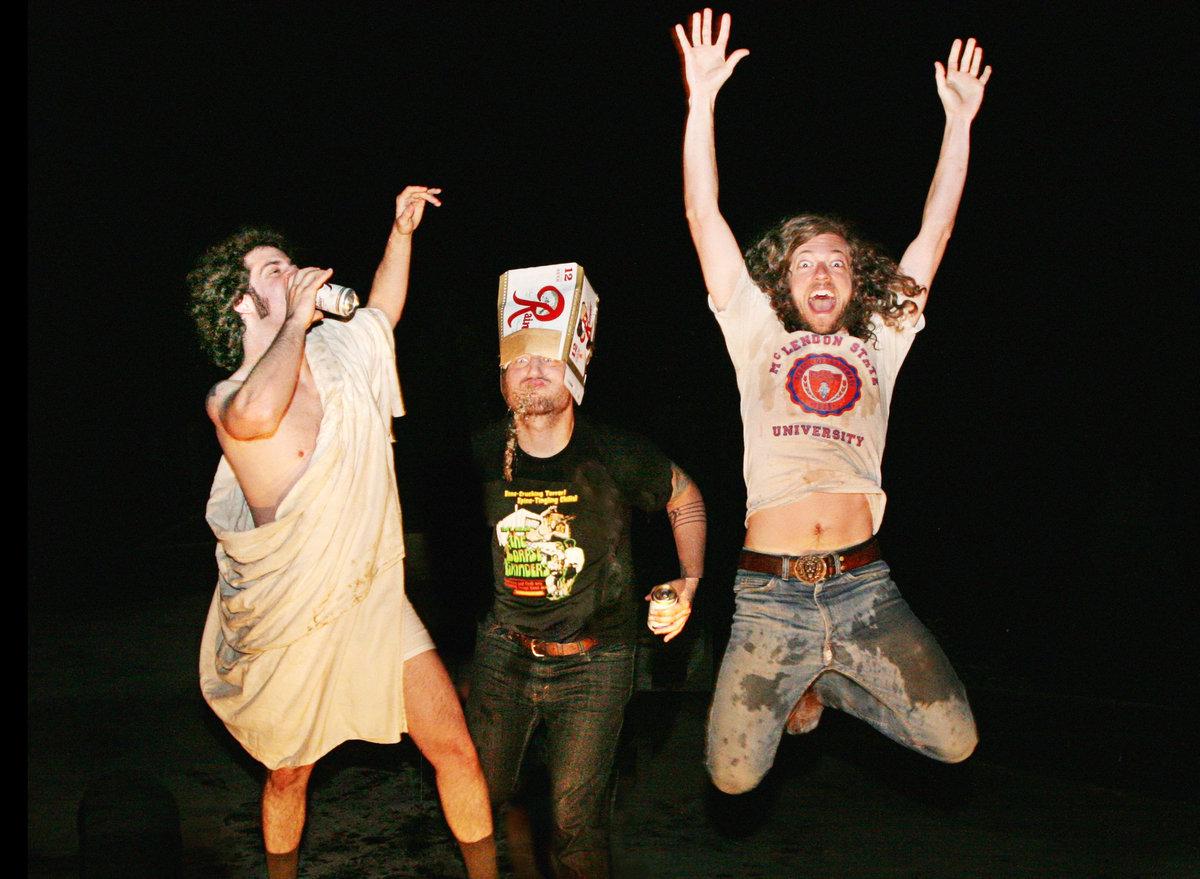
Akimbo’s Spotify BioFollowing the band's inception in the late '90s, Seattle hardcore unit Akimbo took to the road, relentlessly touring the country over the years and leaving a path of destruction in its wake. The band -- comprised of Jared Burke Eglington (guitar), Jon Weisnewski (bass/vocals), and Nat Damm (drums) -- credited the thunderous intensity and sonic explosion of its music to influences ranging from the classic rock of Black Sabbath and Led Zeppelin to the attitudes of Black Flag and the Melvins. Working with various labels over the course of about five years, Akimbo issued four releases -- Army of Evil Robots Programmed for Human Destruction 7", Harshing Your Mellow, City of the Stars, and Elephantine. Early 2006 found the hard-working band issuing its fifth ruthless album, Forging Steel and Laying Stone, through its new home at Alternative Tentacles; the record featured second guitarist Patrick Cunningham. Touring followed the release, including dates supporting Plot to Blow Up the Eiffel… Tower. Out of print since its original 2001 release, Harshing Your Mellow was later reissued in February 2007 and the band (now down to trio status with Aaron Walters handling guitar) supported it with more rounds of shows. That September, Alternative Tentacles released the band's heaviest record to date, Navigating the Bronze. ~ Corey Apar, Rovi
Viberate is a music analytics platform built for A&Rs, artist managers, labels, booking agents, marketers, and artists.
It helps music professionals track artist growth, analyze audience data, monitor playlist activity, compare artists, follow song performance, and identify opportunities across the music market.
Public artist pages provide a free preview of selected artist data. Paid plans provide access to deeper analytics, historical data, charts, comparisons, playlist tools, exports, alerts, reports, and additional professional features.
Yes. Public Viberate artist pages provide selected artist analytics and music data for free.
Viberate also offers a 7-day free trial of the full platform. A credit card is required to start the trial. The trial includes access to the complete product so users can test deeper artist analytics, historical views, playlist insights, comparisons, charts, exports, alerts, and reporting features before choosing a paid plan.
Viberate provides artist analytics across streaming, playlists, social media, video, radio airplay, songs, and audience markets.
Users can analyze Spotify performance, Spotify and Apple Music playlists, YouTube activity, TikTok and Instagram growth, radio spins, song performance, audience locations, demographics, rankings, and overall artist momentum.
Artist profiles also connect to music charts, similar artists, and comparison tools, helping users benchmark performance and evaluate artists in context.
Viberate updates key artist and track data daily.
For followed artists and tracks, selected data is refreshed multiple times per day. This helps teams monitor playlist changes, streaming movement, audience growth, releases, and campaign performance with more current data.
Update frequency can vary depending on the metric and data source.
Yes. Viberate lets users compare up to five artists side by side across streaming, social media, audience, and engagement metrics.
Users can compare fanbase growth, audience demographics, locations, Spotify performance, social metrics, and other artist data over selected time periods.
Artist comparison can be used for A&R scouting, benchmarking, booking decisions, campaign planning, and evaluating artists with similar audiences or market positions.