Afterlife

Metal
Alternative Metal
Metalcore/Deathcore
 Viberate Rank: 63067
 Viberate Rank: 63067
 Monthly ListenersFollowers
 Subscribers
 Followers
 Followers
 FansTop Spotify Songs
| Track | 7-Day Streams | |
|---|---|---|
1 | 33.05K | |
2 | 32.64K | |
3 | 17.65K | |
4 | 14.34K | |
5 | 12.93K |
Top YouTube VideosMonthly ListenersFeatured in Playlists| Playlist | Followers | |
|---|---|---|
1 |  All New Rock Spotify | 959.85K |
2 |  The Core Spotify | 944.44K |
3 |  All New Metal Spotify | 812.45K |
4 |  Hard Rock Spotify | 454.87K |
5 |  new nü Spotify | 135.92K |
Audience| City | Monthly Listeners | |
|---|---|---|
1 |  | 2.46K |
2 | | 2.34K |
3 | | 2.25K |
4 | | 2.22K |
5 |  | 1.99K |
See full performance history, audience data, playlist activity, rankings, comparisons, and more in Viberate music analytics. Start with a free trial, then continue with a paid plan.
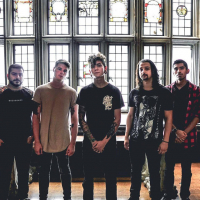
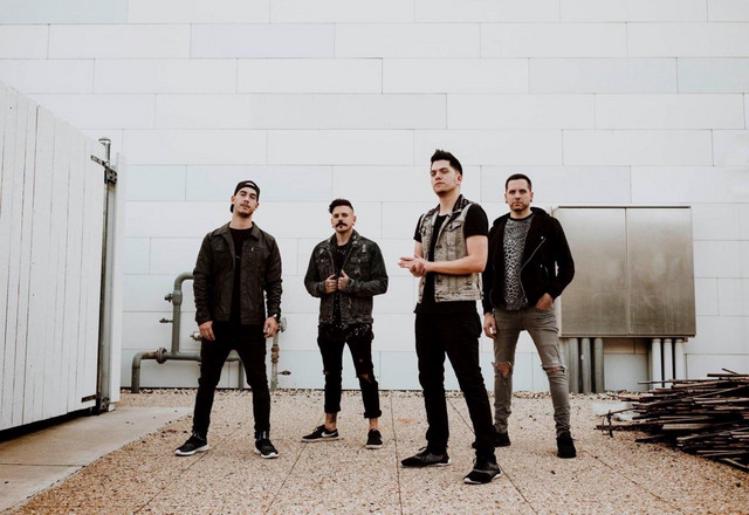
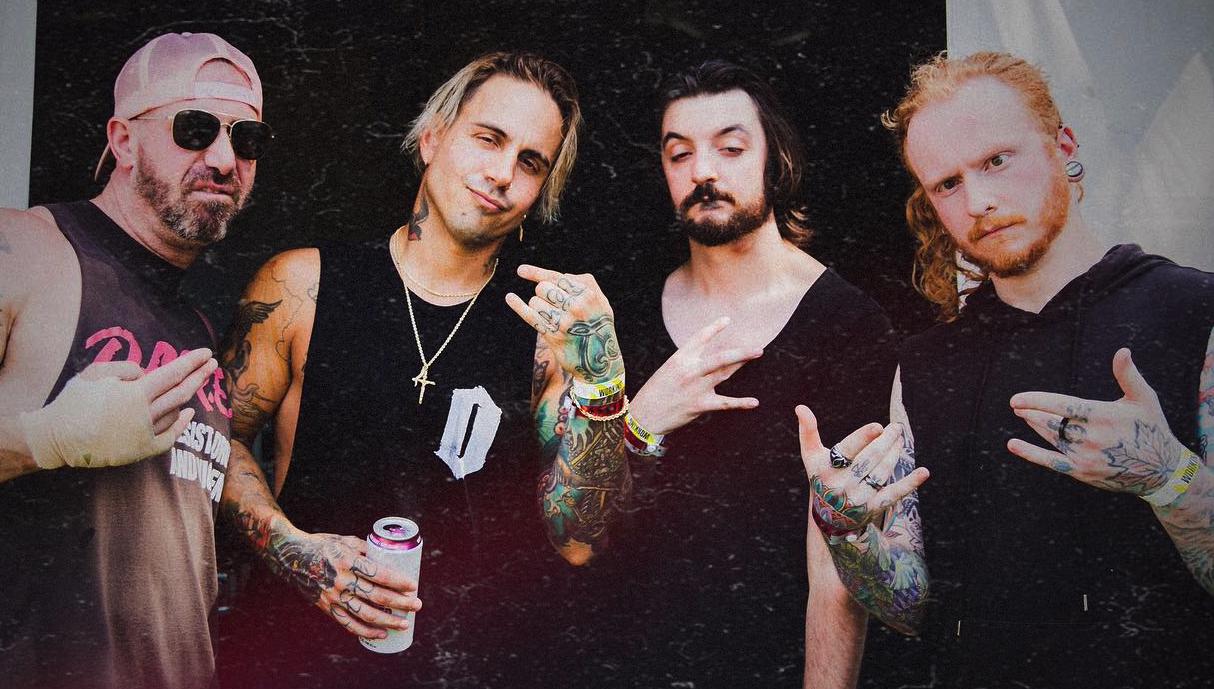
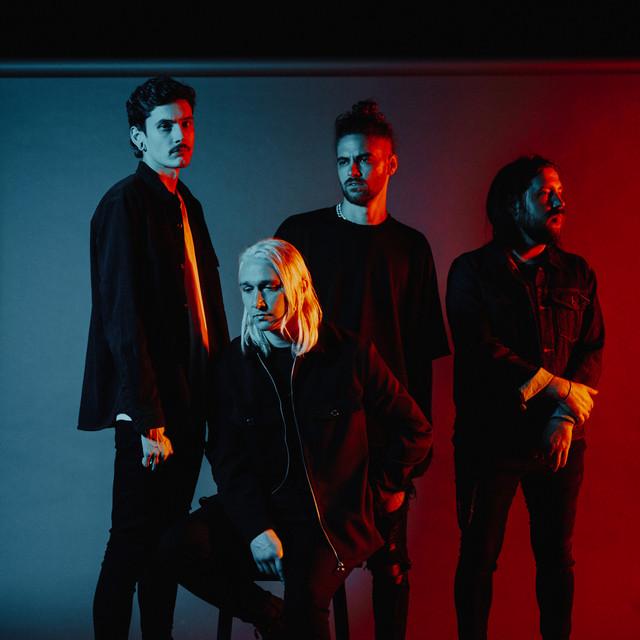
Afterlife’s Spotify BioAfterlife have always found light in the darkest spaces and drawn strength from pain. Since coming together in 2017, the West Palm Beach, FL quartet—Tyler Levenson [vocals], Andrew McGuire [guitar], Luke Walkinshaw [drums], and Tristan Edwards [bass]—have struck a nerve by exploring real-life trials and tribulations through an unfiltered and unapologetic lens. Blending vibes with fluidity, finesse, and fire, they threaded blunt honesty into incisive hard rock accented by elements of intricate heavy metal and inventive hip-hop. Following a turbulent childhood, Tyler eventually found his tribe when he met Andrew and Luke via the local scene. Cementing the core of Afterlife, they dropped the Vicious Cycle EP [2017]. Catalyzing their momentum, they hit the studio with producer Zakk Cervini [Bring Me The Horizon, Bad Omens, Poppy] and dropped their debut album Breaking Point [2019]. They evolved once again with the full-length Part of Me [2021]. They’ve notably shared stages with Ice… Nine Kills, From Ashes To New, and Bury Tomorrow in addition to igniting Welcome To Rockville, Louder Than Life, and Shiprocked! In 2024, the band independently released their single "Bleed You Dry,” opening the door to TikTok virality. Moreover, “Bleed You Dry” quickly piled up north of 15 million collective streams and views. Nearly a decade of writing songs together and connecting with audiences from the stage now empowered the musicians to cut even deeper on their next album release.
Viberate is a music analytics platform built for A&Rs, artist managers, labels, booking agents, marketers, and artists.
It helps music professionals track artist growth, analyze audience data, monitor playlist activity, compare artists, follow song performance, and identify opportunities across the music market.
Public artist pages provide a free preview of selected artist data. Paid plans provide access to deeper analytics, historical data, charts, comparisons, playlist tools, exports, alerts, reports, and additional professional features.
Yes. Public Viberate artist pages provide selected artist analytics and music data for free.
Viberate also offers a 7-day free trial of the full platform. A credit card is required to start the trial. The trial includes access to the complete product so users can test deeper artist analytics, historical views, playlist insights, comparisons, charts, exports, alerts, and reporting features before choosing a paid plan.
Viberate provides artist analytics across streaming, playlists, social media, video, radio airplay, songs, and audience markets.
Users can analyze Spotify performance, Spotify and Apple Music playlists, YouTube activity, TikTok and Instagram growth, radio spins, song performance, audience locations, demographics, rankings, and overall artist momentum.
Artist profiles also connect to music charts, similar artists, and comparison tools, helping users benchmark performance and evaluate artists in context.
Viberate updates key artist and track data daily.
For followed artists and tracks, selected data is refreshed multiple times per day. This helps teams monitor playlist changes, streaming movement, audience growth, releases, and campaign performance with more current data.
Update frequency can vary depending on the metric and data source.
Yes. Viberate lets users compare up to five artists side by side across streaming, social media, audience, and engagement metrics.
Users can compare fanbase growth, audience demographics, locations, Spotify performance, social metrics, and other artist data over selected time periods.
Artist comparison can be used for A&R scouting, benchmarking, booking decisions, campaign planning, and evaluating artists with similar audiences or market positions.