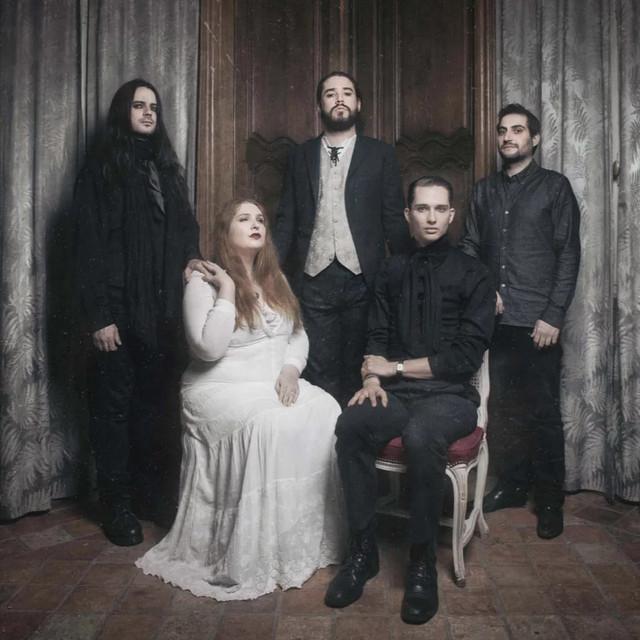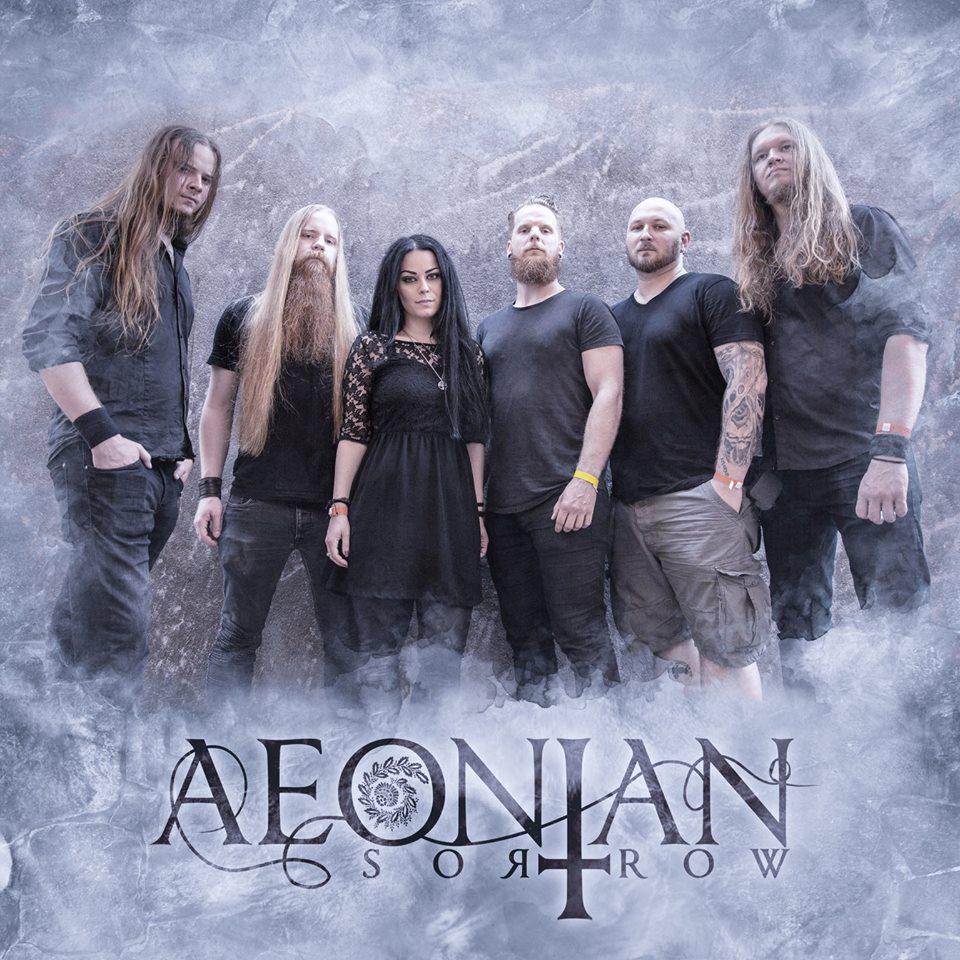
Aeonian Sorrow

Metal
Doom/Sludge Metal
 Viberate Rank: 164646
 Viberate Rank: 164646
 Monthly ListenersFollowers
 Subscribers
 Followers
 Followers
 FansTop Spotify Songs
| Track | 7-Day Streams | |
|---|---|---|
1 | 1.05K | |
2 | 1.05K | |
3 | 808 | |
4 | 693 | |
5 | 594 |
Top YouTube Videos| Video | 7-Day Views | |
|---|---|---|
1 | 1.40K | |
2 | 296 | |
3 | 254 | |
4 | 143 | |
5 | 123 |
Monthly ListenersFeatured in Playlists| Playlist | Followers | |
|---|---|---|
1 |  Funeral Doom Metal Godrik | 8.53K |
2 |  Gothic / Dark / Doom Metal x505Metalheadx | 5.39K |
3 | Gothic Doom Draconian | 4.99K |
4 |  Gothic Metal for Dark Moments GA | 4.73K |
5 |  Best of Doom Metal Dr. Doom | 4.29K |
Audience| City | Monthly Listeners | |
|---|---|---|
1 |  | 194 |
2 |  | 104 |
3 |  | 91 |
4 | | 88 |
5 |  | 82 |
See full performance history, audience data, playlist activity, rankings, comparisons, and more in Viberate music analytics. Start with a free trial, then continue with a paid plan.
Aeonian Sorrow’s Spotify BioAEONIAN SORROW is a Greek-Finnish melodic doom metal band formed in September 2015 by the Greek singer-songwriter Gogo Melone. With their heavy melancholic and cathartic music, often described as a blend of heavy soundscape with contrasting vocals, they explore themes of eternal sorrow and human inner suffering in a confronting way, providing a comforting hope to their audience. The band features musicians from both Finland and Greece and they have released a number of albums that have established them within the modern doom metal scene, earning recognition for their emotional depth and powerful vocal delivery.
Since their debut full-length album "Into the Eternity a Moment We Are" in 2018, the band has continued to evolve their sound while maintaining their signature balance between crushing heaviness and fragile melodic passages. Their later works, including "A Life Without"(2020), "Katara" (2023) and "From The Shadows" (2025) further expanded their musical palette with richer… arrangements and continues to built a reputation for music that channels grief, loss and introspection into immersive and emotionally resonant compositions.
Viberate is a music analytics platform built for A&Rs, artist managers, labels, booking agents, marketers, and artists.
It helps music professionals track artist growth, analyze audience data, monitor playlist activity, compare artists, follow song performance, and identify opportunities across the music market.
Public artist pages provide a free preview of selected artist data. Paid plans provide access to deeper analytics, historical data, charts, comparisons, playlist tools, exports, alerts, reports, and additional professional features.
Yes. Public Viberate artist pages provide selected artist analytics and music data for free.
Viberate also offers a 7-day free trial of the full platform. A credit card is required to start the trial. The trial includes access to the complete product so users can test deeper artist analytics, historical views, playlist insights, comparisons, charts, exports, alerts, and reporting features before choosing a paid plan.
Viberate provides artist analytics across streaming, playlists, social media, video, radio airplay, songs, and audience markets.
Users can analyze Spotify performance, Spotify and Apple Music playlists, YouTube activity, TikTok and Instagram growth, radio spins, song performance, audience locations, demographics, rankings, and overall artist momentum.
Artist profiles also connect to music charts, similar artists, and comparison tools, helping users benchmark performance and evaluate artists in context.
Viberate updates key artist and track data daily.
For followed artists and tracks, selected data is refreshed multiple times per day. This helps teams monitor playlist changes, streaming movement, audience growth, releases, and campaign performance with more current data.
Update frequency can vary depending on the metric and data source.
Yes. Viberate lets users compare up to five artists side by side across streaming, social media, audience, and engagement metrics.
Users can compare fanbase growth, audience demographics, locations, Spotify performance, social metrics, and other artist data over selected time periods.
Artist comparison can be used for A&R scouting, benchmarking, booking decisions, campaign planning, and evaluating artists with similar audiences or market positions.