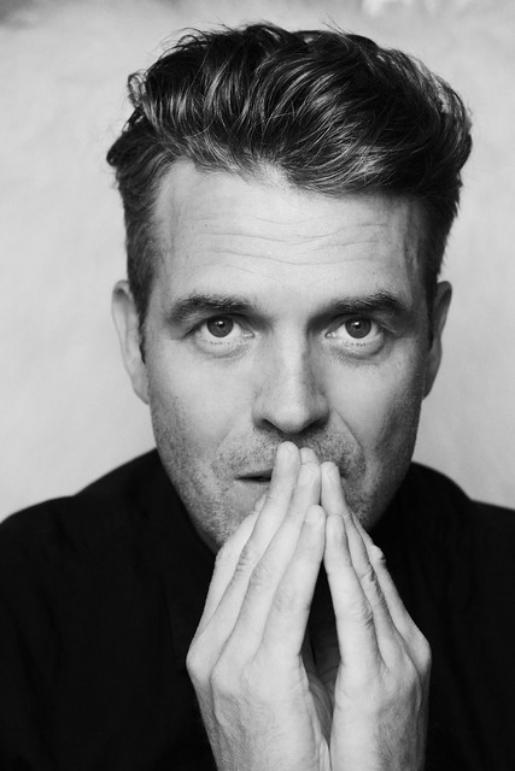
Adrian Utley

Rock
Alternative Rock
Other Electronic Music
 Viberate Rank: 366027
 Viberate Rank: 366027
 Monthly ListenersFollowers
 Subscribers
 Followers
 Followers
 FansTop Spotify Songs
| Track | 7-Day Streams | |
|---|---|---|
1 | 12.20K | |
2 | 248 | |
3 | 64 | |
4 | 46 | |
5 | 24 |
Top YouTube VideosMonthly ListenersFeatured in Playlists| Playlist | Followers | |
|---|---|---|
1 |  This Is Portishead Spotify | 104.13K |
2 |  1990s Retrogamer PlayStation®️ | 23.38K |
3 |  Living In My Headphones James Lavelle (UNKLE) | 16.04K |
4 |  Cillian Murphy BBC 6 Mixtape All Volumes Abbey1208 | 10.91K |
5 |  cillian murphy's bbc recommends sandy | 10.06K |
Audience| City | Monthly Listeners | |
|---|---|---|
1 |  | 1.27K |
2 |  | 894 |
3 |  | 679 |
4 | | 435 |
5 | | 425 |
See full performance history, audience data, playlist activity, rankings, comparisons, and more in Viberate music analytics. Start with a free trial, then continue with a paid plan.
Adrian Utley’s Spotify BioBest known as a member of Portishead, guitarist and producer Adrian Utley has also recorded under various names and participated in several recorded and live collectives, such as the occasional This I Dig, Stonephace, Adrian Utley & Mount Vernon Arts Lab, and Adrian Utley's Guitar Orchestra. Utley was originally a jazz guitarist, performing in organist Big John Patton's touring band and also with a late edition of Art Blakey's Jazz Messengers -- one of the few guitarists ever to do so.
In 1991 he met producer/engineer/musician Geoff Barrow and singer Beth Gibbons, and the three began writing together and became Portishead. They enlisted a fourth member, engineer and drummer Dave MacDonald, and the group's debut album, Dummy, appeared in 1994. They released a second, self-titled studio offering and the live PNYC before going on hiatus in 1999.
Utley and his bandmates pursued individual projects. He produced the Flanagan-Ingham Quartet's Textile Lunch album in 2000, and played on and… co-produced Gibbons and Paul Webb's (aka Rustin Man) album Out of Season in 2002. That same year, he and Barrow released a cover of the rock classic "Apache" as Jimi Entley Sound. The pair also took on the moniker Fuzzface to co-produce singer Stephanie McKay's 2003 album, McKay. In 2005, they helmed the sessions for the Coral's Invisible Invasion album.
In 2005, Portishead reconvened and contributed the track "Un Jour Comme un Autre (Requiem for Anna)" to the 2006 Serge Gainsbourg tribute album Monsieur Gainsbourg: Revisited. The group's next full-length, Third, appeared in 2008. In 2009, Utley collaborated with notable musicians Larry Stabbins, Jim Barr, Helm DeVegas, and DJ Krzysztof Oktalski as Stonephace. The collective issued a self-titled genre-defying meld of jazz, world music, and electronica on Tru Thoughts in 2009. In 2012, Utley formed Adrian Utley's Guitar Orchestra in order to perform Terry Riley's 1964 minimalist masterpiece In C for special occasions. The group was composed of 24 musicians, including 19 guitarists (Barr, Thought Forms, and John Parish included), four organs, and a bass clarinet. Their recorded version of the work appeared in October of 2013.
Viberate is a music analytics platform built for A&Rs, artist managers, labels, booking agents, marketers, and artists.
It helps music professionals track artist growth, analyze audience data, monitor playlist activity, compare artists, follow song performance, and identify opportunities across the music market.
Public artist pages provide a free preview of selected artist data. Paid plans provide access to deeper analytics, historical data, charts, comparisons, playlist tools, exports, alerts, reports, and additional professional features.
Yes. Public Viberate artist pages provide selected artist analytics and music data for free.
Viberate also offers a 7-day free trial of the full platform. A credit card is required to start the trial. The trial includes access to the complete product so users can test deeper artist analytics, historical views, playlist insights, comparisons, charts, exports, alerts, and reporting features before choosing a paid plan.
Viberate provides artist analytics across streaming, playlists, social media, video, radio airplay, songs, and audience markets.
Users can analyze Spotify performance, Spotify and Apple Music playlists, YouTube activity, TikTok and Instagram growth, radio spins, song performance, audience locations, demographics, rankings, and overall artist momentum.
Artist profiles also connect to music charts, similar artists, and comparison tools, helping users benchmark performance and evaluate artists in context.
Viberate updates key artist and track data daily.
For followed artists and tracks, selected data is refreshed multiple times per day. This helps teams monitor playlist changes, streaming movement, audience growth, releases, and campaign performance with more current data.
Update frequency can vary depending on the metric and data source.
Yes. Viberate lets users compare up to five artists side by side across streaming, social media, audience, and engagement metrics.
Users can compare fanbase growth, audience demographics, locations, Spotify performance, social metrics, and other artist data over selected time periods.
Artist comparison can be used for A&R scouting, benchmarking, booking decisions, campaign planning, and evaluating artists with similar audiences or market positions.