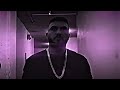
Adon The One

Hip Hop
Contemporary Hip Hop
 Viberate Rank: 661663
 Viberate Rank: 661663
 Monthly ListenersFollowers
 Subscribers
 Followers
 Followers
 FansTop Spotify Songs
| Track | 7-Day Streams | |
|---|---|---|
1 | 117 | |
2 | 107 | |
3 | 93 | |
4 | 63 | |
5 | 10 |
Top YouTube VideosMonthly ListenersFeatured in Playlists| Playlist | Followers | |
|---|---|---|
1 |  ALBANIAN HITS🇽🇰🇦🇱 I ALBANIAN MUSIC Nautilus EU | 36.28K |
2 |  Hitet e reja shqip 2026 Nautilus Click | 15.89K |
3 |  Hitet Shqip 2026 Nautilus Click | 11.79K |
4 |  HITE SHQIP 2026 Nautilus Click | 5.61K |
Audience| City | Monthly Listeners | |
|---|---|---|
1 |  | 85 |
2 |  | 52 |
3 |  | 52 |
4 |  | 45 |
5 | | 43 |
See full performance history, audience data, playlist activity, rankings, comparisons, and more in Viberate music analytics. Start with a free trial, then continue with a paid plan.
Adon The One’s Spotify BioAdon The One (A.T.1, Ado1)
Origin Story
Adon The One (Real name:John Mark aka Gjon Marku, Ado1 and A.T.1) is an Albanian-American rapper, poet, singer, and songwritter. He was born in Rubik, Albania, in the district of Mirditë where he lived as a child until moving to the United States at the age of 10.
His parent's were middle class Albanian migrants who were forced to flee to the US. due to armed civil unrest during 1996 and 1997 riots.
Ado1 went to middle school in Cleveland Ohio before moving to NYC to graduate from Christopher Columbus High School and New York University.
AT1 grew up in NY to the sound of poetry and hip hop. Apart from creating good music, Ado1 is oriented toward raising awareness for people with depression and mental illness.
Early Influences
AT1 grew up around music and poetry from the age of 7. After moving to Cleveland, he fell in love with hip hop. He began rapping routinely in popular freestyle gatherings while attending High School.
His early musical influences… include Ilir Shaqiri, 2Pac, Biggie, Mobb Deep, Dr Dre, Snoop Dog, Big L, Eminem, 50 Cent, and Lil Wayne.
Later influences include Kenye West, Drake, Pop Smoke, Dax, Teddy Swims.
Signature Style
Adon The One is a Rapper who can sing. His style is emotional and goose bump provoking as he aims to captivate the audience using real life stories and obstacles of everyday people. His style is dark and metaphorical but with some upbeat party tracks to follow.
Viberate is a music analytics platform built for A&Rs, artist managers, labels, booking agents, marketers, and artists.
It helps music professionals track artist growth, analyze audience data, monitor playlist activity, compare artists, follow song performance, and identify opportunities across the music market.
Public artist pages provide a free preview of selected artist data. Paid plans provide access to deeper analytics, historical data, charts, comparisons, playlist tools, exports, alerts, reports, and additional professional features.
Yes. Public Viberate artist pages provide selected artist analytics and music data for free.
Viberate also offers a 7-day free trial of the full platform. A credit card is required to start the trial. The trial includes access to the complete product so users can test deeper artist analytics, historical views, playlist insights, comparisons, charts, exports, alerts, and reporting features before choosing a paid plan.
Viberate provides artist analytics across streaming, playlists, social media, video, radio airplay, songs, and audience markets.
Users can analyze Spotify performance, Spotify and Apple Music playlists, YouTube activity, TikTok and Instagram growth, radio spins, song performance, audience locations, demographics, rankings, and overall artist momentum.
Artist profiles also connect to music charts, similar artists, and comparison tools, helping users benchmark performance and evaluate artists in context.
Viberate updates key artist and track data daily.
For followed artists and tracks, selected data is refreshed multiple times per day. This helps teams monitor playlist changes, streaming movement, audience growth, releases, and campaign performance with more current data.
Update frequency can vary depending on the metric and data source.
Yes. Viberate lets users compare up to five artists side by side across streaming, social media, audience, and engagement metrics.
Users can compare fanbase growth, audience demographics, locations, Spotify performance, social metrics, and other artist data over selected time periods.
Artist comparison can be used for A&R scouting, benchmarking, booking decisions, campaign planning, and evaluating artists with similar audiences or market positions.