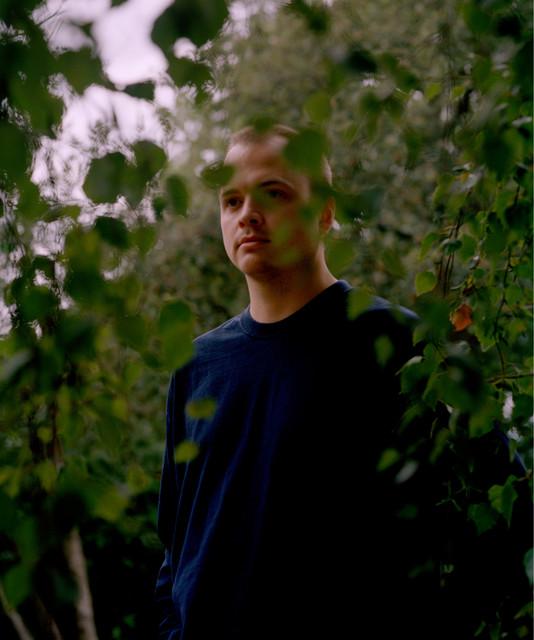
Addison Groove

Electronic
House
Other Electronic Music
 Viberate Rank: 117942
 Viberate Rank: 117942
 Monthly ListenersFollowers
 Subscribers
 Followers
 Followers
 FansTop Spotify Songs
| Track | 7-Day Streams | |
|---|---|---|
1 | 1.90K | |
2 | 970 | |
3 | 780 | |
4 | 740 | |
5 | 706 |
Top YouTube Videos| Video | 7-Day Views | |
|---|---|---|
1 | 1.14K | |
2 | 201 | |
3 | 120 | |
4 | 90 | |
5 | 63 |
Monthly ListenersFeatured in Playlists| Playlist | Followers | |
|---|---|---|
1 |  303 Classics Spotify | 154.73K |
2 |  Played by Jamie xx Jamie xx | 96.26K |
3 |  Jazz Funk & Groove Guillermo Lanzani Lagomarsino | 36.07K |
4 |  ⭕ FEEL MY BICEP PLAYLIST ⭕ Bicep | 35.05K |
5 |  SHERELLE's track IDs Spotify | 33.71K |
Audience| City | Monthly Listeners | |
|---|---|---|
1 | | 1.34K |
2 |  | 634 |
3 |  | 455 |
4 | | 427 |
5 |  | 383 |
See full performance history, audience data, playlist activity, rankings, comparisons, and more in Viberate music analytics. Start with a free trial, then continue with a paid plan.
Addison Groove’s Spotify BioBristol-based producer Addison Groove (Antony Williams) played a significant role in introducing Chicago's juke/footwork scene to the U.K. bass music continuum, and helped solidify the connection between the two, particularly through the 2010 single "Footcrab" and collaborations with footwork pioneer DJ Rashad.
Williams had previously achieved significant success in the dubstep scene for his work under the name Headhunter, having released numerous singles and a full-length on Tempa, one of the genre's leading labels. However, once he heard the hyperkinetic beats and rapid-fire samples of footwork, he began reframing those elements in a dubstep context, slowing the beats down a bit and airing them out, making the tracks a bit more DJ-friendly. The first result was "Footcrab," which was released by Loefah's Swamp 81 label during the first half of 2010 and instantly became a massive underground hit. Subsequent singles, including releases on 3024 and Tectonic, incorporated influences such… as electro and acid house.
By the end of 2011, Addison Groove had signed to Modeselektor's 50 Weapons imprint. A cryptic one-sided 7" single titled "Addison Locked Groove," a single track that lasted one minute and 11 seconds, was released on 11/11/11. The debut full-length Transistor Rhythm, which featured collaborations with Mark Pritchard (fresh from his footwork-influenced Africa Hitech project) and Spank Rock, arrived in 2012. This was followed by Adventures in Rainbow Country, an EP including the popular club track "I Go Boom," which was subsequently remixed by Chicago footwork pioneer DJ Rashad. The year 2013 brought collaborations with Sam Binga (BS3 EP) and Bristol drum'n'bass veteran DJ Die (Keyhole). Both artists contributed to the second Addison Groove album, James Grieve, which appeared in early 2014. Later in the year, Williams released Turn Up the Silence, an EP that featured "U Been Gone," a collaboration with DJ Rashad, whose life tragically came to an end several months before the EP's release.
Addison Groove shared a split 12" with Errorsmith as part of 50 Weapons' final run of releases in 2015. He also began releasing singles on his own label, including a 12" of "Footcrab" edits, and collaborated with DJ Die once more, on 2016's Legion of Boom EP. The African-influenced Changa EP, a 12" of remixes of the EP track "Shango," and another collaboration with Binga, Where Are the People, were all released in 2017. Full-length Fred Neutron, a collision of footwork, jungle, and acid, was released by Gutterfunk in 2020. ~ Paul Simpson, Rovi
Viberate is a music analytics platform built for A&Rs, artist managers, labels, booking agents, marketers, and artists.
It helps music professionals track artist growth, analyze audience data, monitor playlist activity, compare artists, follow song performance, and identify opportunities across the music market.
Public artist pages provide a free preview of selected artist data. Paid plans provide access to deeper analytics, historical data, charts, comparisons, playlist tools, exports, alerts, reports, and additional professional features.
Yes. Public Viberate artist pages provide selected artist analytics and music data for free.
Viberate also offers a 7-day free trial of the full platform. A credit card is required to start the trial. The trial includes access to the complete product so users can test deeper artist analytics, historical views, playlist insights, comparisons, charts, exports, alerts, and reporting features before choosing a paid plan.
Viberate provides artist analytics across streaming, playlists, social media, video, radio airplay, songs, and audience markets.
Users can analyze Spotify performance, Spotify and Apple Music playlists, YouTube activity, TikTok and Instagram growth, radio spins, song performance, audience locations, demographics, rankings, and overall artist momentum.
Artist profiles also connect to music charts, similar artists, and comparison tools, helping users benchmark performance and evaluate artists in context.
Viberate updates key artist and track data daily.
For followed artists and tracks, selected data is refreshed multiple times per day. This helps teams monitor playlist changes, streaming movement, audience growth, releases, and campaign performance with more current data.
Update frequency can vary depending on the metric and data source.
Yes. Viberate lets users compare up to five artists side by side across streaming, social media, audience, and engagement metrics.
Users can compare fanbase growth, audience demographics, locations, Spotify performance, social metrics, and other artist data over selected time periods.
Artist comparison can be used for A&R scouting, benchmarking, booking decisions, campaign planning, and evaluating artists with similar audiences or market positions.