Addict

Rock
Alternative Rock
Indie Rock
 Viberate Rank: 469133
 Viberate Rank: 469133
 Monthly ListenersFollowers
 Subscribers
 Followers
 Followers
 FansTop Spotify Songs
| Track | 7-Day Streams | |
|---|---|---|
1 | 849 | |
2 | 86 | |
3 | 55 | |
4 | 42 | |
5 | 23 |
Top YouTube VideosMonthly ListenersFeatured in Playlists| Playlist | Followers | |
|---|---|---|
1 | 120 Minutes full Archive frankspin | 7.87K |
2 |  Obscure Rare And Forgotten 90's Alternative, Rock, Metal, And Grunge Deep Cuts Rick Plant | 5.01K |
3 |  Roswell Soundtrack fannybanny1 | 4.56K |
4 |  New Wave Of Thrash Metal Andrew Saalmann | 4.41K |
5 |  Buffy - The Bronze 🩸🩸🩸 ZOMB | 4.41K |
Audience| City | Monthly Listeners | |
|---|---|---|
1 |  | 30 |
2 |  | 28 |
3 |  | 27 |
4 | | 25 |
5 |  | 25 |
See full performance history, audience data, playlist activity, rankings, comparisons, and more in Viberate music analytics. Start with a free trial, then continue with a paid plan.
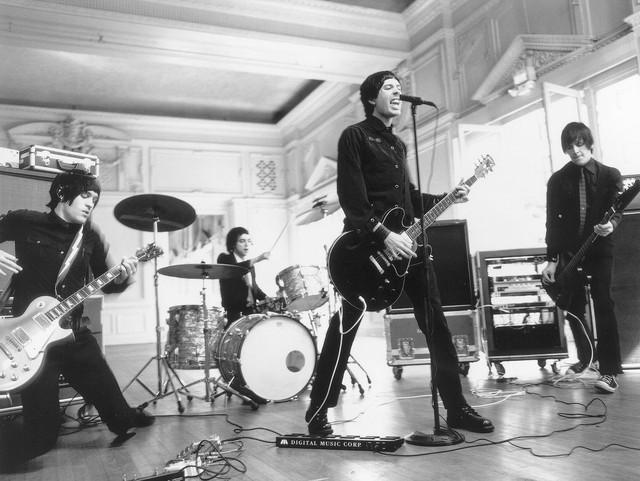
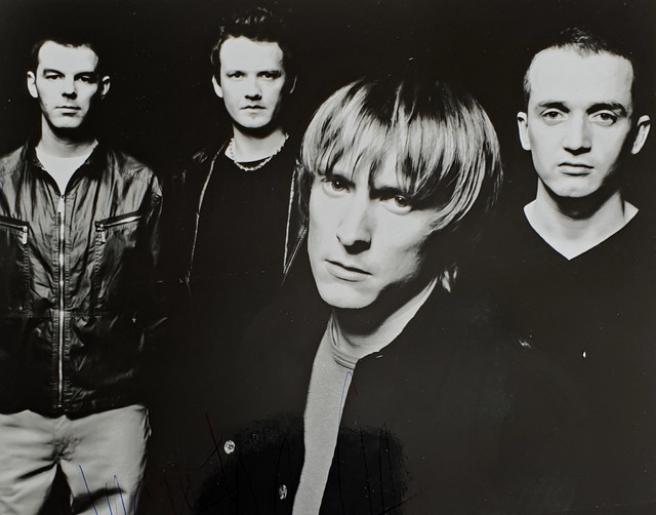
Addict’s Spotify BioBritish quartet Addict's roots go back to childhood friends Mark Aston and James Denham. With Aston singing lead and Denham on bass, the two went through a succession of bands in their hometown of Cambridge. Relocating to London in the early '90s, they added Danish-born guitarist Nikolaj Juel and completed Addict's lineup when drummer Luke Bullen joined in 1995. The band signed to Big Cat/V2 late the following year after tightening up as a live unit. In early 1997, there was the release of a limited-edition EP, which was well-received by the press and earned comparisons to Radiohead. Enlisting producer David Bianco, who had come off working with Teenage Fanclub, Addict recorded their debut album, Stones, in Los Angeles, releasing it in 1998. Despite more favorable reviews, Stones failed to make much of an impact on either side of the Atlantic and Addict has been quiet since its issue. ~ Tom Demalon, Rovi
Viberate is a music analytics platform built for A&Rs, artist managers, labels, booking agents, marketers, and artists.
It helps music professionals track artist growth, analyze audience data, monitor playlist activity, compare artists, follow song performance, and identify opportunities across the music market.
Public artist pages provide a free preview of selected artist data. Paid plans provide access to deeper analytics, historical data, charts, comparisons, playlist tools, exports, alerts, reports, and additional professional features.
Yes. Public Viberate artist pages provide selected artist analytics and music data for free.
Viberate also offers a 7-day free trial of the full platform. A credit card is required to start the trial. The trial includes access to the complete product so users can test deeper artist analytics, historical views, playlist insights, comparisons, charts, exports, alerts, and reporting features before choosing a paid plan.
Viberate provides artist analytics across streaming, playlists, social media, video, radio airplay, songs, and audience markets.
Users can analyze Spotify performance, Spotify and Apple Music playlists, YouTube activity, TikTok and Instagram growth, radio spins, song performance, audience locations, demographics, rankings, and overall artist momentum.
Artist profiles also connect to music charts, similar artists, and comparison tools, helping users benchmark performance and evaluate artists in context.
Viberate updates key artist and track data daily.
For followed artists and tracks, selected data is refreshed multiple times per day. This helps teams monitor playlist changes, streaming movement, audience growth, releases, and campaign performance with more current data.
Update frequency can vary depending on the metric and data source.
Yes. Viberate lets users compare up to five artists side by side across streaming, social media, audience, and engagement metrics.
Users can compare fanbase growth, audience demographics, locations, Spotify performance, social metrics, and other artist data over selected time periods.
Artist comparison can be used for A&R scouting, benchmarking, booking decisions, campaign planning, and evaluating artists with similar audiences or market positions.