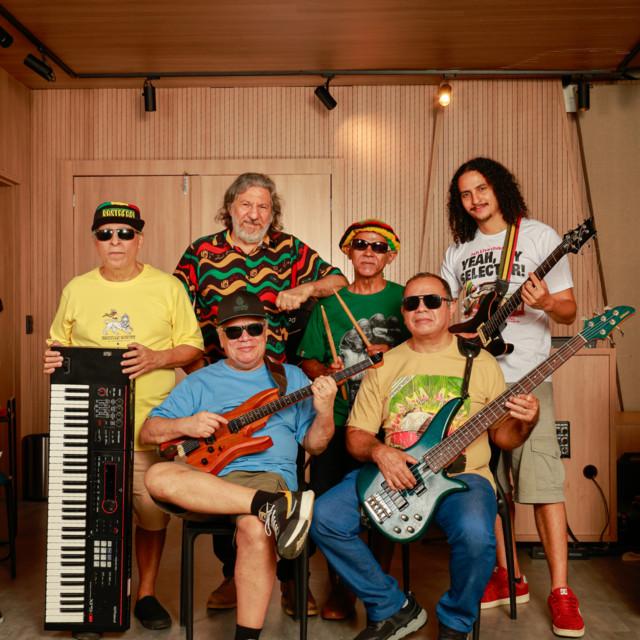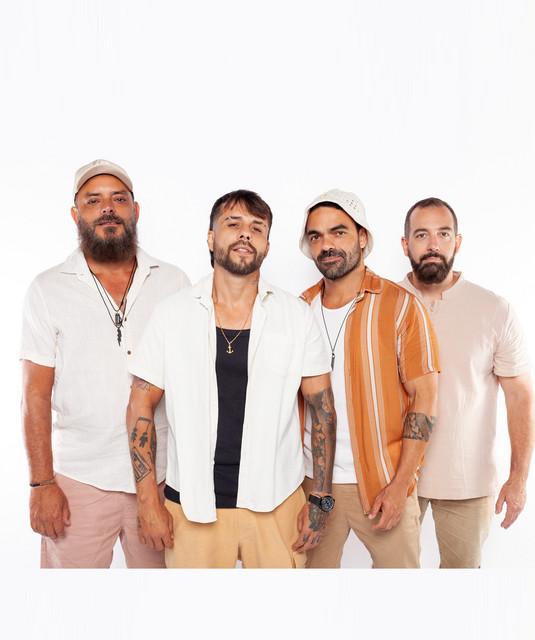
Adão Negro

Reggae
Roots Reggae
Dub
 Viberate Rank: 50633
 Viberate Rank: 50633
 Monthly ListenersFollowers
 Subscribers
 Followers
 Followers
 FansTop Spotify Songs
| Track | 7-Day Streams | |
|---|---|---|
1 | 24.38K | |
2 | 13.79K | |
3 | 10.68K | |
4 | 9.18K | |
5 | 3.97K |
Top YouTube Videos| Video | 7-Day Views | |
|---|---|---|
1 | 17.15K | |
2 | 16.14K | |
3 | 8.49K | |
4 | 4.40K | |
5 | 3.63K |
Monthly ListenersFeatured in Playlists| Playlist | Followers | |
|---|---|---|
1 |  Reggae Nacional 🌿 Só as Melhores | Roots & Hits Matheus Borges | 61.65K |
2 |  Reggae Brasil - BORA PRO REGGAE Diego Oliveira | 49.40K |
3 |  Debocha Regueiro 😏🔥 Victor Freire | 35.29K |
4 |  Na Onda Diverge | 23.27K |
5 |  O Melhor do Reggae Nacional Higor Gomes | 20.14K |
Audience| City | Monthly Listeners | |
|---|---|---|
1 | | 26.16K |
2 | | 14.22K |
3 | | 3.83K |
4 | | 3.58K |
5 | | 3.19K |
See full performance history, audience data, playlist activity, rankings, comparisons, and more in Viberate music analytics. Start with a free trial, then continue with a paid plan.
Adão Negro’s Spotify BioA banda Adão Negro foi fundada em meados do ano de 1996. Dois anos mais tarde, gravou seu primeiro disco, Adão Negro, que seria lançado somente em 2000. Impulsionado pela força da pirataria, o grupo começou a tornar-se conhecido nas grandes capitais do país, devido ao registro do show que reuniu 25 mil pessoas no Costa Verde, clube localizado na orla de Salvador, resultando no disco pirata da banda mais divulgado no país, chamado "Adão Negro no Costa Verde".
A partir do ano de 2000, a banda começa a incluir na agenda cidades de diversos estados brasileiros desde Fortaleza a Porto Alegre, dividindo o palco com grandes nomes da música nacional como Planet Hemp, Natiruts, Cássia Eller, Capital Inicial, entre outros, além dos ícones internacionais do reggae como Israel Vibration e Alpha Blondy.
Em 2004, a banda muda-se para São Paulo, viabilizando pequenas turnês pelo sul do país. Em 2007, a banda lança do disco Pele Negra, co-produzido pelo renomado produtor jamaicano Clive Hunt e pelo… roqueiro baiano Marcio Mello. O disco foi lançado para um publico recorde de 25 mil pessoas no festival Tributo a Bob, em Salvador, junto com o reggaeman mundialmente conhecido Lucky Dube, que seria tragicamente morto meses mais tarde na África do Sul. Em poucos meses, o “Pele Negra” tornou-se o mais bem sucedido da carreira do Adão Negro.
Viberate is a music analytics platform built for A&Rs, artist managers, labels, booking agents, marketers, and artists.
It helps music professionals track artist growth, analyze audience data, monitor playlist activity, compare artists, follow song performance, and identify opportunities across the music market.
Public artist pages provide a free preview of selected artist data. Paid plans provide access to deeper analytics, historical data, charts, comparisons, playlist tools, exports, alerts, reports, and additional professional features.
Yes. Public Viberate artist pages provide selected artist analytics and music data for free.
Viberate also offers a 7-day free trial of the full platform. A credit card is required to start the trial. The trial includes access to the complete product so users can test deeper artist analytics, historical views, playlist insights, comparisons, charts, exports, alerts, and reporting features before choosing a paid plan.
Viberate provides artist analytics across streaming, playlists, social media, video, radio airplay, songs, and audience markets.
Users can analyze Spotify performance, Spotify and Apple Music playlists, YouTube activity, TikTok and Instagram growth, radio spins, song performance, audience locations, demographics, rankings, and overall artist momentum.
Artist profiles also connect to music charts, similar artists, and comparison tools, helping users benchmark performance and evaluate artists in context.
Viberate updates key artist and track data daily.
For followed artists and tracks, selected data is refreshed multiple times per day. This helps teams monitor playlist changes, streaming movement, audience growth, releases, and campaign performance with more current data.
Update frequency can vary depending on the metric and data source.
Yes. Viberate lets users compare up to five artists side by side across streaming, social media, audience, and engagement metrics.
Users can compare fanbase growth, audience demographics, locations, Spotify performance, social metrics, and other artist data over selected time periods.
Artist comparison can be used for A&R scouting, benchmarking, booking decisions, campaign planning, and evaluating artists with similar audiences or market positions.