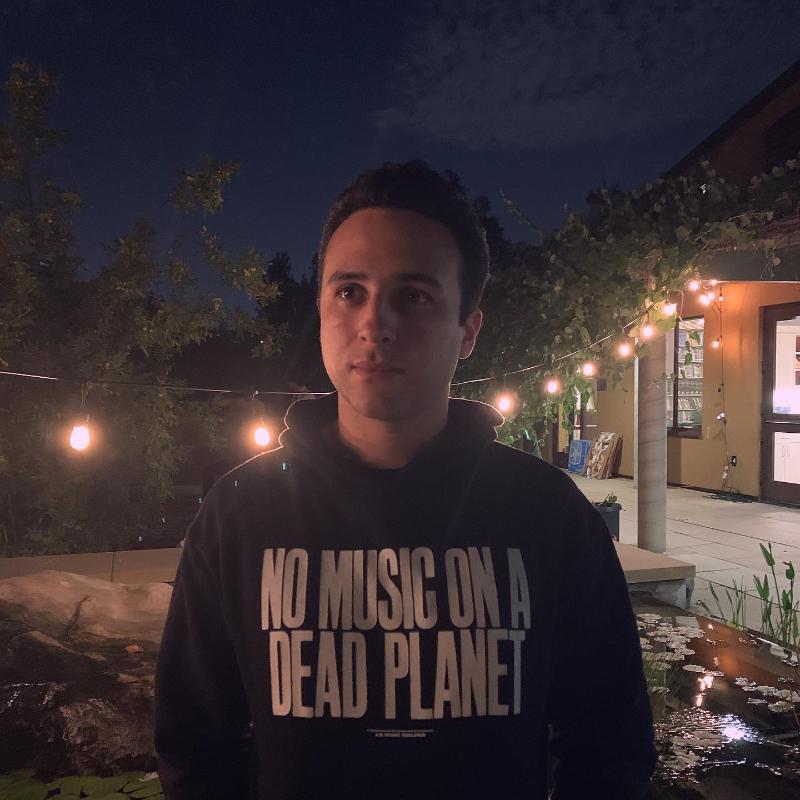
Adam Weiss

Electronic
Techno
Classical Crossover
Mainstream Pop
 Viberate Rank: 725599
 Viberate Rank: 725599
 Monthly ListenersFollowers
 Subscribers
 Followers
 Followers
 FansTop Spotify Songs
| Track | 7-Day Streams | |
|---|---|---|
1 | 397 | |
2 | 15 | |
3 | 15 | |
4 | 13 | |
5 | 6 |
Top YouTube VideosMonthly ListenersFeatured in Playlists| Playlist | Followers | |
|---|---|---|
1 |  Ambient Musical Genre ambientlove | 10.05K |
2 |  Sad Ambient Fennec | 1.73K |
Audience| City | Monthly Listeners | |
|---|---|---|
1 |  | 7 |
2 | | 6 |
3 | | 6 |
4 | | 6 |
5 |  | 5 |
See full performance history, audience data, playlist activity, rankings, comparisons, and more in Viberate music analytics. Start with a free trial, then continue with a paid plan.
Adam Weiss’ Spotify BioAdam Weiss is a composer and producer based in Brooklyn, New York. He has written soundtracks for a diverse range of award-winning projects including narrative film, commercials, documentaries, video games, and multiple stage productions. From full-orchestral to intimate, piano and synth-based productions, Adam's sound is signature in its seamless fusion of contrasting organic and electronic elements. Adam's music has been featured in films and advertisements for brands such as Apple, IBM, Oreo, Mountain Dew (for Super Bowl LIV), Budweiser (for Super Bowl LV), Macy's, E-Trade, Google, and Samsung. His film-score collaborations include work with Jay Wadley (I'm Thinking of Ending Things, Driveways) and Trevor Gureckis (The Goldfinch, Servant, Dead Space). Adam's music can also be heard in Mountain Dew's Superbowl "The Shining" Campaign, featuring Bryan Cranston and Tracee Ellis Ross. More recent work includes an arrangement of the classic "Lean On Me" by Bill Withers - for Budweiser's… Super Bowl LV campaign, which won an Andy Award and Bronze Clio. Adam’s work on Sandor was nominated by The One Show Awards for Original Music - Score. Adam's music is featured on Zen Pace's CBS Pride campaign (2023) which was recently nominated for a Sports Emmy. His most recent work includes original music for critically acclaimed podcast, This American Life, Chheangkea's APA Visionaries award-winning short "Skin Can Breathe" (HBO Max), and McVeigh (2024) (Alfie Allen, Ashley Benson).
Viberate is a music analytics platform built for A&Rs, artist managers, labels, booking agents, marketers, and artists.
It helps music professionals track artist growth, analyze audience data, monitor playlist activity, compare artists, follow song performance, and identify opportunities across the music market.
Public artist pages provide a free preview of selected artist data. Paid plans provide access to deeper analytics, historical data, charts, comparisons, playlist tools, exports, alerts, reports, and additional professional features.
Yes. Public Viberate artist pages provide selected artist analytics and music data for free.
Viberate also offers a 7-day free trial of the full platform. A credit card is required to start the trial. The trial includes access to the complete product so users can test deeper artist analytics, historical views, playlist insights, comparisons, charts, exports, alerts, and reporting features before choosing a paid plan.
Viberate provides artist analytics across streaming, playlists, social media, video, radio airplay, songs, and audience markets.
Users can analyze Spotify performance, Spotify and Apple Music playlists, YouTube activity, TikTok and Instagram growth, radio spins, song performance, audience locations, demographics, rankings, and overall artist momentum.
Artist profiles also connect to music charts, similar artists, and comparison tools, helping users benchmark performance and evaluate artists in context.
Viberate updates key artist and track data daily.
For followed artists and tracks, selected data is refreshed multiple times per day. This helps teams monitor playlist changes, streaming movement, audience growth, releases, and campaign performance with more current data.
Update frequency can vary depending on the metric and data source.
Yes. Viberate lets users compare up to five artists side by side across streaming, social media, audience, and engagement metrics.
Users can compare fanbase growth, audience demographics, locations, Spotify performance, social metrics, and other artist data over selected time periods.
Artist comparison can be used for A&R scouting, benchmarking, booking decisions, campaign planning, and evaluating artists with similar audiences or market positions.