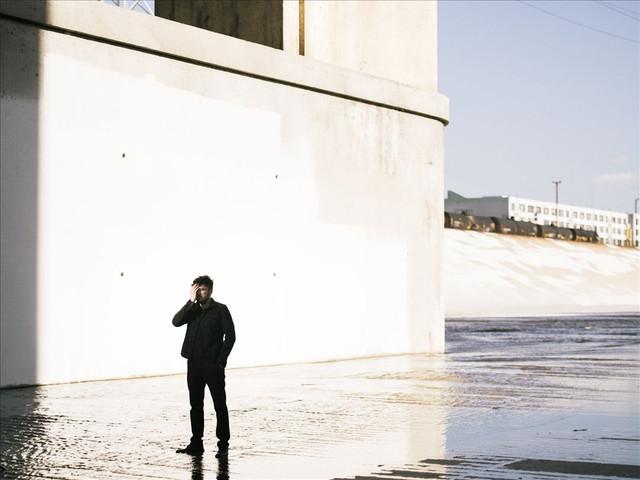
Adam Taylor

Electronic
Other Electronic Music
Downtempo
 Viberate Rank: 181987
 Viberate Rank: 181987
 Monthly ListenersFollowers
 Subscribers
 Followers
 Followers
 FansTop Spotify Songs
| Track | 7-Day Streams | |
|---|---|---|
1 | 5.63K | |
2 | 5.39K | |
3 | 1.45K | |
4 | 1.40K | |
5 | 1.31K |
Top YouTube VideosMonthly ListenersFeatured in Playlists| Playlist | Followers | |
|---|---|---|
1 |  Classical Reading Spotify | 634.33K |
2 | Best Soundtracks of All Time Suntzu | 173.09K |
3 |  Best of Movie, TV & Game Soundtracks by GuiguiF Guillaume Flahaut | 53.67K |
4 | Ignatious Pop 1 | 49.38K |
5 |  The Handmaid's Tale - soundtrack your own kind of music | 36.92K |
Audience| City | Monthly Listeners | |
|---|---|---|
1 | | 800 |
2 |  | 544 |
3 |  | 527 |
4 |  | 429 |
5 |  | 401 |
See full performance history, audience data, playlist activity, rankings, comparisons, and more in Viberate music analytics. Start with a free trial, then continue with a paid plan.
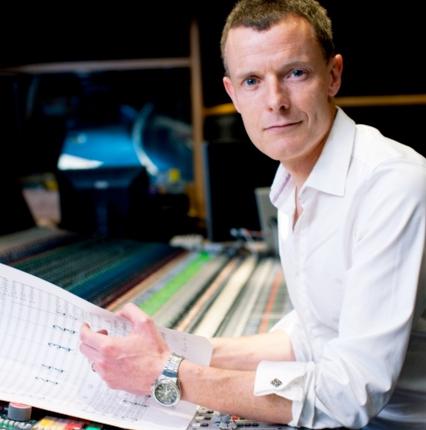
Adam Taylor’s Spotify BioAdam Taylor is a composer known for his work in film and series such as The Handmaid's Tale. Hailing from Long Beach, California, Taylor began teaching himself the guitar at age 15 and went on to play in rock bands in high school and college. Writer/director Eliot Rausch heard some music Taylor had created as a meditative backdrop for prayer meetings at his church, and the two partnered on a number of short films, including O Night Divine (2011), Remember (2012), and Get Back (2013). That experience led to work on shorts with other directors, some advertising work, and contributions to 2013's August: Osage County. He got sole credit for the music in the feature-length drama Meadowland, released in 2015. Taylor then wrote music for the 2016 documentary The Wrong Light, about the questionable motives of some in the aid sector, and for the 2017 mystery Before I Fall, based on the young adult novel by Lauren Oliver. To that point his most high-profile work, the Hulu series The Handmaid's… Tale, based on the 1985 Margaret Atwood novel, began airing in April 2017. Incorporating orchestra, synths, and tape manipulation, Taylor's ominous score followed on Lakeshore Records a month later. ~ Marcy Donelson, Rovi
Viberate is a music analytics platform built for A&Rs, artist managers, labels, booking agents, marketers, and artists.
It helps music professionals track artist growth, analyze audience data, monitor playlist activity, compare artists, follow song performance, and identify opportunities across the music market.
Public artist pages provide a free preview of selected artist data. Paid plans provide access to deeper analytics, historical data, charts, comparisons, playlist tools, exports, alerts, reports, and additional professional features.
Yes. Public Viberate artist pages provide selected artist analytics and music data for free.
Viberate also offers a 7-day free trial of the full platform. A credit card is required to start the trial. The trial includes access to the complete product so users can test deeper artist analytics, historical views, playlist insights, comparisons, charts, exports, alerts, and reporting features before choosing a paid plan.
Viberate provides artist analytics across streaming, playlists, social media, video, radio airplay, songs, and audience markets.
Users can analyze Spotify performance, Spotify and Apple Music playlists, YouTube activity, TikTok and Instagram growth, radio spins, song performance, audience locations, demographics, rankings, and overall artist momentum.
Artist profiles also connect to music charts, similar artists, and comparison tools, helping users benchmark performance and evaluate artists in context.
Viberate updates key artist and track data daily.
For followed artists and tracks, selected data is refreshed multiple times per day. This helps teams monitor playlist changes, streaming movement, audience growth, releases, and campaign performance with more current data.
Update frequency can vary depending on the metric and data source.
Yes. Viberate lets users compare up to five artists side by side across streaming, social media, audience, and engagement metrics.
Users can compare fanbase growth, audience demographics, locations, Spotify performance, social metrics, and other artist data over selected time periods.
Artist comparison can be used for A&R scouting, benchmarking, booking decisions, campaign planning, and evaluating artists with similar audiences or market positions.