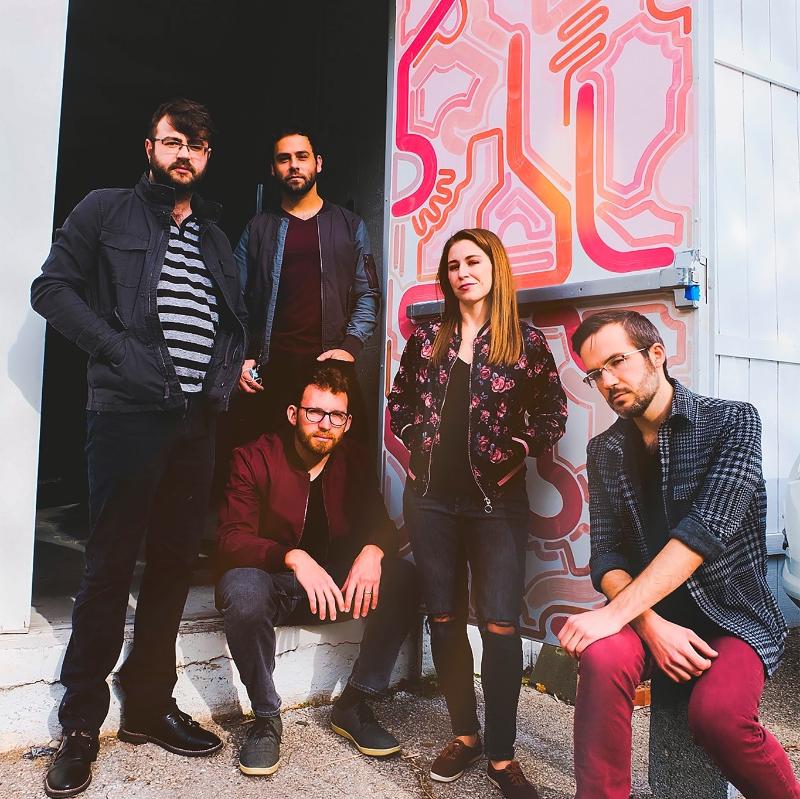
Adam Silverman

Classical
Classical Crossover
 Viberate Rank: 1028051
 Viberate Rank: 1028051
 Monthly ListenersFollowers
 Subscribers
 Followers
 Followers
 FansTop Spotify Songs
| Track | 7-Day Streams | |
|---|---|---|
1 | 2 | |
2 | 2 |
Top YouTube VideosMonthly ListenersFeatured in Playlists| Playlist | Followers | |
|---|---|---|
1 |  Neo Classicals Alen Golpashin | 7.79K |
2 |  The Sound of 21st Century Classical The Sounds of Spotify | 2.37K |
Audience| City | Monthly Listeners | |
|---|---|---|
1 |  | 8 |
2 | | 5 |
3 | | 3 |
4 | | 3 |
5 | | 3 |
See full performance history, audience data, playlist activity, rankings, comparisons, and more in Viberate music analytics. Start with a free trial, then continue with a paid plan.
Adam Silverman’s Spotify BioAdam Silverman (b. 1973, Atlanta, GA) is a composer of music for concert performance whose musical output reflects deep-dives into varied fascinations, with bodies of work created for percussion ensembles and wind bands, chamber music for traditional and uncommon ensembles, opera and choir, and music that distills folk techniques.
Silverman’s music is widely available in streaming services online, including four full-length records of chamber and percussion ensemble compositions, EP singles “Spark Joy,” “TITLE” and “Elegy for the Earth,” and individual compositions on recordings by the Temple University Wind Symphony, Prism Saxophone Quartet, cellist Amy Sue Barston, Trio Kavak, The Florida State University Percussion Ensemble, and others. He also composed the score for “Little Fiel,” which blends stop-motion animation with filmed documentary; in 2018, this film had 50 screenings in 15 countries, winning many awards including Best Original Music at the Oregon Documentary Film Festival.
E…ducated at Yale, The Vienna Musikhochschule, The University of Miami, and in private study with microtonal composer Ben Johnston, Silverman is a professor of music composition and theory at West Chester University, co-artistic director (with his spouse, cellist Amy Barston) of the Park Avenue Concerts series in Swarthmore, PA, and an Old-Time music enthusiast, performing as an amateur on fiddle, banjo, mandolin and guitar and hosting the monthly Swarthmore Old Time String Jam.
Viberate is a music analytics platform built for A&Rs, artist managers, labels, booking agents, marketers, and artists.
It helps music professionals track artist growth, analyze audience data, monitor playlist activity, compare artists, follow song performance, and identify opportunities across the music market.
Public artist pages provide a free preview of selected artist data. Paid plans provide access to deeper analytics, historical data, charts, comparisons, playlist tools, exports, alerts, reports, and additional professional features.
Yes. Public Viberate artist pages provide selected artist analytics and music data for free.
Viberate also offers a 7-day free trial of the full platform. A credit card is required to start the trial. The trial includes access to the complete product so users can test deeper artist analytics, historical views, playlist insights, comparisons, charts, exports, alerts, and reporting features before choosing a paid plan.
Viberate provides artist analytics across streaming, playlists, social media, video, radio airplay, songs, and audience markets.
Users can analyze Spotify performance, Spotify and Apple Music playlists, YouTube activity, TikTok and Instagram growth, radio spins, song performance, audience locations, demographics, rankings, and overall artist momentum.
Artist profiles also connect to music charts, similar artists, and comparison tools, helping users benchmark performance and evaluate artists in context.
Viberate updates key artist and track data daily.
For followed artists and tracks, selected data is refreshed multiple times per day. This helps teams monitor playlist changes, streaming movement, audience growth, releases, and campaign performance with more current data.
Update frequency can vary depending on the metric and data source.
Yes. Viberate lets users compare up to five artists side by side across streaming, social media, audience, and engagement metrics.
Users can compare fanbase growth, audience demographics, locations, Spotify performance, social metrics, and other artist data over selected time periods.
Artist comparison can be used for A&R scouting, benchmarking, booking decisions, campaign planning, and evaluating artists with similar audiences or market positions.