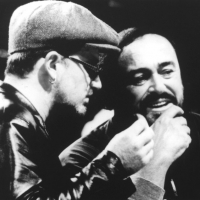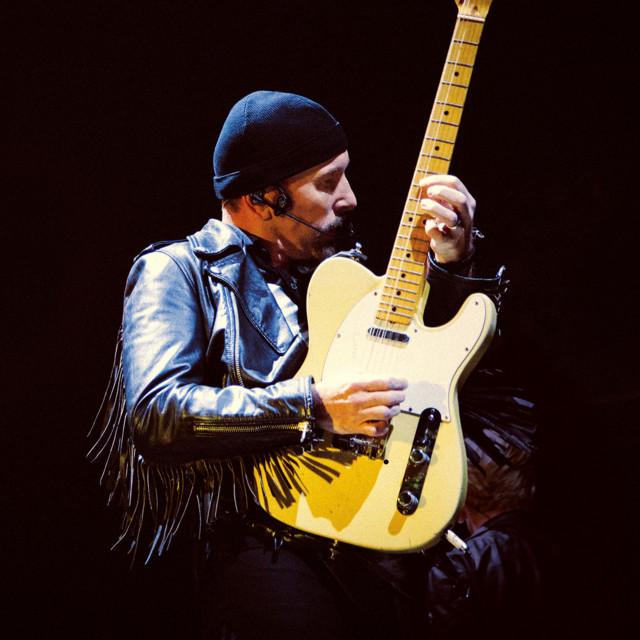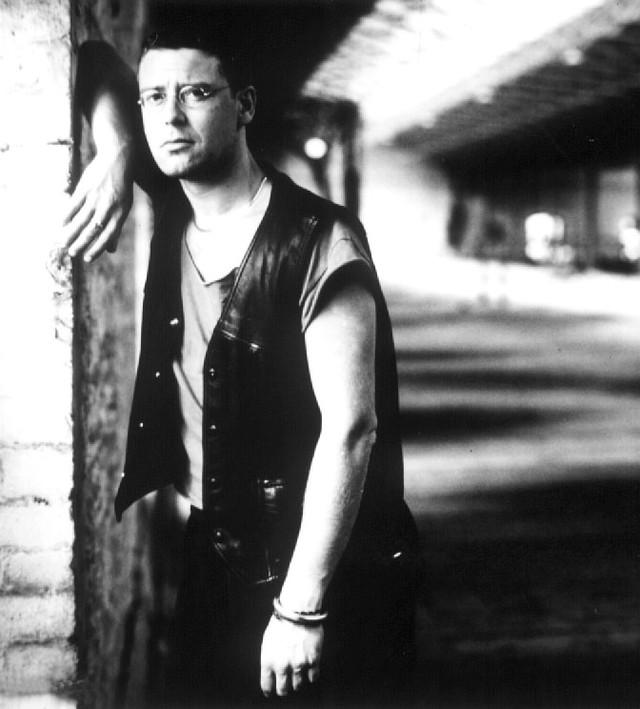
Adam Clayton

Rock
Pop Rock
 Viberate Rank: 126391
 Viberate Rank: 126391
 Monthly ListenersFollowers
 Subscribers
 Followers
 Followers
 FansTop Spotify Songs
| Track | 7-Day Streams | |
|---|---|---|
1 | 68.55K | |
2 | 21.27K | |
3 | 2.83K | |
4 | 1.90K | |
5 | 231 |
Top YouTube VideosMonthly ListenersFeatured in Playlists| Playlist | Followers | |
|---|---|---|
1 |  Classical Crossover Spotify | 437.33K |
2 |  U2 Best Of U2 | 218.81K |
3 |  U2 Complete U2 | 144.34K |
4 | U2 - Greatest songs Jazmin Albarran Vazquez | 117.25K |
5 | joekip | 70.34K |
Audience| City | Monthly Listeners | |
|---|---|---|
1 |  | 4.46K |
2 |  | 3.78K |
3 |  | 3.13K |
4 |  | 2.05K |
5 |  | 1.91K |
See full performance history, audience data, playlist activity, rankings, comparisons, and more in Viberate music analytics. Start with a free trial, then continue with a paid plan.
Adam Clayton’s Spotify BioAdam Clayton is known to multiple generations as the bass player for world-renowned rock band U2, which showcases his driving, hard rock style marked by melodic flair. Though his career has been defined by his decades-long association with the band, he also found the U.K. and U.S. Top Ten in the mid-'90s with his cover of the theme to Mission: Impossible with bandmate Larry Mullen, Jr.
Clayton was born in Chinnor, Oxfordshire, England, though his pilot father briefly moved the family to Nairobi before settling down in Malahide, Ireland when Adam was five years old. Early exposure to classical music led to piano lessons before he took up the guitar, occasionally playing music with neighborhood family the Evans, who included young David Evans, later known as the Edge. After moving away to boarding school, Clayton invested in his first guitar at age 15 upon learning that Eric Clapton didn't begin playing until around that age. He switched to bass after starting a band with a guitarist… friend. A year later, in 1976, he would audition for the band that would become U2 (then called Feedback) in drummer Larry Mullen, Jr.'s kitchen. With the lineup of lead vocalist Bono, guitarist the Edge, Mullen, and Clayton, the group's first album, Boy, was released in 1980. They found international superstardom with the release of subsequent albums such as The Joshua Tree and Achtung Baby. Previously untrained, as part of his regrouping after the band's massive, multimedia Zoo TV stadium tour wrapped up in 1993, Clayton set course for New York City and took formal bass lessons. His success with the band has continued well into the next century.
Outside of U2, Clayton contributed to albums by artists including Robbie Robertson (1987 self-titled), U2 producer Daniel Lanois (1989's Acadie), Sharon Shannon (1993 self-titled), Nanci Griffith (1994's Flyer), and Little Steven & the Disciples of Soul (1999's Born Again Savage). In the mid-'90s, Clayton had a hit under his own name with his contribution to the soundtrack for the 1996 Tom Cruise film-franchise opener Mission: Impossible. The single Theme from Mission: Impossible by Clayton and Mullen, a version of the well-known theme by Lalo Schifrin from the '60s TV series upon which the film was based, hit the Top Ten of the U.K. and U.S. singles charts and was certified gold in the U.S.
As the bassist continued to release albums and tour the world with his chart-topping band, in 2011 legendary guitar makers Fender produced a limited-edition signature Precision Bass designed to his specifications, and in 2013 Clayton married lawyer and art gallery director Mariana Teixeira de Carvalho. ~ Marcy Donelson, Rovi
Viberate is a music analytics platform built for A&Rs, artist managers, labels, booking agents, marketers, and artists.
It helps music professionals track artist growth, analyze audience data, monitor playlist activity, compare artists, follow song performance, and identify opportunities across the music market.
Public artist pages provide a free preview of selected artist data. Paid plans provide access to deeper analytics, historical data, charts, comparisons, playlist tools, exports, alerts, reports, and additional professional features.
Yes. Public Viberate artist pages provide selected artist analytics and music data for free.
Viberate also offers a 7-day free trial of the full platform. A credit card is required to start the trial. The trial includes access to the complete product so users can test deeper artist analytics, historical views, playlist insights, comparisons, charts, exports, alerts, and reporting features before choosing a paid plan.
Viberate provides artist analytics across streaming, playlists, social media, video, radio airplay, songs, and audience markets.
Users can analyze Spotify performance, Spotify and Apple Music playlists, YouTube activity, TikTok and Instagram growth, radio spins, song performance, audience locations, demographics, rankings, and overall artist momentum.
Artist profiles also connect to music charts, similar artists, and comparison tools, helping users benchmark performance and evaluate artists in context.
Viberate updates key artist and track data daily.
For followed artists and tracks, selected data is refreshed multiple times per day. This helps teams monitor playlist changes, streaming movement, audience growth, releases, and campaign performance with more current data.
Update frequency can vary depending on the metric and data source.
Yes. Viberate lets users compare up to five artists side by side across streaming, social media, audience, and engagement metrics.
Users can compare fanbase growth, audience demographics, locations, Spotify performance, social metrics, and other artist data over selected time periods.
Artist comparison can be used for A&R scouting, benchmarking, booking decisions, campaign planning, and evaluating artists with similar audiences or market positions.