Acrylics

Punk
Hardcore Punk
 Viberate Rank: 531751
 Viberate Rank: 531751
 Monthly ListenersFollowers
 Subscribers
 Followers
 Followers
 FansTop Spotify Songs
| Track | 7-Day Streams | |
|---|---|---|
1 | 20 | |
2 | 15 | |
3 | 14 | |
4 | 9 | |
5 | 8 |
Top YouTube Videos| Video | 7-Day Views | |
|---|---|---|
1 | 1 |
Monthly ListenersFeatured in Playlists| Playlist | Followers | |
|---|---|---|
1 |  Ultimate Chilled* Assia Grazioli Venier | 21.20K |
2 |  Best of BIRP! 2009 - Current BIRP! | 3.49K |
3 | Mixtape En Lefko 87.7 / Pepper 96.6 / Nostos 100.6 Yorgos Alexandropoulos | 2.26K |
4 |  BIRP! 2009 - 2019 BIRP! | 2.20K |
5 |  BIRP! Best of 2016 BIRP! | 1.66K |
Audience| City | Monthly Listeners | |
|---|---|---|
1 |  | 9 |
2 | | 7 |
3 | | 7 |
4 |  | 6 |
5 | | 5 |
See full performance history, audience data, playlist activity, rankings, comparisons, and more in Viberate music analytics. Start with a free trial, then continue with a paid plan.
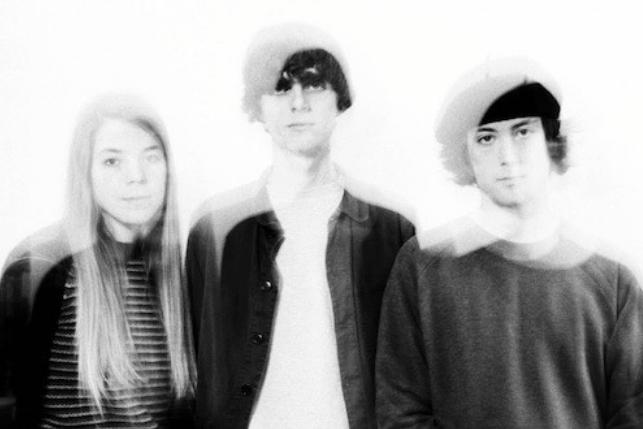
Acrylics’ Spotify BioThough their band, Standing Nudes, broke up in 2007, musicians and friends Jason Klauber and Molly Shea knew they wanted to continue making music together. The two -- who'd known each other since their time at Oberlin College, where they met after a mutual friend played some of Shea's songs to Klauber and formed the first configuration of Standing Nudes -- decided to take things in a different direction than what they'd previously done. Drawing inspiration from Fleetwood Mac, Gram Parsons, and Tom Petty & the Heartbreakers, among others, and calling themselves Acrylics, the pair set out writing songs from this era of pop music. Their first recordings were made in Klauber's basement, also home to roommate Patrick Wimberly's (from Chairlift) studio. Eventually, three more members (Travis Rosenberg on drums, Jake Aron on bass, and Sam Ubl on drums) were added, and the five-piece band began playing shows on its Brooklyn home turf. At one of these shows (and their second ever), Grizzly Bear…'s Chris Taylor approached them and asked if they'd like to release music on his nascent label, Terrible Records. After producing their songs at Taylor's studios, Acrylics released the EP All of the Fire in October 2009, around the same time that they played a handful of well-publicized shows at New York's CMJ Festival. The pair worked on their debut album over the course of two years with producers Patrick Wimberly (Chairlift), Matt Boynton (Gang Gang Dance, MGMT), Britt Myers (Yeasayer, Chairlift), and mastering engineer Chris Gehringer (Rihanna, Drake, Nas). The result, Lives and Treasure, arrived in 2011. ~ Marisa Brown, Rovi
Viberate is a music analytics platform built for A&Rs, artist managers, labels, booking agents, marketers, and artists.
It helps music professionals track artist growth, analyze audience data, monitor playlist activity, compare artists, follow song performance, and identify opportunities across the music market.
Public artist pages provide a free preview of selected artist data. Paid plans provide access to deeper analytics, historical data, charts, comparisons, playlist tools, exports, alerts, reports, and additional professional features.
Yes. Public Viberate artist pages provide selected artist analytics and music data for free.
Viberate also offers a 7-day free trial of the full platform. A credit card is required to start the trial. The trial includes access to the complete product so users can test deeper artist analytics, historical views, playlist insights, comparisons, charts, exports, alerts, and reporting features before choosing a paid plan.
Viberate provides artist analytics across streaming, playlists, social media, video, radio airplay, songs, and audience markets.
Users can analyze Spotify performance, Spotify and Apple Music playlists, YouTube activity, TikTok and Instagram growth, radio spins, song performance, audience locations, demographics, rankings, and overall artist momentum.
Artist profiles also connect to music charts, similar artists, and comparison tools, helping users benchmark performance and evaluate artists in context.
Viberate updates key artist and track data daily.
For followed artists and tracks, selected data is refreshed multiple times per day. This helps teams monitor playlist changes, streaming movement, audience growth, releases, and campaign performance with more current data.
Update frequency can vary depending on the metric and data source.
Yes. Viberate lets users compare up to five artists side by side across streaming, social media, audience, and engagement metrics.
Users can compare fanbase growth, audience demographics, locations, Spotify performance, social metrics, and other artist data over selected time periods.
Artist comparison can be used for A&R scouting, benchmarking, booking decisions, campaign planning, and evaluating artists with similar audiences or market positions.