Acheron

Metal
Black Metal
Thrash Metal
Death Metal
 Viberate Rank: 245993
 Viberate Rank: 245993
 Monthly ListenersFollowers
 Subscribers
 Followers
 Followers
 FansTop Spotify SongsTop YouTube VideosMonthly ListenersFeatured in Playlists
| Playlist | Followers | |
|---|---|---|
1 |  Metal Instrumentals Samidhya Sarker Torsho | 18.16K |
2 | Instrumental Metal! \m/ Chris Fay | 9.89K |
3 |  CHeard’s Instrumental Rock Mix drcheard | 5.33K |
4 |  Early Death Metal: The '80s & '90s Loudwire | 4.92K |
5 |  Death Metal Old School (1990-2000) Fernando Pires | 4.52K |
Audience| City | Monthly Listeners | |
|---|---|---|
1 |  | 73 |
2 |  | 57 |
3 |  | 43 |
4 |  | 34 |
5 | | 26 |
See full performance history, audience data, playlist activity, rankings, comparisons, and more in Viberate music analytics. Start with a free trial, then continue with a paid plan.
Acheron’s Spotify BioAcheron was formed in 1988 by bassist and vocalist Vincent Crowley with a mission to create extreme music rooted in real-world Satanic philosophy. Emerging from the early Florida death metal scene, Acheron stood apart for blending ferocious death and black metal with ritualistic atmosphere and unflinching anti-religious conviction.
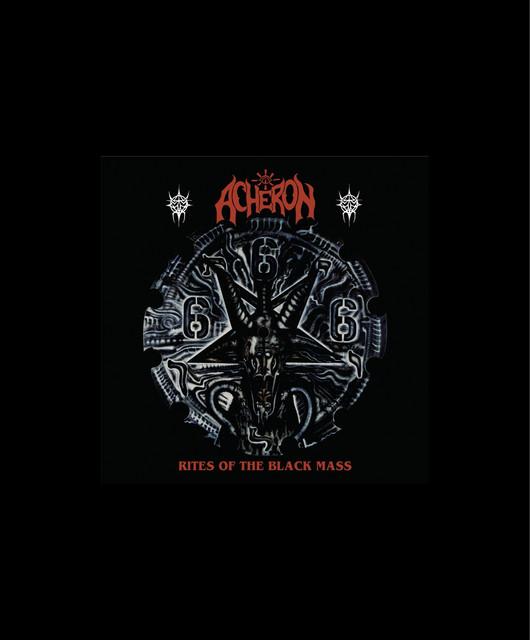
The band first made waves with the 1989 demo Messe Noir, later pressed as a 7” limited to 666 copies. Their debut full-length, Rites of the Black Mass (1992), became an underground landmark—infusing blistering riffs, ritual interludes composed by Church of Satan High Priest Peter H. Gilmore, and Crowley’s unmistakable growl into a blasphemous liturgy of sound.
Acheron went on to release a series of dark and confrontational albums including Lex Talionis (1994), Hail Victory (1995), Anti-God, Anti-Christ (1996), Those Who Have Risen (1998), Rebirth: Metamorphosing Into Godhood (2003), The Final Conflict: Last Days of God (2009), and Kult Des Hasses (2014). Each… era showcased shifting lineups but a single unwavering vision under Crowley’s command.
Sonically, Acheron combines the brutal weight of classic death metal with the ritual darkness of early black metal. Lyrically, the band delves deep into themes of Satanism, blasphemy, and rebellion against spiritual conformity, transforming ideology into sound.
Across decades of controversy, hiatuses, and rebirths, Acheron has earned cult status within the underground metal world. T
Viberate is a music analytics platform built for A&Rs, artist managers, labels, booking agents, marketers, and artists.
It helps music professionals track artist growth, analyze audience data, monitor playlist activity, compare artists, follow song performance, and identify opportunities across the music market.
Public artist pages provide a free preview of selected artist data. Paid plans provide access to deeper analytics, historical data, charts, comparisons, playlist tools, exports, alerts, reports, and additional professional features.
Yes. Public Viberate artist pages provide selected artist analytics and music data for free.
Viberate also offers a 7-day free trial of the full platform. A credit card is required to start the trial. The trial includes access to the complete product so users can test deeper artist analytics, historical views, playlist insights, comparisons, charts, exports, alerts, and reporting features before choosing a paid plan.
Viberate provides artist analytics across streaming, playlists, social media, video, radio airplay, songs, and audience markets.
Users can analyze Spotify performance, Spotify and Apple Music playlists, YouTube activity, TikTok and Instagram growth, radio spins, song performance, audience locations, demographics, rankings, and overall artist momentum.
Artist profiles also connect to music charts, similar artists, and comparison tools, helping users benchmark performance and evaluate artists in context.
Viberate updates key artist and track data daily.
For followed artists and tracks, selected data is refreshed multiple times per day. This helps teams monitor playlist changes, streaming movement, audience growth, releases, and campaign performance with more current data.
Update frequency can vary depending on the metric and data source.
Yes. Viberate lets users compare up to five artists side by side across streaming, social media, audience, and engagement metrics.
Users can compare fanbase growth, audience demographics, locations, Spotify performance, social metrics, and other artist data over selected time periods.
Artist comparison can be used for A&R scouting, benchmarking, booking decisions, campaign planning, and evaluating artists with similar audiences or market positions.