Aceyalone

Hip Hop
Contemporary Hip Hop
Underground Hip Hop
 Viberate Rank: 80633
 Viberate Rank: 80633
 Monthly ListenersFollowers
 Subscribers
 Followers
 Followers
 FansTop Spotify Songs
| Track | 7-Day Streams | |
|---|---|---|
1 | 97.46K | |
2 | 10.03K | |
3 | 5.03K | |
4 | 4.63K | |
5 | 3.60K |
Top YouTube VideosMonthly ListenersFeatured in Playlists| Playlist | Followers | |
|---|---|---|
1 |  Linkin Park: Complete Playlist Linkin Park | 467.17K |
2 |  Invincible Official Playlist Spotify | 237.87K |
3 |  Linkin Park - Só As Melhores Radio Jovem Pan FM | 233.90K |
4 | While You Work (@whileyouwork) Eli Feghali | 81.75K |
5 | bluemwhitew | 72.57K |
Audience| City | Monthly Listeners | |
|---|---|---|
1 | | 1.12K |
2 |  | 660 |
3 | | 535 |
4 | | 523 |
5 | | 520 |
See full performance history, audience data, playlist activity, rankings, comparisons, and more in Viberate music analytics. Start with a free trial, then continue with a paid plan.
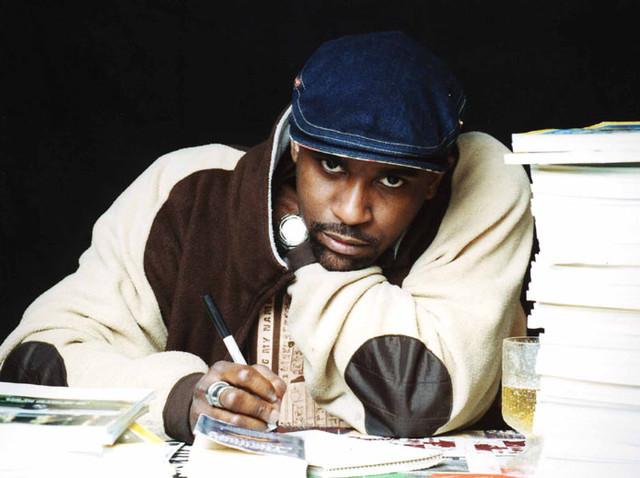
Aceyalone’s Spotify BioA founding member of Freestyle Fellowship, Aceyalone played an important role in the evolution of left-field hip-hop on the West Coast during an era when hardcore gangsta rap reigned. Following the dissolution of Freestyle Fellowship, Aceyalone embarked on a solo career that never resulted in enormous success but did allow him to maintain his revered status within the West Coast underground hip-hop scene. He debuted solo on All Balls Don't Bounce (1995) and followed-up with A Book of Human Language (1998). After a three-year absence from the hip-hop scene, he returned in 2001 with Accepted Eclectic, an album released by the Ground Control label, which also re-released his debut album. A new label, Project Blowed, issued Hip Hop and the World We Live In (2002) and Love & Hate (2003), the latter featuring collaborations with El-P and Antipop Consortium. In 2004 Project Blowed secured the rights to All Balls Don't Bounce from Capitol and reissued it with a bonus disc, bringing not only… extra music but reviving the album after many years out of print. In 2006, Aceyalone released Magnificent City, a collaboration with underground producer RJD2, as well as Grand Imperial, a limited-edition collection of remixes and other exclusive tracks. His 2007 album, Lightning Strikes, was inspired by reggae and dancehall music. It was produced by Bionik, who was also behind the boards for 2009's The Lonely Ones, an album influenced by Motown, soul, and doo wop. Bionik returned for 2013's Leanin' on Slick, another retro-minded album with Cee Lo Green as special guest. ~ Jason Birchmeier, Rovi
Viberate is a music analytics platform built for A&Rs, artist managers, labels, booking agents, marketers, and artists.
It helps music professionals track artist growth, analyze audience data, monitor playlist activity, compare artists, follow song performance, and identify opportunities across the music market.
Public artist pages provide a free preview of selected artist data. Paid plans provide access to deeper analytics, historical data, charts, comparisons, playlist tools, exports, alerts, reports, and additional professional features.
Yes. Public Viberate artist pages provide selected artist analytics and music data for free.
Viberate also offers a 7-day free trial of the full platform. A credit card is required to start the trial. The trial includes access to the complete product so users can test deeper artist analytics, historical views, playlist insights, comparisons, charts, exports, alerts, and reporting features before choosing a paid plan.
Viberate provides artist analytics across streaming, playlists, social media, video, radio airplay, songs, and audience markets.
Users can analyze Spotify performance, Spotify and Apple Music playlists, YouTube activity, TikTok and Instagram growth, radio spins, song performance, audience locations, demographics, rankings, and overall artist momentum.
Artist profiles also connect to music charts, similar artists, and comparison tools, helping users benchmark performance and evaluate artists in context.
Viberate updates key artist and track data daily.
For followed artists and tracks, selected data is refreshed multiple times per day. This helps teams monitor playlist changes, streaming movement, audience growth, releases, and campaign performance with more current data.
Update frequency can vary depending on the metric and data source.
Yes. Viberate lets users compare up to five artists side by side across streaming, social media, audience, and engagement metrics.
Users can compare fanbase growth, audience demographics, locations, Spotify performance, social metrics, and other artist data over selected time periods.
Artist comparison can be used for A&R scouting, benchmarking, booking decisions, campaign planning, and evaluating artists with similar audiences or market positions.