AceMo

Electronic
Deep House
Lo-Fi
House
 Viberate Rank: 155418
 Viberate Rank: 155418
 Monthly ListenersFollowers
 Subscribers
 Followers
 Followers
 FansTop Spotify Songs
| Track | 7-Day Streams | |
|---|---|---|
1 | 453 | |
2 | 441 | |
3 | 424 | |
4 | 420 | |
5 | 264 |
Top YouTube VideosMonthly ListenersFeatured in Playlists| Playlist | Followers | |
|---|---|---|
1 |  Headphone Selections by RÜFÜS DU SOL RÜFÜS | 60.27K |
2 |  The Sound of Everything The Sounds of Spotify | 53.81K |
3 |  Sauna: Deep + Acid House Spotify | 46.22K |
4 |  Sentio Martin Garrix Album Martin Garrix | 35.33K |
5 |  Electronic + Dance Frequency Spotify | 33.04K |
Audience| City | Monthly Listeners | |
|---|---|---|
1 |  | 421 |
2 | | 409 |
3 | | 398 |
4 | | 357 |
5 |  | 239 |
See full performance history, audience data, playlist activity, rankings, comparisons, and more in Viberate music analytics. Start with a free trial, then continue with a paid plan.
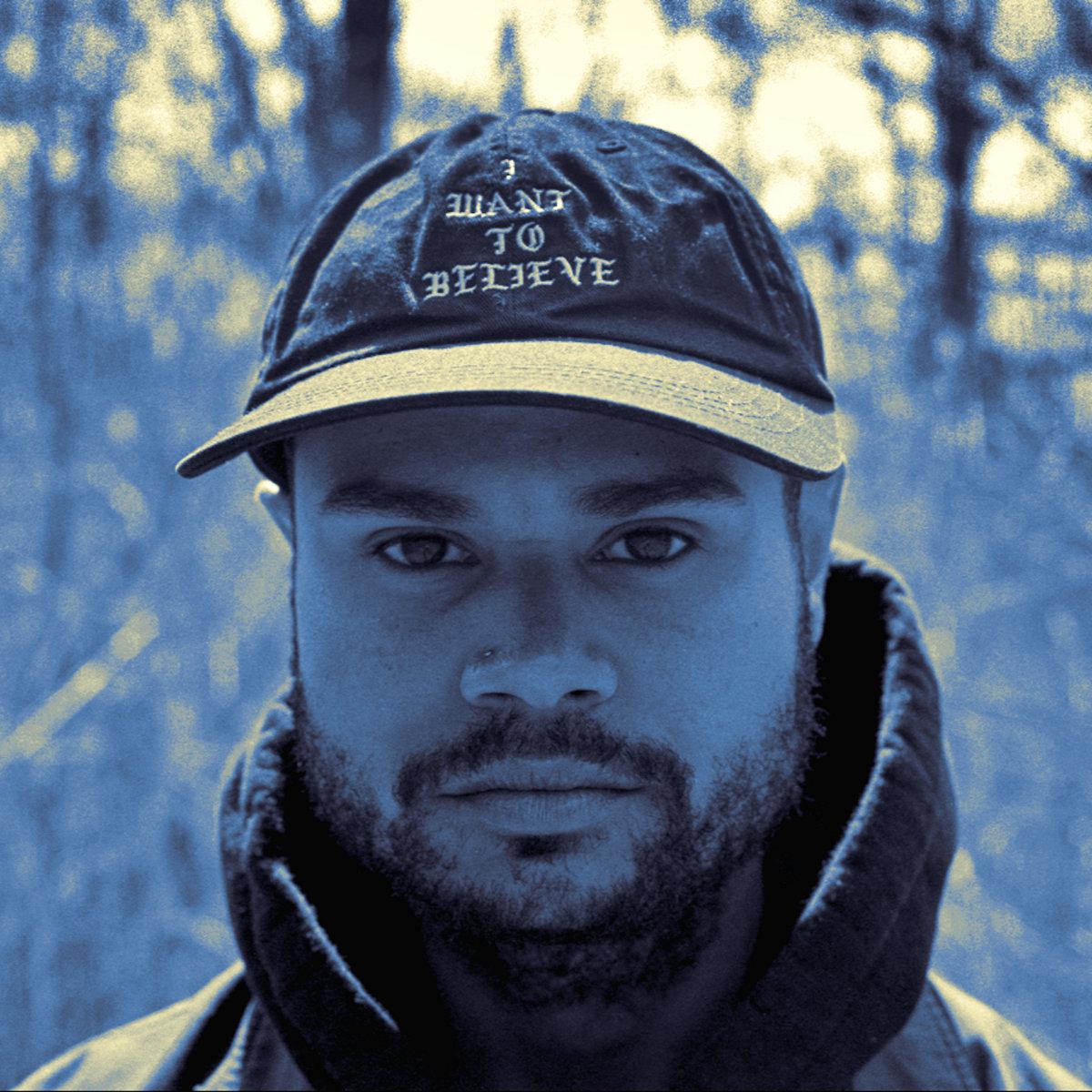
AceMo’s Spotify BioNew York's AceMo (Adrian Mojica) produces gritty, propulsive tracks that touch on a wide range of styles, from lo-fi house and techno to footwork and abstract hip-hop. He began releasing his most club-friendly material around 2018, and his track "Where They At???" became a staple of underground DJ sets in 2019. On releases like 2020's Mind Jungle and several collaborations with MoMa Ready as AceMoMa, he additionally explored deep, atmospheric drum'n'bass. The 2022 EP Wanna Play House? was an exuberant update of acid house, branching into filter disco and breakbeat, and a series of Unreleased Trax collections ventured into Detroit-style techno and ghettotech.
AceMo first appeared with a series of eclectic releases on Bootleg Tapes. 2014's Boarders was a set of hazy instrumental hip-hop, while the following year's Redshift experimented with juke and other forms of bass music. Gold & Silver, an EP with Fugitive, appeared in 2016, and Black Populous, an album mainly consisting of heavy,… tape hiss-saturated dance tracks, arrived in 2017. AceMo's self-titled EP, his first vinyl release, was issued by Michigan's Vanity Press Records in 2018, with his track "Get It from the Sound" particularly earning some attention. "Where They At???," a collaboration with Detroit's John FM from AceMo's 2019 album All My Life, made an even bigger impact, and the producer continued his prolific flow of releases, including the EPs Ace's Acid and Power and trance-influenced full-length Existential. He also teamed up with fellow New Yorker MoMa Ready as AceMoMa, switching between deep house and intelligent jungle on their 2019 self-titled EP. AceMo dove into the genre on his own with 2020's Mind Jungle, while AceMoMa continued their explorations on A New Dawn and EP2.
AceMo's System Override, a brief EP of high-impact house and breakbeat tracks, appeared in June 2020. In August of that year, AceMo released I Want to Believe as well as the EP C'mon Les' Go, a collaboration with Les Sins (aka Toro y Moi). AceMoMa released their third EP, and Mojica returned to downtempo, hip-hop-influenced material with Low Pressure, wrapping up the productive year with All My Life 2. A Future, AceMoMa's second album, appeared in 2021, while Mojica issued Unreleased Trax, Vol. 1 and the fantasy-inspired electro album Castle of Mana. AceMo and Lord RAJA collaborated on the 2022 single XTC/FNTSY, and Mojica released the entrancing ∞ and the gleeful Wanna Play House? Gathering rarities, edits, and lost tracks from throughout AceMo's career, Unreleased Trax, Vols. 2 and 3 both appeared at the beginning of 2023. ~ Paul Simpson, Rovi
Viberate is a music analytics platform built for A&Rs, artist managers, labels, booking agents, marketers, and artists.
It helps music professionals track artist growth, analyze audience data, monitor playlist activity, compare artists, follow song performance, and identify opportunities across the music market.
Public artist pages provide a free preview of selected artist data. Paid plans provide access to deeper analytics, historical data, charts, comparisons, playlist tools, exports, alerts, reports, and additional professional features.
Yes. Public Viberate artist pages provide selected artist analytics and music data for free.
Viberate also offers a 7-day free trial of the full platform. A credit card is required to start the trial. The trial includes access to the complete product so users can test deeper artist analytics, historical views, playlist insights, comparisons, charts, exports, alerts, and reporting features before choosing a paid plan.
Viberate provides artist analytics across streaming, playlists, social media, video, radio airplay, songs, and audience markets.
Users can analyze Spotify performance, Spotify and Apple Music playlists, YouTube activity, TikTok and Instagram growth, radio spins, song performance, audience locations, demographics, rankings, and overall artist momentum.
Artist profiles also connect to music charts, similar artists, and comparison tools, helping users benchmark performance and evaluate artists in context.
Viberate updates key artist and track data daily.
For followed artists and tracks, selected data is refreshed multiple times per day. This helps teams monitor playlist changes, streaming movement, audience growth, releases, and campaign performance with more current data.
Update frequency can vary depending on the metric and data source.
Yes. Viberate lets users compare up to five artists side by side across streaming, social media, audience, and engagement metrics.
Users can compare fanbase growth, audience demographics, locations, Spotify performance, social metrics, and other artist data over selected time periods.
Artist comparison can be used for A&R scouting, benchmarking, booking decisions, campaign planning, and evaluating artists with similar audiences or market positions.