Academy Killer

Punk
Pop Punk
 Viberate Rank: 478882
 Viberate Rank: 478882
 Monthly ListenersFollowers
 Subscribers
 Followers
 Followers
 FansTop Spotify Songs
| Track | 7-Day Streams | |
|---|---|---|
1 | 861 | |
2 | 382 | |
3 | 22 | |
4 | 12 | |
5 | 9 |
Top YouTube VideosMonthly ListenersFeatured in Playlists| Playlist | Followers | |
|---|---|---|
1 | Pop goes punk vol 1-10 alexdrumsalot | 55.71K |
2 |  Punk goes Taylor Swift shayrayval | 52.86K |
3 | Pop Go Punk 1-7 justchuck88 | 34.53K |
4 |  Taylor Swift Rock Covers Trent Jackson | 9.41K |
5 |  College Rock Lukas Müller | 6.48K |
Audience| City | Monthly Listeners | |
|---|---|---|
1 |  | 51 |
2 | | 45 |
3 | | 43 |
4 |  | 42 |
5 |  | 40 |
See full performance history, audience data, playlist activity, rankings, comparisons, and more in Viberate music analytics. Start with a free trial, then continue with a paid plan.
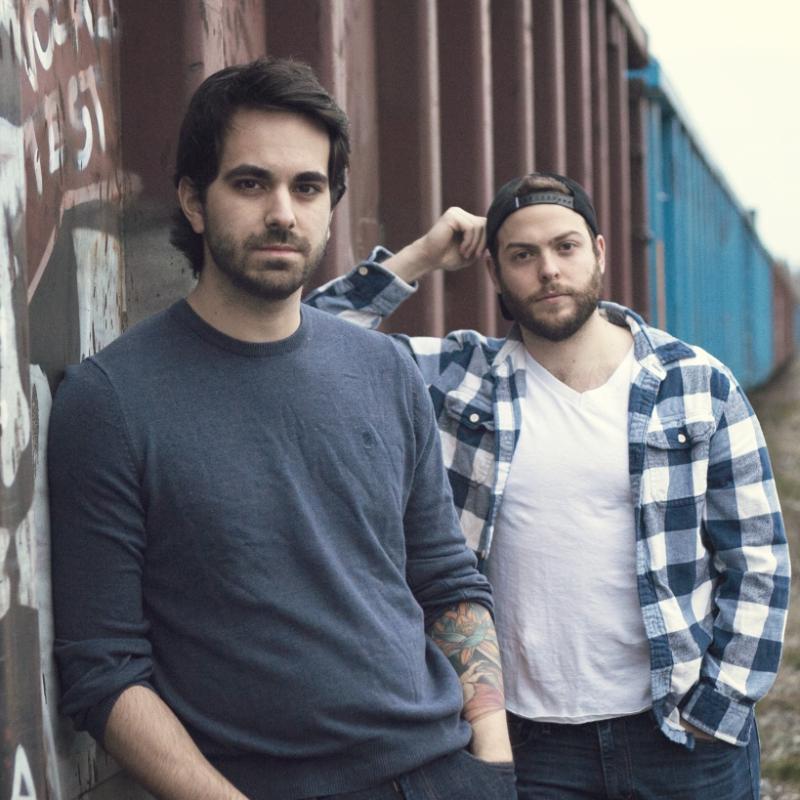
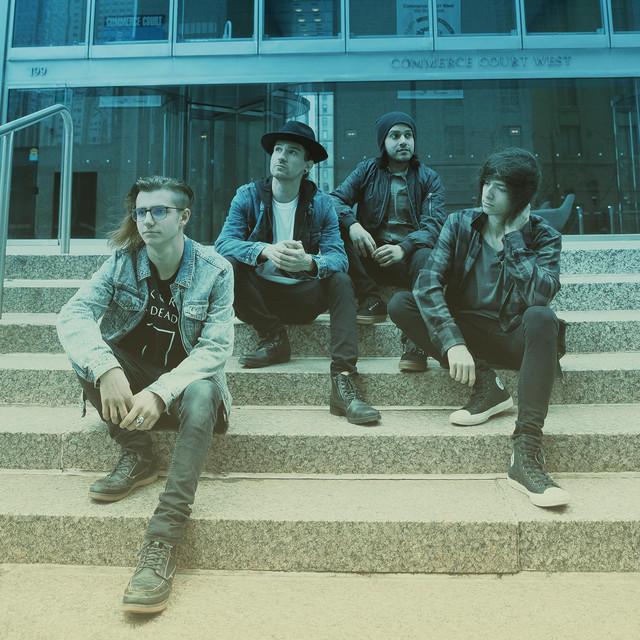
Academy Killer’s Spotify BioAcademy Killer (Hamilton, ON) rallies listeners to shake off prescriptive norms with their celebratory brand of rock ‘n roll. The band builds on a pop punk foundation with driving, uplifting guitar work and soaring, impassioned vocals. Drawing inspiration from emo, modern pop, 90’s rock and even the stylings of 50’s crooners, they deliver lively melodies underscored by deeply introspective, yet relatable lyrics and themes of self-discovery, positivity, love and loss. Whether on stage or on the radio Academy Killer hooks listeners with their spirit and then lets them get lost in layers of songwriting and feel.
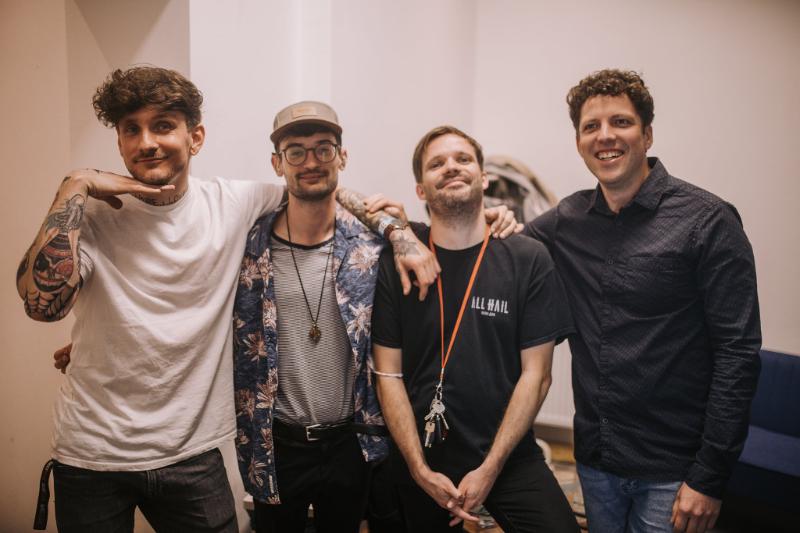
Established with 2016’s Late to the Party EP, Academy Killer has quickly built a local following and broken onto the festival circuit with appearances at Burlington’s Sound of Music, Hamilton’s Supercrawl and Canadian Music Week in Toronto. The quartet comprised of Kevin Talbot (vocals, guitar), Lucas Goldson (lead guitar), Omar Kurd (bass) and Nathaniel Schuster (drums) are united… in their aim to create thoughtful music that’s exciting and honest. The group has recently emerged from studios and are eagerly preparing to share their second EP “Lost in Make Believe”, September 20th, 2019!
Viberate is a music analytics platform built for A&Rs, artist managers, labels, booking agents, marketers, and artists.
It helps music professionals track artist growth, analyze audience data, monitor playlist activity, compare artists, follow song performance, and identify opportunities across the music market.
Public artist pages provide a free preview of selected artist data. Paid plans provide access to deeper analytics, historical data, charts, comparisons, playlist tools, exports, alerts, reports, and additional professional features.
Yes. Public Viberate artist pages provide selected artist analytics and music data for free.
Viberate also offers a 7-day free trial of the full platform. A credit card is required to start the trial. The trial includes access to the complete product so users can test deeper artist analytics, historical views, playlist insights, comparisons, charts, exports, alerts, and reporting features before choosing a paid plan.
Viberate provides artist analytics across streaming, playlists, social media, video, radio airplay, songs, and audience markets.
Users can analyze Spotify performance, Spotify and Apple Music playlists, YouTube activity, TikTok and Instagram growth, radio spins, song performance, audience locations, demographics, rankings, and overall artist momentum.
Artist profiles also connect to music charts, similar artists, and comparison tools, helping users benchmark performance and evaluate artists in context.
Viberate updates key artist and track data daily.
For followed artists and tracks, selected data is refreshed multiple times per day. This helps teams monitor playlist changes, streaming movement, audience growth, releases, and campaign performance with more current data.
Update frequency can vary depending on the metric and data source.
Yes. Viberate lets users compare up to five artists side by side across streaming, social media, audience, and engagement metrics.
Users can compare fanbase growth, audience demographics, locations, Spotify performance, social metrics, and other artist data over selected time periods.
Artist comparison can be used for A&R scouting, benchmarking, booking decisions, campaign planning, and evaluating artists with similar audiences or market positions.