Above The Law

Hip Hop
Contemporary Hip Hop
 Viberate Rank: 47906
 Viberate Rank: 47906
 Monthly ListenersFollowers
 Subscribers
 Followers
 Followers
 FansTop Spotify Songs
| Track | 7-Day Streams | |
|---|---|---|
1 | 13.06K | |
2 | 9.46K | |
3 | 9.12K | |
4 | 9.09K | |
5 | 8.12K |
Top YouTube Videos| Video | 7-Day Views | |
|---|---|---|
1 | 6.42K | |
2 | 5.92K | |
3 | 3.43K | |
4 | 1.36K | |
5 | 1.12K |
Monthly ListenersFeatured in Playlists| Playlist | Followers | |
|---|---|---|
1 |  Old School Hip Hop Filtr Sweden | 779.20K |
2 |  Radio Los Santos (GTA: SA) Rockstar Games | 102.54K |
3 |  This Is Eazy-E Spotify | 94.09K |
4 |  HIP-HOP CLASSICS (1980-2000) Wolfgang Wee | 82.92K |
5 | Hip Hop I Grew Up On Mike Shinoda | 73.43K |
Audience| City | Monthly Listeners | |
|---|---|---|
1 | | 8.95K |
2 | | 3.99K |
3 | | 2.59K |
4 | | 2.50K |
5 | | 2.38K |
See full performance history, audience data, playlist activity, rankings, comparisons, and more in Viberate music analytics. Start with a free trial, then continue with a paid plan.
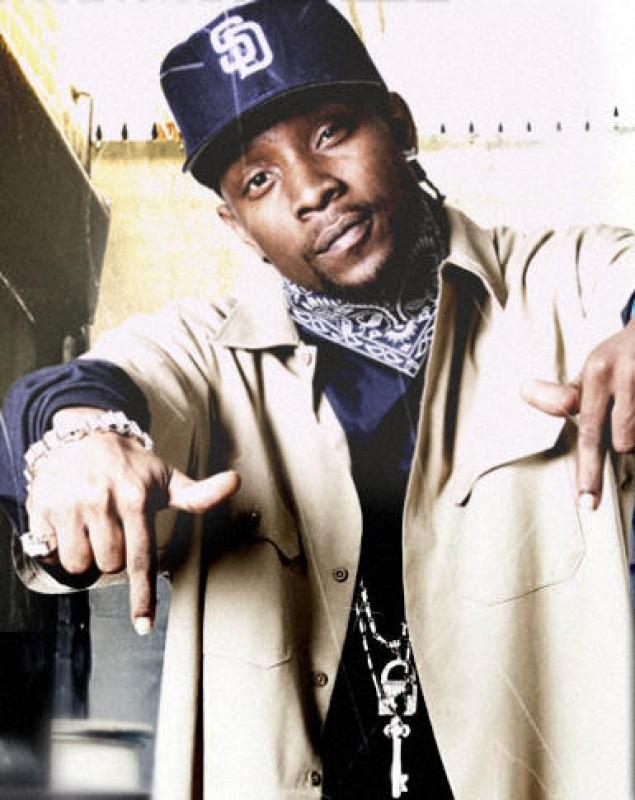
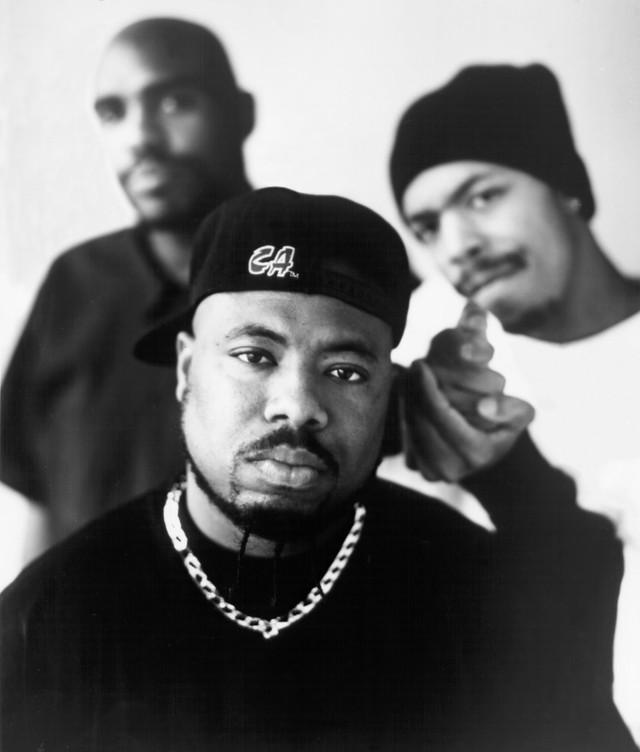
Above The Law’s Spotify BioPart of the post-N.W.A explosion of California gangsta rap, Above the Law came out of the eastern Los Angeles suburb of Pomona; leader Cold 187um, aka Big Hutch (born Gregory Hutchinson), was joined by KMG the Illustrator (born Kevin Dulley), Go Mack (born Arthur Goodman), and DJ Total K-Oss (born Anthony Stewart). Mixing '70s vintage funk and soul samples with live instrumentation (Hutchinson had studied jazz while in school), the group signed with Eazy-E's Ruthless Records and issued its debut album, Livin' Like Hustlers, in 1990; split into violence- and sex-themed sides, it was co-produced by Dr. Dre (prior to N.W.A's rancorous breakup) and received well in gangsta circles. The Vocally Pimpin' EP appeared in 1991, and the full-length follow-up, Black Mafia Life, was released in 1993.
Go Mack left the group shortly thereafter, and Above the Law stuck with the trio format for their last Ruthless album, 1994's Uncle Sam's Curse, which featured greater contributions from KMG. Following …Eazy-E's tragically sudden death, Above the Law left Ruthless for Tommy Boy, debuting in 1996 with Time Will Reveal; although the lyrics stuck with the group's well-worn gangsta themes, it demonstrated that Big Hutch's skills as a G-funk producer were becoming ever more polished. Released in 1998, Legends kept the West Coast gangsta flame burning, but proved to be their last release on Tommy Boy; they formed their own label, West World, and struck a distribution deal with Street Solid for 1999's Forever: Rich Thugs. The same year, Big Hutch released his solo debut, Executive Decisions.
In 2000, Big Hutch was recruited by Suge Knight to become the new house producer and musical director at Death Row Records, making it the new home of Above the Law as well. They recorded a new album called Diary of a Drug Dealer, but the release dates were continually pushed back while Big Hutch worked on production assignments, including the debut album by Crooked I; amid all the album delays, rumors began to circulate about the group's breakup. The album would finally arrived in 2009 as a digital download, on the Beatology label, and under the title Sex, Money & Music. In July of 2012 it was announced that KMG had passed away, although there was no mention of his cause of death. ~ Steve Huey, Rovi
Viberate is a music analytics platform built for A&Rs, artist managers, labels, booking agents, marketers, and artists.
It helps music professionals track artist growth, analyze audience data, monitor playlist activity, compare artists, follow song performance, and identify opportunities across the music market.
Public artist pages provide a free preview of selected artist data. Paid plans provide access to deeper analytics, historical data, charts, comparisons, playlist tools, exports, alerts, reports, and additional professional features.
Yes. Public Viberate artist pages provide selected artist analytics and music data for free.
Viberate also offers a 7-day free trial of the full platform. A credit card is required to start the trial. The trial includes access to the complete product so users can test deeper artist analytics, historical views, playlist insights, comparisons, charts, exports, alerts, and reporting features before choosing a paid plan.
Viberate provides artist analytics across streaming, playlists, social media, video, radio airplay, songs, and audience markets.
Users can analyze Spotify performance, Spotify and Apple Music playlists, YouTube activity, TikTok and Instagram growth, radio spins, song performance, audience locations, demographics, rankings, and overall artist momentum.
Artist profiles also connect to music charts, similar artists, and comparison tools, helping users benchmark performance and evaluate artists in context.
Viberate updates key artist and track data daily.
For followed artists and tracks, selected data is refreshed multiple times per day. This helps teams monitor playlist changes, streaming movement, audience growth, releases, and campaign performance with more current data.
Update frequency can vary depending on the metric and data source.
Yes. Viberate lets users compare up to five artists side by side across streaming, social media, audience, and engagement metrics.
Users can compare fanbase growth, audience demographics, locations, Spotify performance, social metrics, and other artist data over selected time periods.
Artist comparison can be used for A&R scouting, benchmarking, booking decisions, campaign planning, and evaluating artists with similar audiences or market positions.