Ablebody

Pop
Indie Pop
Indie Rock
 Viberate Rank: 160891
 Viberate Rank: 160891
 Monthly ListenersFollowers
 Subscribers
 Followers
 Followers
 FansTop Spotify Songs
| Track | 7-Day Streams | |
|---|---|---|
1 | 33 | |
2 | 29 | |
3 | 27 | |
4 | 17 | |
5 | 15 |
Top YouTube VideosMonthly ListenersFeatured in Playlists| Playlist | Followers | |
|---|---|---|
1 | We Are Hunted Emerging Chart We Are Hunted | 9.70K |
2 |  the jangle pop masterlist Arielle | 5.96K |
3 |  KEXP's Song of the Day 2017 KEXP | 5.40K |
4 |  BIRP! 2009 - 2019 BIRP! | 2.20K |
5 |  Shoegaze/Dream Pop/Synth Pop/Chillwave Jeremy Evans | 1.50K |
Audience| City | Monthly Listeners | |
|---|---|---|
1 |  | 12 |
2 | | 6 |
3 |  | 5 |
4 | | 5 |
5 |  | 4 |
See full performance history, audience data, playlist activity, rankings, comparisons, and more in Viberate music analytics. Start with a free trial, then continue with a paid plan.
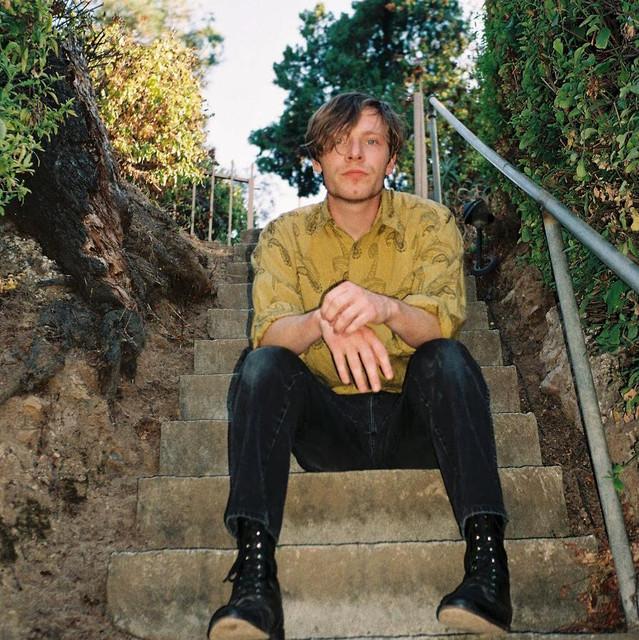
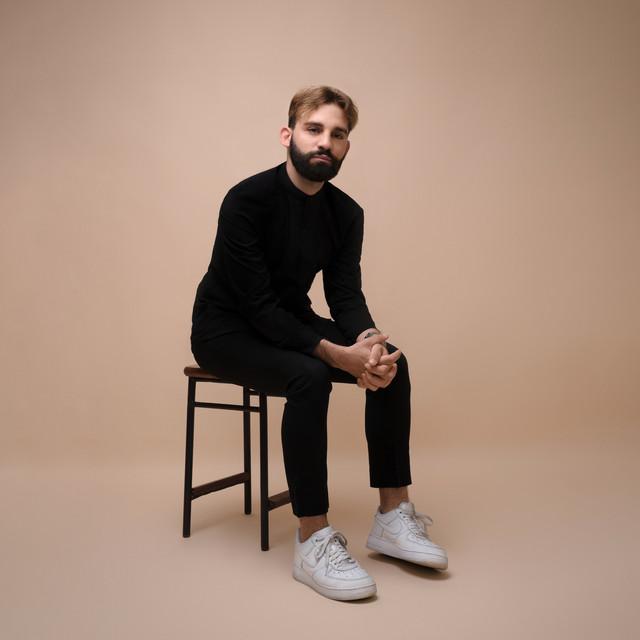
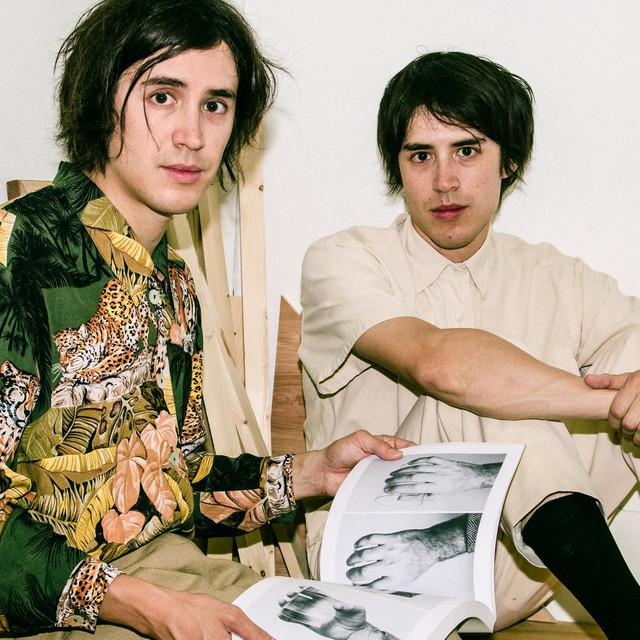
Ablebody’s Spotify BioThe brothers Hochheim, Christoph and Anton, both had solid musical careers before forming the '80s-influenced indie pop group Ablebody, Christoph as a member of the Pains of Being Pure at Heart and Depreciation Guild, Anton as a member of the latter. Ablebody got its start as a laptop project while Christoph was on tour with the Pains in the late 2000s. Once he left the band in 2009, he got more serious about working on his own music, and then when Depreciation Guild folded in 2011, he really began to focus on making music himself. The first Ablebody release was a four-song EP of remixes, titled Remexès; the next was an EP of covers, titled Covers. Both came out in 2011, and were made by Christoph on his laptop. The first release of original music followed that same year, with the brief lo-fi electronic pop single "High Home." He began involving Anton more in the music-making process, both as a sounding board and drummer. The next Ablebody release, 2013's All My Everybody EP, featured… both brothers, lots of echo, and a cover of Harry Nilsson's "Sister Marie." The next year the brothers released another single, "After Hours," and joined (or in Christoph's case, rejoined) the Pains of Being Pure at Heart's touring band. When not on the road, they continued working on songs, eventually hitting the studio with Ariel Pink producer Kenny Gilmore and starting the meticulous process of recording their debut album. Influenced by sophisticated pop bands like Prefab Sprout and Aztec Camera, Adult Contemporaries was released by Lolipop Records in 2016. Around this time, the brothers added Daniel Rosenbaum and Jordan Sabolick to the group for live performances. ~ Tim Sendra, Rovi
Viberate is a music analytics platform built for A&Rs, artist managers, labels, booking agents, marketers, and artists.
It helps music professionals track artist growth, analyze audience data, monitor playlist activity, compare artists, follow song performance, and identify opportunities across the music market.
Public artist pages provide a free preview of selected artist data. Paid plans provide access to deeper analytics, historical data, charts, comparisons, playlist tools, exports, alerts, reports, and additional professional features.
Yes. Public Viberate artist pages provide selected artist analytics and music data for free.
Viberate also offers a 7-day free trial of the full platform. A credit card is required to start the trial. The trial includes access to the complete product so users can test deeper artist analytics, historical views, playlist insights, comparisons, charts, exports, alerts, and reporting features before choosing a paid plan.
Viberate provides artist analytics across streaming, playlists, social media, video, radio airplay, songs, and audience markets.
Users can analyze Spotify performance, Spotify and Apple Music playlists, YouTube activity, TikTok and Instagram growth, radio spins, song performance, audience locations, demographics, rankings, and overall artist momentum.
Artist profiles also connect to music charts, similar artists, and comparison tools, helping users benchmark performance and evaluate artists in context.
Viberate updates key artist and track data daily.
For followed artists and tracks, selected data is refreshed multiple times per day. This helps teams monitor playlist changes, streaming movement, audience growth, releases, and campaign performance with more current data.
Update frequency can vary depending on the metric and data source.
Yes. Viberate lets users compare up to five artists side by side across streaming, social media, audience, and engagement metrics.
Users can compare fanbase growth, audience demographics, locations, Spotify performance, social metrics, and other artist data over selected time periods.
Artist comparison can be used for A&R scouting, benchmarking, booking decisions, campaign planning, and evaluating artists with similar audiences or market positions.