
Abed Azrié

European
Other European Music
Other Middle Eastern Music
 Viberate Rank: 352581
 Viberate Rank: 352581
 Monthly ListenersFollowers
 Subscribers
 Followers
 Followers
 FansTop YouTube VideosMonthly ListenersFeatured in Playlists
| Playlist | Followers | |
|---|---|---|
1 | 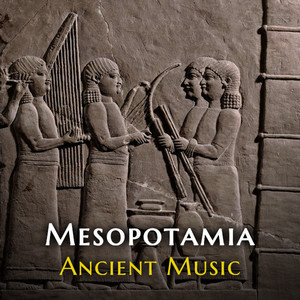 Mesopotamia: Ancient Music Carlos Vermeersch | 9.81K |
2 |  King of Kings - Mesopotamian Music, Assyrian, Sumerian, Babylonian, Akkadian Genesis Bustamante Lillo | 2.18K |
3 |  The Sound of Arab Folk The Sounds of Spotify | 1.41K |
4 |  INANNA scarlet | 1.14K |
5 |  World / Ethnic kisacikmusic | 1.13K |
Audience| City | Monthly Listeners | |
|---|---|---|
1 |  | 24 |
2 | | 24 |
3 |  | 16 |
4 |  | 16 |
5 |  | 12 |
See full performance history, audience data, playlist activity, rankings, comparisons, and more in Viberate music analytics. Start with a free trial, then continue with a paid plan.
Abed Azrié’s Spotify BioAbed Azrié is a French composer, born in Aleppo, Syria. He has published some twenty music albums, composed music for films and published several books, including his well-known adaptation of the Gilgamesh epic into French. On his tours throughout Europe, the United States and Mexico, he inspires his audiences with the modernity of his compositions and universality of his poetic messages. His music has long enjoyed the admiration of artists as diverse as Yehudi Menuhin, John Adams, Jeff Buckley, Leonard Cohen or René Char.
Abed Azrié sees himself primarily as a man of freedom. He believes in the arts as a medium of humanity and is defending an art that is free from entrenched forms and limitations and is aiming directly at man in his universality and timeliness. For him, « a word which is sung is no longer just a simple word, but it is enchanted, transformed into trance ».
The texts which he selects for his compositions are from oriental and western, ancient and contemporary poetry, and… are written in different languages (Arabic, Spanish, French, Venetian, German and English): Adonis, Andrea Zanzotto, Omar Khayyam, Jean Cocteau, Gibran, Hafiz, Goethe, and others... All these texts have one thing in common: they are evoking the fullness of life and they celebrate the miracle of life, the freedom of the mind and the opening of the heart.
Viberate is a music analytics platform built for A&Rs, artist managers, labels, booking agents, marketers, and artists.
It helps music professionals track artist growth, analyze audience data, monitor playlist activity, compare artists, follow song performance, and identify opportunities across the music market.
Public artist pages provide a free preview of selected artist data. Paid plans provide access to deeper analytics, historical data, charts, comparisons, playlist tools, exports, alerts, reports, and additional professional features.
Yes. Public Viberate artist pages provide selected artist analytics and music data for free.
Viberate also offers a 7-day free trial of the full platform. A credit card is required to start the trial. The trial includes access to the complete product so users can test deeper artist analytics, historical views, playlist insights, comparisons, charts, exports, alerts, and reporting features before choosing a paid plan.
Viberate provides artist analytics across streaming, playlists, social media, video, radio airplay, songs, and audience markets.
Users can analyze Spotify performance, Spotify and Apple Music playlists, YouTube activity, TikTok and Instagram growth, radio spins, song performance, audience locations, demographics, rankings, and overall artist momentum.
Artist profiles also connect to music charts, similar artists, and comparison tools, helping users benchmark performance and evaluate artists in context.
Viberate updates key artist and track data daily.
For followed artists and tracks, selected data is refreshed multiple times per day. This helps teams monitor playlist changes, streaming movement, audience growth, releases, and campaign performance with more current data.
Update frequency can vary depending on the metric and data source.
Yes. Viberate lets users compare up to five artists side by side across streaming, social media, audience, and engagement metrics.
Users can compare fanbase growth, audience demographics, locations, Spotify performance, social metrics, and other artist data over selected time periods.
Artist comparison can be used for A&R scouting, benchmarking, booking decisions, campaign planning, and evaluating artists with similar audiences or market positions.