Abbas Ali Khan

Pop
Indian Pop
Islamic Music
 Viberate Rank: 60473
 Viberate Rank: 60473
 Monthly ListenersFollowers
 Subscribers
 Followers
 Followers
 FansTop Spotify Songs
| Track | 7-Day Streams | |
|---|---|---|
1 | 10.17K | |
2 | 4.94K | |
3 | 2.09K | |
4 | 1.83K | |
5 | 1.43K |
Top YouTube VideosMonthly ListenersFeatured in Playlists| Playlist | Followers | |
|---|---|---|
1 | Best of Coke Studio Deeya | 204.77K |
2 |  South Asian Sufi Spotify | 183.90K |
3 |  This Is Coke Studio Spotify | 136.28K |
4 | Coke studio seasons 1-15 Zain | 110.72K |
5 |  Best of Coke Studio (Seasons 1- 14) Aditya Agrawal | 109.96K |
Audience| City | Monthly Listeners | |
|---|---|---|
1 | | 2.87K |
2 | | 2.22K |
3 |  | 1.86K |
4 | | 1.82K |
5 | | 1.26K |
See full performance history, audience data, playlist activity, rankings, comparisons, and more in Viberate music analytics. Start with a free trial, then continue with a paid plan.
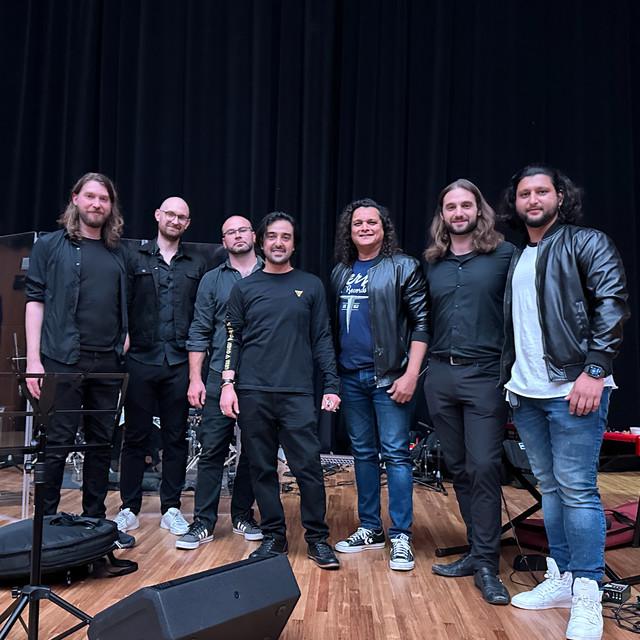
Abbas Ali Khan’s Spotify BioBased in Karachi, Pakistan, Abbas Ali Khan is a modern-day singer, songwriter, and music producer who is known to fuse eastern melodies with contemporary music. His music of late has evolved into a genre of his own which is a fusion of eastern melodies often based on ragas as well as pop melodies fused with warm synthesizers making the overall sound very nostalgic yet fresh.
His interest in music led to him receiving early training in classical music by Ustad Fateh Ali Khan.
His debut album was “Humsafar” however he gained limelight with his second album “Sun Re” in 2006, which has a soulful and darker feel to it and consists of timeless tracks like “Sun Re” and Malal”. His third album “Tamaam Alam Must” relies heavily on his classical upbringing and is a Sufi album to the core and his collaboration with Zohaib Kazi on his debut music-book album, Ismail Ka Urdu Shehar truly showcases his versatility and thoughtful approach to music.
The album was also nominated at the 14th Lux Style… Awards for "Album of the Year".
Abbas has done background score for the films Dekh Magar Pyar Se (2015) Jalaibee (2015), Azad (2017), Chaly the Saath (2017) Pinky Memsaab (2018).
In 2014, Abbas made his Coke Studio debut with the Phool Banro a duet with Madam Humera Channa and Mujhe Baar Baar from his album Tamaam Alam Must.
Viberate is a music analytics platform built for A&Rs, artist managers, labels, booking agents, marketers, and artists.
It helps music professionals track artist growth, analyze audience data, monitor playlist activity, compare artists, follow song performance, and identify opportunities across the music market.
Public artist pages provide a free preview of selected artist data. Paid plans provide access to deeper analytics, historical data, charts, comparisons, playlist tools, exports, alerts, reports, and additional professional features.
Yes. Public Viberate artist pages provide selected artist analytics and music data for free.
Viberate also offers a 7-day free trial of the full platform. A credit card is required to start the trial. The trial includes access to the complete product so users can test deeper artist analytics, historical views, playlist insights, comparisons, charts, exports, alerts, and reporting features before choosing a paid plan.
Viberate provides artist analytics across streaming, playlists, social media, video, radio airplay, songs, and audience markets.
Users can analyze Spotify performance, Spotify and Apple Music playlists, YouTube activity, TikTok and Instagram growth, radio spins, song performance, audience locations, demographics, rankings, and overall artist momentum.
Artist profiles also connect to music charts, similar artists, and comparison tools, helping users benchmark performance and evaluate artists in context.
Viberate updates key artist and track data daily.
For followed artists and tracks, selected data is refreshed multiple times per day. This helps teams monitor playlist changes, streaming movement, audience growth, releases, and campaign performance with more current data.
Update frequency can vary depending on the metric and data source.
Yes. Viberate lets users compare up to five artists side by side across streaming, social media, audience, and engagement metrics.
Users can compare fanbase growth, audience demographics, locations, Spotify performance, social metrics, and other artist data over selected time periods.
Artist comparison can be used for A&R scouting, benchmarking, booking decisions, campaign planning, and evaluating artists with similar audiences or market positions.