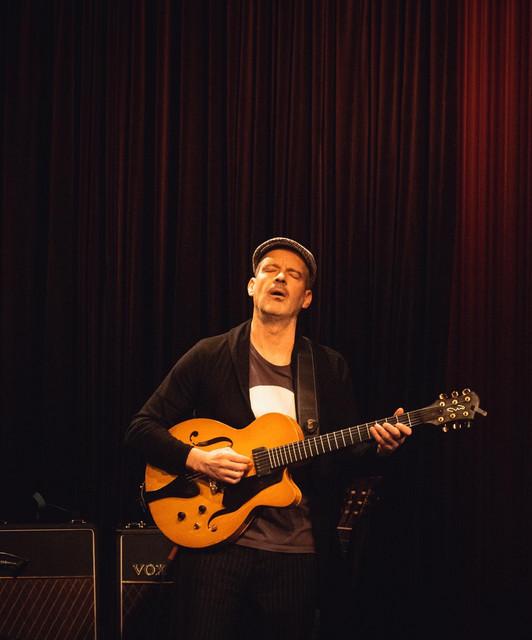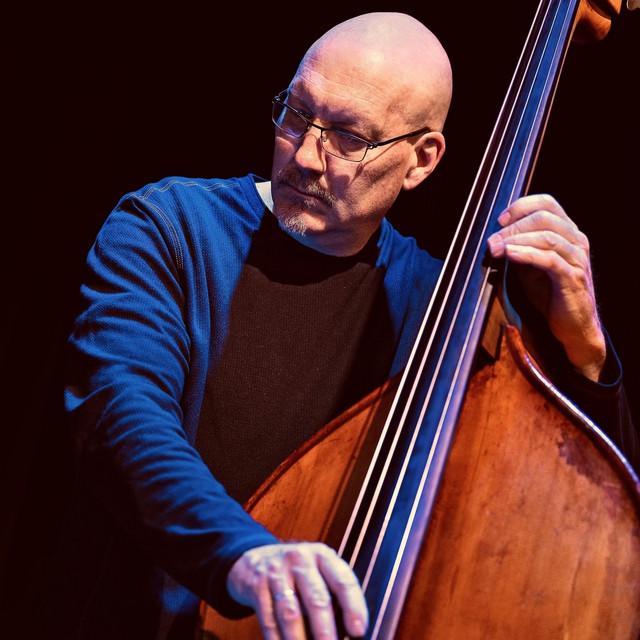
Aaron Parks

Jazz
Jazz Fusion
Smooth Jazz
 Viberate Rank: 68732
 Viberate Rank: 68732
 Monthly ListenersFollowers
 Subscribers
 Followers
 Followers
 FansTop Spotify Songs
| Track | 7-Day Streams | |
|---|---|---|
1 | 11.06K | |
2 | 8.88K | |
3 | 7.68K | |
4 | 6.14K | |
5 | 5.63K |
Top YouTube VideosMonthly ListenersFeatured in Playlists| Playlist | Followers | |
|---|---|---|
1 |  Late Night Jazz Spotify | 2.18M |
2 |  Women of Jazz Spotify | 865.70K |
3 |  Jazz Classics Blue Note Edition Spotify | 549.30K |
4 |  Fresh Finds Jazz Spotify | 247.59K |
5 |  real good shit Tom Misch | 165.62K |
Audience| City | Monthly Listeners | |
|---|---|---|
1 |  | 1.69K |
2 |  | 1.45K |
3 | | 1.36K |
4 |  | 1.24K |
5 |  | 1.12K |
See full performance history, audience data, playlist activity, rankings, comparisons, and more in Viberate music analytics. Start with a free trial, then continue with a paid plan.
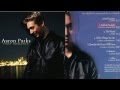
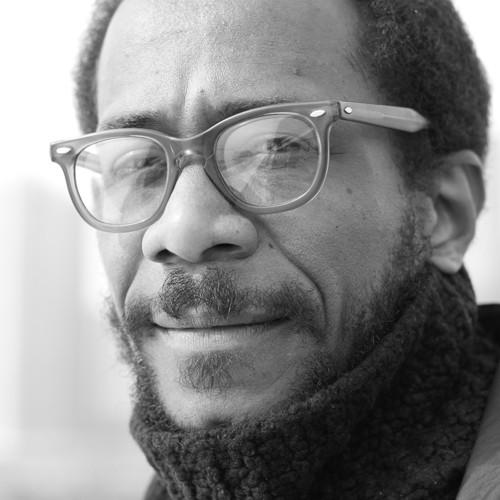
Aaron Parks’ Spotify BioPianist Aaron Parks is a forward-thinking jazz musician who came to the public's attention during his tenure with Terence Blanchard. From the beginning of his recording career, Parks has assumed an intuitive union of modern jazz, Eastern modalities, and atmospheric indie rock. He's comfortable with post-bop pyrotechnics, sparse, sculpted, questioning tone poems, and lithe melodies both minimal and maximal, Parks released his 2008 Blue Note debut, Invisible Cinema. He followed with two titles for ECM: 2013's Arborescence, and 2017's Find the Way. Parks also recorded for a number of indies including Stunt, Butler, and Ropeadope. The latter released 2018's Little Big and its 2020 sequel, Little Big II: Dreams of a Mechanical Man. Prevented from touring by the pandemic, Parks recorded and self-released two digital trio albums with Matt Brewer and Eric Harland (Volume One and Volume Two) in 2021. Parks returned to Blue Note for the release of Little Big III.
Born in Seattle, Parks began… playing piano at a young age, and by the time he was 14 had enrolled in an early entrance degree program at the University of Washington. Originally, he pursued both science and music degrees; however, his prodigious talent won out, and by age 16 he had transferred to the Manhattan School of Music. While there, Parks studied with noted pianist Kenny Barron and received several competitive accolades, including being named the 2001 Cole Porter Fellow of the American Pianists Association. At age 18, he joined Blanchard's ensemble and subsequently recorded four albums with the veteran trumpeter, including 2003's Bounce, 2005's Flow, the soundtrack to the 2006 Spike Lee film Inside Man, and Blanchard's 2007 Grammy-winning opus A Tale of God's Will (A Requiem for Katrina). Besides playing with Blanchard, Parks has performed with a variety of artists including trumpeter Christian Scott, drummer Kendrick Scott, vocalist Gretchen Parlato, trumpeter Ambrose Akinmusire, guitarist Kurt Rosenwinkel.
Parks has released several albums under his own name, including his 2008 Blue Note debut, Invisible Cinema. He was an integral part of the James Farm Quartet with Joshua Redman, Matt Penman, and Eric Harland. Nonesuch released the quartet's self-titled album in 2011. The pianist subsequently signed to ECM and issued the solo piano offering Arborescence in the fall of 2013. He also made sideman appearances on Will Vinson's Live at Smalls and Yeahwon Shin's Lua Ya, and Live in Japan with his own trio of Thomas Morgan and RJ Miller. It was recorded on the pianist's phone during a show and was released for free on his Bandcamp page. Parks cut Groovements in a collaborative trio with Danish bassist Thomas Fonnesbæk and drummer Karsten Bagge for Stunt in 2016. He moved back to ECM in 2017 for his sophomore label date, Find the Way, issued in the late spring. It featured bassist Ben Street and drummer Billy Hart in the rhythm section and was inspired in part (according to Parks) by the music of Alice Coltrane and Shirley Horn (for whom Hart played), both of whom prioritized space and subtlety in composition and improvisation.
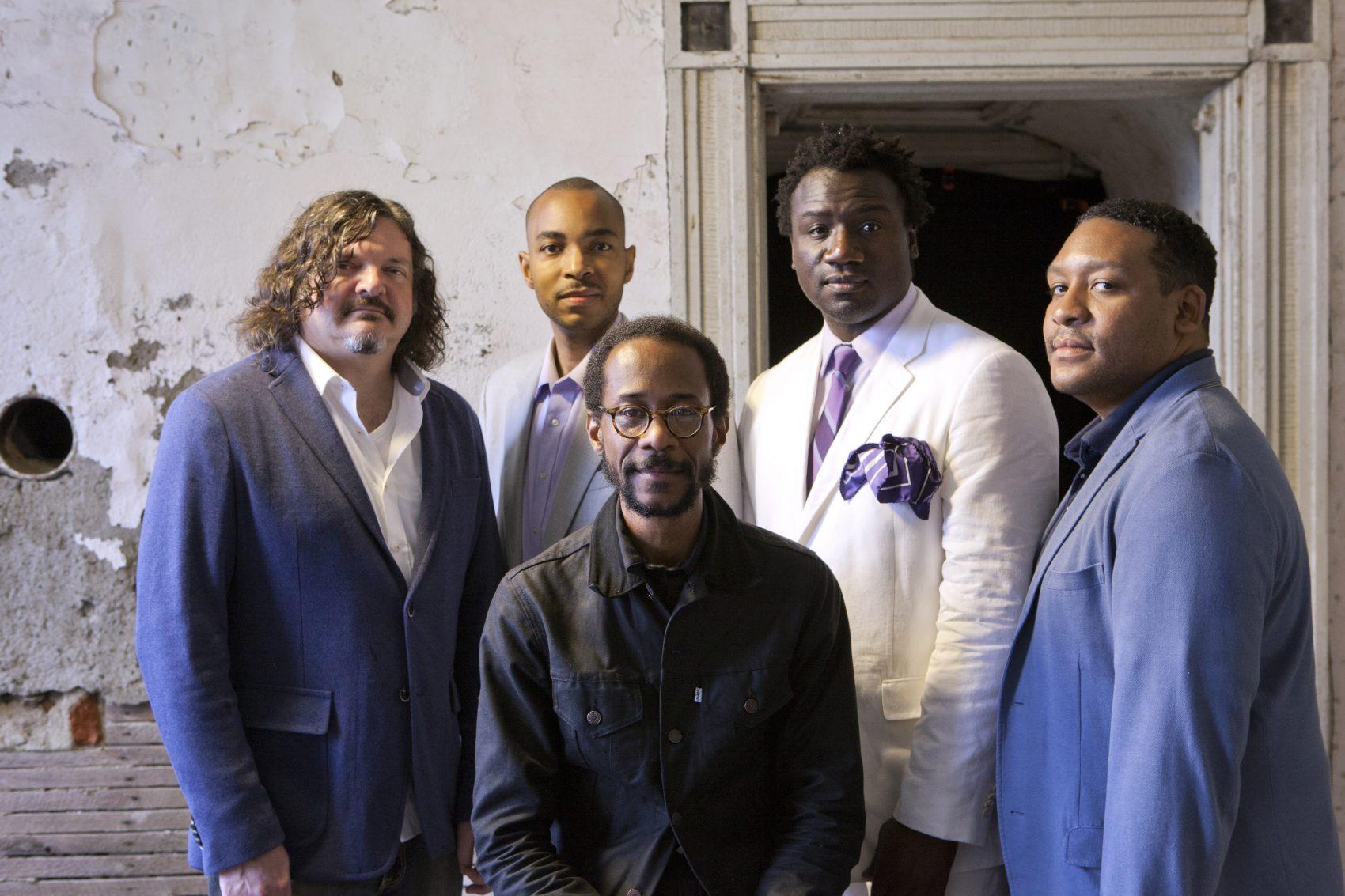
In 2018, Parks released Little Big on Ropeadope. Named after an epic fantasy novel by author John Crowley, it also served as the moniker for a new ensemble featuring guitarist Greg Tuohey, bassist David "DJ" Ginyard, Jr., and drummer Tommy Crane; like Parks, they are all musicians who refuse the artificial genre divisions between jazz improvisation, rock dynamics, and electronic textures and atmospheres. The set was mixed by Daniel Schlett (the War on Drugs) and longtime friend Chris Taylor, a member of Grizzly Bear. Taking Little Big out on tour for over a year, the band re-entered Brooklyn Recording over two days in December 2019 and cut what became Little Big II: Dreams of a Mechanical Man, a contrasting sequel to its predecessor in that due to touring, their chemistry had become intuitive and direct. Whereas Little Big had featured compositions, the latter recording focused on the band's developed "single organism" sound. It was released in May 2020.
Unfortunately, as the global COVID-19 pandemic hit an early peak, Parks and his quartet was unable to tour. In 2021 the pianist, with longtime friends and associates Matt Brewer (bass) and Eric Harland (drums), got together for an impromptu session. They didn't rehearse, listen to playbacks, or discuss the music much. They just played: originals by all three musicians, standards, and covers. Titled simply Volume One, the first installment appeared in March 2021 and was followed in June by Volume Two; both were digital-only releases.
In May 2023, Parks and Little Big toured the U.S. and Europe, introducing new drummer Jongkuk Kim to audiences. They performed at Berlin's famed Zig Zag Jazz club in May. The gig was recorded as an iPhone voice memo, capturing the band's inimitable live dynamic. Despite a rough and ready performance (Parks made note of his own mistakes in his notes) and the digital recording source, they captured the gig in surprising fidelity. Parks released it digitally and as a limited-edition cassette in December as Live in Berlin.
Parks resigned with Blue Note to release Little Big III. With his LB quartet, he co-produced the sessions with label boss Don Was. Parks decided to give his bandmates more say in the group's recordings and utilized their compositions as well as his own. He explained that it was not only to democratize the band, but to address creative tension being its only composer. The album's set-closer "Ashé" was composed by Parks for his final album with Terrence Blanchard, A Tale of God's Will (A Requiem for Katrina). The nine-track set was released in October 2024. ~ Matt Collar, Rovi
Viberate is a music analytics platform built for A&Rs, artist managers, labels, booking agents, marketers, and artists.
It helps music professionals track artist growth, analyze audience data, monitor playlist activity, compare artists, follow song performance, and identify opportunities across the music market.
Public artist pages provide a free preview of selected artist data. Paid plans provide access to deeper analytics, historical data, charts, comparisons, playlist tools, exports, alerts, reports, and additional professional features.
Yes. Public Viberate artist pages provide selected artist analytics and music data for free.
Viberate also offers a 7-day free trial of the full platform. A credit card is required to start the trial. The trial includes access to the complete product so users can test deeper artist analytics, historical views, playlist insights, comparisons, charts, exports, alerts, and reporting features before choosing a paid plan.
Viberate provides artist analytics across streaming, playlists, social media, video, radio airplay, songs, and audience markets.
Users can analyze Spotify performance, Spotify and Apple Music playlists, YouTube activity, TikTok and Instagram growth, radio spins, song performance, audience locations, demographics, rankings, and overall artist momentum.
Artist profiles also connect to music charts, similar artists, and comparison tools, helping users benchmark performance and evaluate artists in context.
Viberate updates key artist and track data daily.
For followed artists and tracks, selected data is refreshed multiple times per day. This helps teams monitor playlist changes, streaming movement, audience growth, releases, and campaign performance with more current data.
Update frequency can vary depending on the metric and data source.
Yes. Viberate lets users compare up to five artists side by side across streaming, social media, audience, and engagement metrics.
Users can compare fanbase growth, audience demographics, locations, Spotify performance, social metrics, and other artist data over selected time periods.
Artist comparison can be used for A&R scouting, benchmarking, booking decisions, campaign planning, and evaluating artists with similar audiences or market positions.