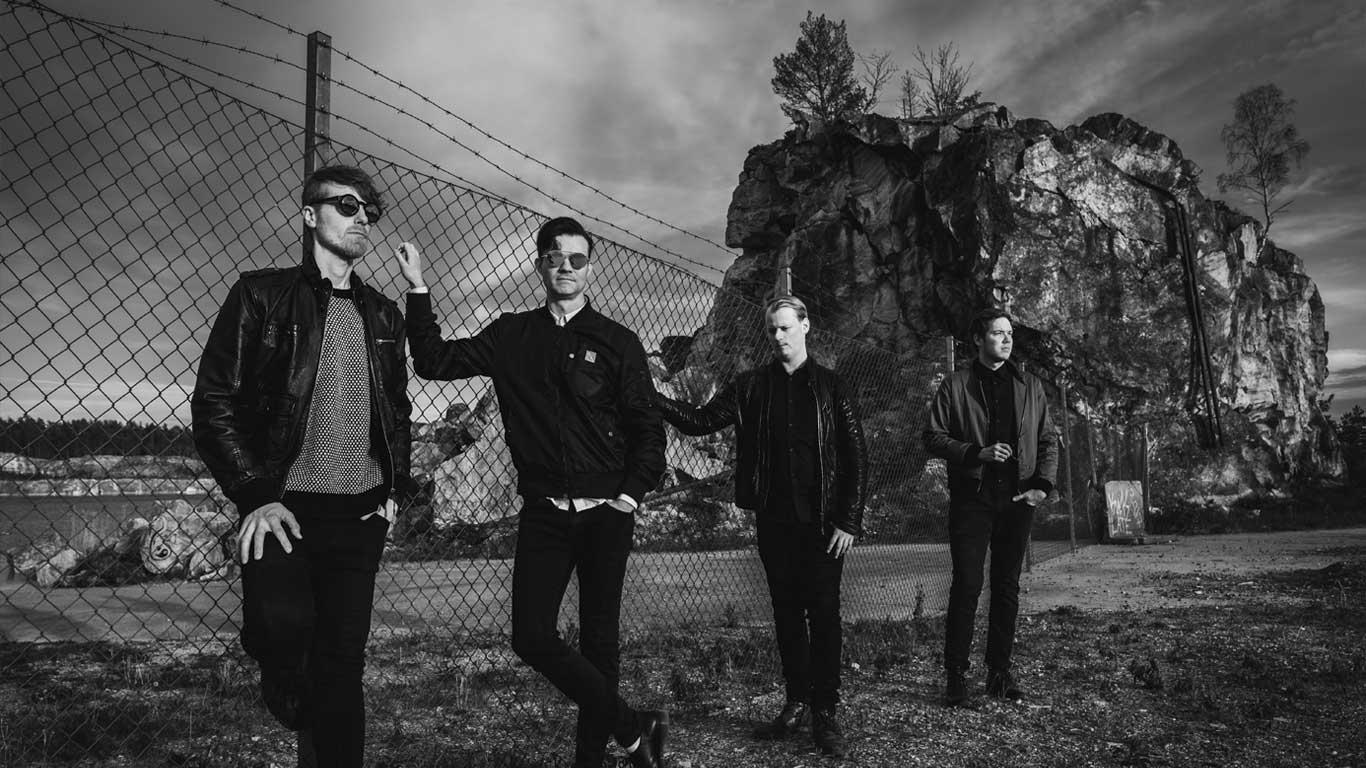
A Projection

Rock
Indie Rock
Cold wave
 Viberate Rank: 197528
 Viberate Rank: 197528
 Monthly ListenersFollowers
 Subscribers
 Followers
 Followers
 FansTop Spotify Songs
| Track | 7-Day Streams | |
|---|---|---|
1 | 3.11K | |
2 | 902 | |
3 | 529 | |
4 | 506 | |
5 | 457 |
Top YouTube VideosMonthly ListenersFeatured in Playlists| Playlist | Followers | |
|---|---|---|
1 |  Dark & Gothic Pete Mills | 177.05K |
2 |  POST PUNK RUSO Aaron | 46.21K |
3 |  GOTH ULTIMATE LIST | DARK WAVE/POST-PUNK/GOTHIC ROCK/EBM/SYNTH/DEATH ROCK Annie Dark | 31.60K |
4 |  Industrial | EBM | Darkwave | Dark Electro | Aggrotech | Industrial Techno by DARKLARK darklark | 22.25K |
5 | Post punk🖤 Michel Rodriguez | 21.99K |
Audience| City | Monthly Listeners | |
|---|---|---|
1 |  | 538 |
2 | | 325 |
3 |  | 272 |
4 | | 183 |
5 | | 180 |
See full performance history, audience data, playlist activity, rankings, comparisons, and more in Viberate music analytics. Start with a free trial, then continue with a paid plan.
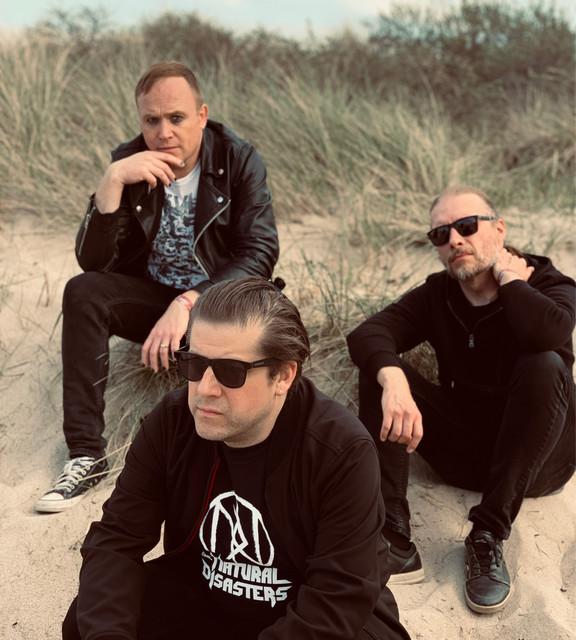
A Projection’s Spotify BioThe Stockholm based A PROJECTION started in 2013 with the ambition to be a true post punk band. The main influences were groups like The Cure, Joy Division/New Order, Sisters of Mercy, Interpol, and Editors. Electronic acts like Kraftwerk, Depeche Mode, D.A.F. and The Knife were also important Influences.
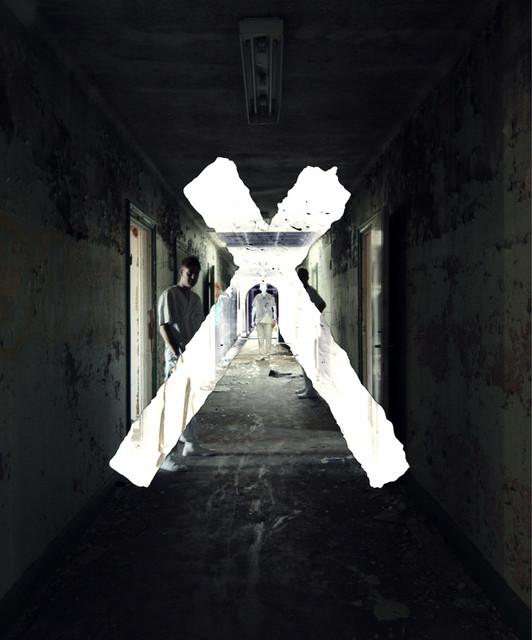
Although sometimes spilling over into adjacent genres like indie and goth, the first three albums (Exit, Framework and Section) were rather firmly rooted in the post punk genre, developing from a rather hard-boiled, minimalistic sound into a more readily accessible one, all within the within the framework of a pretty strict post-punk aesthetic and attitude.
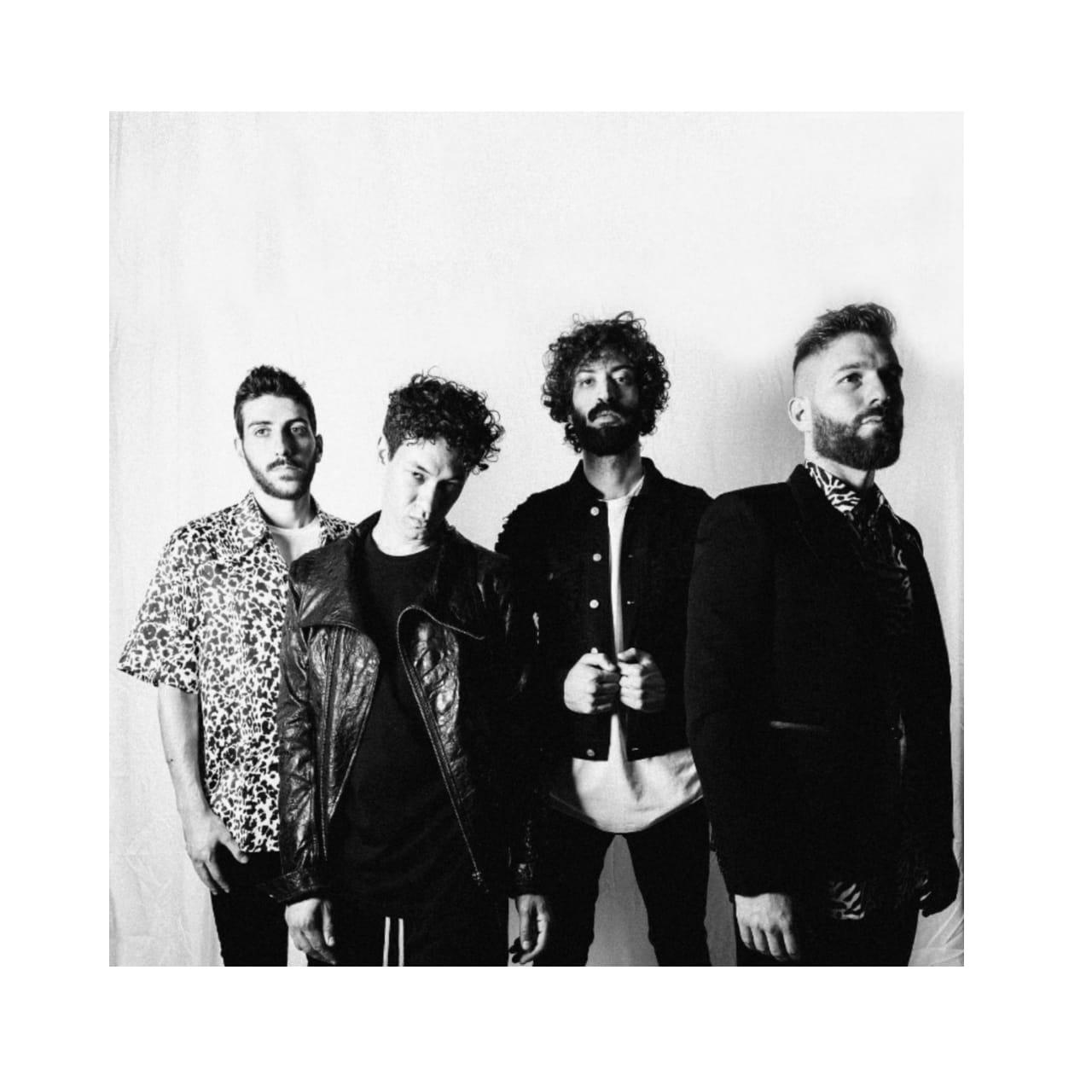
During Covid, after having changed both a couple of members, with e.g. the former bassist becoming the main vocalist, and record company, from the more indie oriented Tapete Records to the genre-wise more well-suited Metropolis Records, the sound of A PROJECTION shifted towards a more synth based style with a lot of influences from… both the 80s, contemporary darkwave and mainstream hit lists.
The A PROJECTION sound has been described as “a danceable mixture of post punk and electronica, with both depth and edge, bright colors and darkness”. This description still holds today.
Viberate is a music analytics platform built for A&Rs, artist managers, labels, booking agents, marketers, and artists.
It helps music professionals track artist growth, analyze audience data, monitor playlist activity, compare artists, follow song performance, and identify opportunities across the music market.
Public artist pages provide a free preview of selected artist data. Paid plans provide access to deeper analytics, historical data, charts, comparisons, playlist tools, exports, alerts, reports, and additional professional features.
Yes. Public Viberate artist pages provide selected artist analytics and music data for free.
Viberate also offers a 7-day free trial of the full platform. A credit card is required to start the trial. The trial includes access to the complete product so users can test deeper artist analytics, historical views, playlist insights, comparisons, charts, exports, alerts, and reporting features before choosing a paid plan.
Viberate provides artist analytics across streaming, playlists, social media, video, radio airplay, songs, and audience markets.
Users can analyze Spotify performance, Spotify and Apple Music playlists, YouTube activity, TikTok and Instagram growth, radio spins, song performance, audience locations, demographics, rankings, and overall artist momentum.
Artist profiles also connect to music charts, similar artists, and comparison tools, helping users benchmark performance and evaluate artists in context.
Viberate updates key artist and track data daily.
For followed artists and tracks, selected data is refreshed multiple times per day. This helps teams monitor playlist changes, streaming movement, audience growth, releases, and campaign performance with more current data.
Update frequency can vary depending on the metric and data source.
Yes. Viberate lets users compare up to five artists side by side across streaming, social media, audience, and engagement metrics.
Users can compare fanbase growth, audience demographics, locations, Spotify performance, social metrics, and other artist data over selected time periods.
Artist comparison can be used for A&R scouting, benchmarking, booking decisions, campaign planning, and evaluating artists with similar audiences or market positions.