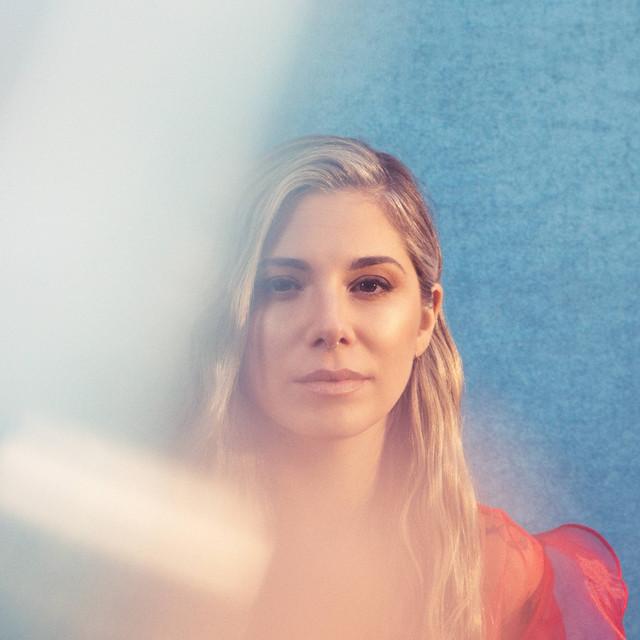
A Great Big World

Pop
Indie Pop
Mainstream Pop
 Viberate Rank: 6445
 Viberate Rank: 6445
 Monthly ListenersFollowers
 Subscribers
 Followers
 Followers
 FansTop Spotify Songs
| Track | 7-Day Streams | |
|---|---|---|
1 | 1.21M | |
2 | 109.97K | |
3 | 34.52K | |
4 | 23.68K | |
5 | 21.09K |
Top YouTube Videos| Video | 7-Day Views | |
|---|---|---|
1 | 1.15M | |
2 | 10.51K | |
3 | 5.99K | |
4 | 2.78K | |
5 | 2.76K |
Monthly ListenersFeatured in Playlists| Playlist | Followers | |
|---|---|---|
1 |  Life Sucks Spotify | 3.91M |
2 |  Alone Again Spotify | 3.30M |
3 |  Comfort Zone Spotify | 2.22M |
4 |  Love Pop Spotify | 2.01M |
5 |  Piano Ballads Spotify | 1.79M |
Audience| City | Monthly Listeners | |
|---|---|---|
1 |  | 33.00K |
2 |  | 31.78K |
3 |  | 28.49K |
4 | | 28.44K |
5 |  | 26.72K |
See full performance history, audience data, playlist activity, rankings, comparisons, and more in Viberate music analytics. Start with a free trial, then continue with a paid plan.
A Great Big World’s Spotify BioA Great Big World is built on the creative friendship of Ian Axel and Chad King — two songwriters who met in college and discovered a shared love for honest, piano-driven pop. What started as writing songs in tiny rehearsal rooms eventually found its way into living rooms around the world. Their breakout song, “Say Something,” especially after its collaboration with Christina Aguilera, became a turning point—proof that a quiet, vulnerable idea could speak loudly.
Over the years, they’ve continued exploring what a song can do, whether writing their own records or collaborating with artists like Andrea Bocelli, Rachel Platten, Pentatonix, Ingrid Michaelson, and more. Their music has appeared in television, film, and even children’s storytelling projects, but at the core, it’s always been about connection and craft. Most recently, they’ve expanded their storytelling into the world of theater with their original musical Wonder, set to make its stage debut in December.
Ian and Chad don’t… chase trends; they chase the feeling that happens when a simple melody says something true. A Great Big World is about building a world through song—one where emotion, reflection, and curiosity all have a place.
Viberate is a music analytics platform built for A&Rs, artist managers, labels, booking agents, marketers, and artists.
It helps music professionals track artist growth, analyze audience data, monitor playlist activity, compare artists, follow song performance, and identify opportunities across the music market.
Public artist pages provide a free preview of selected artist data. Paid plans provide access to deeper analytics, historical data, charts, comparisons, playlist tools, exports, alerts, reports, and additional professional features.
Yes. Public Viberate artist pages provide selected artist analytics and music data for free.
Viberate also offers a 7-day free trial of the full platform. A credit card is required to start the trial. The trial includes access to the complete product so users can test deeper artist analytics, historical views, playlist insights, comparisons, charts, exports, alerts, and reporting features before choosing a paid plan.
Viberate provides artist analytics across streaming, playlists, social media, video, radio airplay, songs, and audience markets.
Users can analyze Spotify performance, Spotify and Apple Music playlists, YouTube activity, TikTok and Instagram growth, radio spins, song performance, audience locations, demographics, rankings, and overall artist momentum.
Artist profiles also connect to music charts, similar artists, and comparison tools, helping users benchmark performance and evaluate artists in context.
Viberate updates key artist and track data daily.
For followed artists and tracks, selected data is refreshed multiple times per day. This helps teams monitor playlist changes, streaming movement, audience growth, releases, and campaign performance with more current data.
Update frequency can vary depending on the metric and data source.
Yes. Viberate lets users compare up to five artists side by side across streaming, social media, audience, and engagement metrics.
Users can compare fanbase growth, audience demographics, locations, Spotify performance, social metrics, and other artist data over selected time periods.
Artist comparison can be used for A&R scouting, benchmarking, booking decisions, campaign planning, and evaluating artists with similar audiences or market positions.