A Frames

Punk
Pop Punk
Noise Rock
 Viberate Rank: 407221
 Viberate Rank: 407221
 Monthly ListenersFollowers
 Subscribers
 Followers
 Followers
 FansTop Spotify Songs
| Track | 7-Day Streams | |
|---|---|---|
1 | 733 | |
2 | 412 | |
3 | 118 | |
4 | 97 | |
5 | 78 |
Top YouTube VideosMonthly ListenersFeatured in Playlists| Playlist | Followers | |
|---|---|---|
1 |  The Sound of Noise Rock The Sounds of Spotify | 6.06K |
2 | Dev's Playlist IDLES | 4.56K |
3 |  The Sound of Art Punk The Sounds of Spotify | 4.04K |
4 | KANGK IDLES | 2.85K |
5 |  Post Punk Party 26' Héctor Dorantes | 2.30K |
Audience| City | Monthly Listeners | |
|---|---|---|
1 | | 79 |
2 | | 69 |
3 | | 64 |
4 |  | 63 |
5 |  | 57 |
See full performance history, audience data, playlist activity, rankings, comparisons, and more in Viberate music analytics. Start with a free trial, then continue with a paid plan.
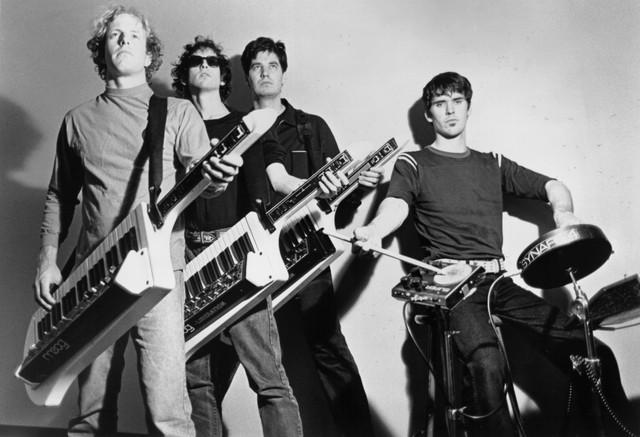
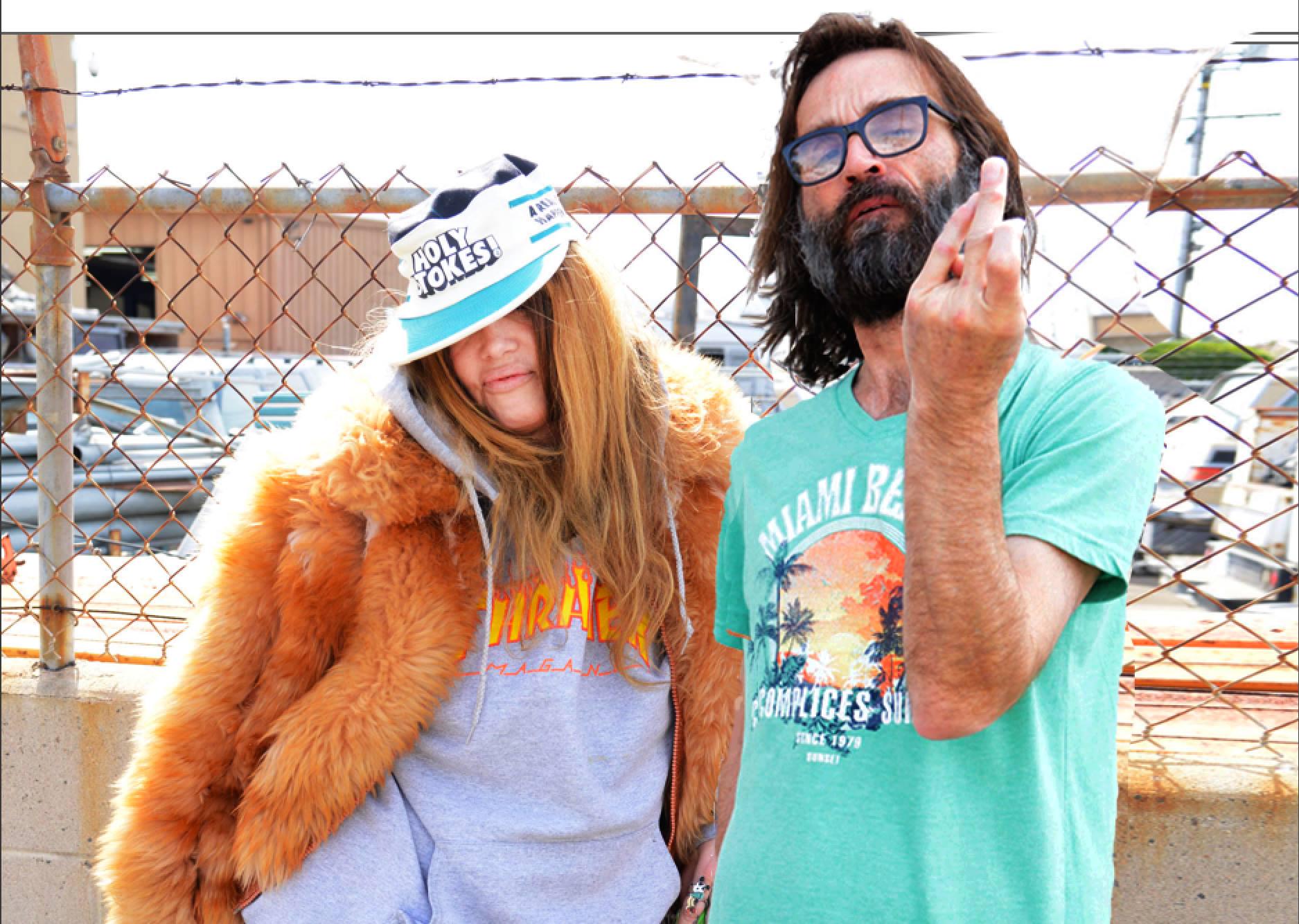
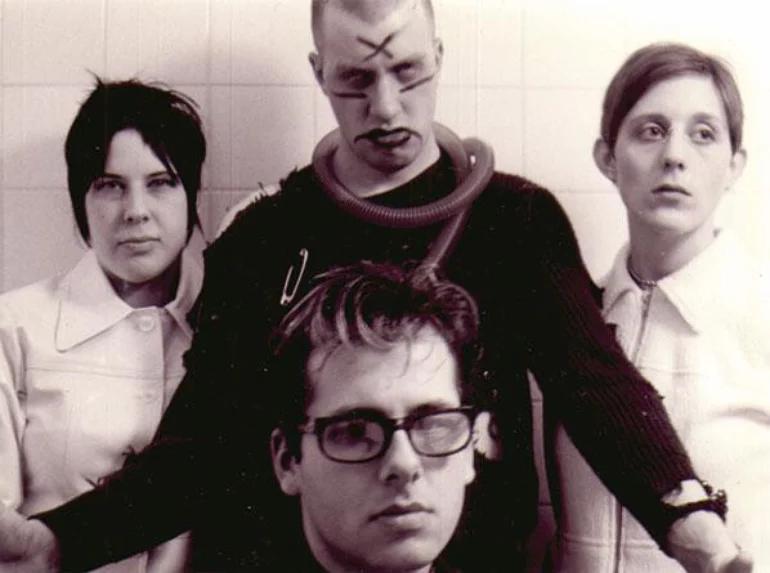
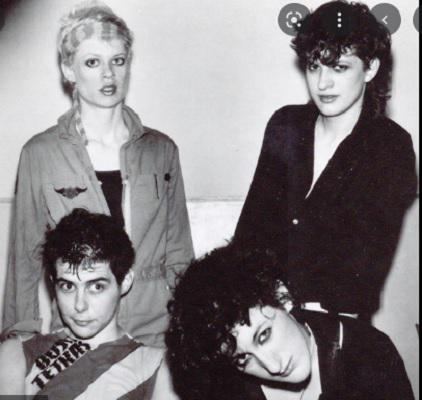
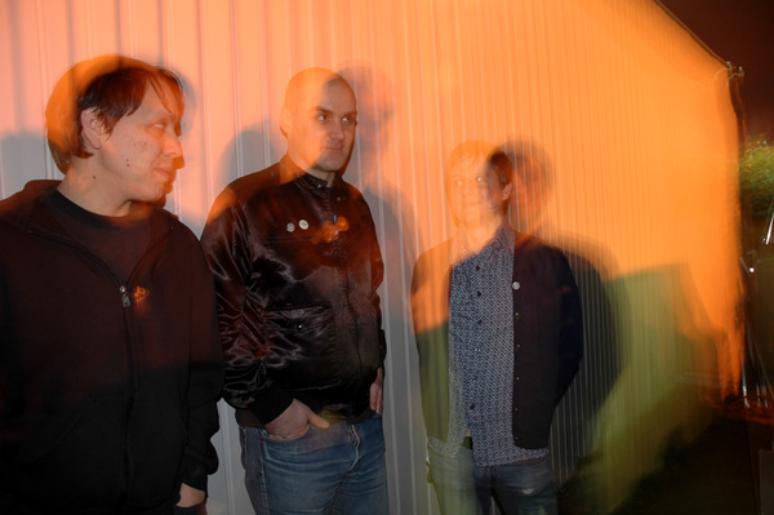
A Frames’ Spotify BioSeattle's experimental punk trio the A Frames feature vocalist/guitarist Erin Sullivan, bassist Min Yee, and drummer Lars Finberg, all of whom played together in a series of bands -- including the Intelligence, the Dipers, and the Un-Natural Helpers -- since the late '90s. Originally known as Bend Sinister, they became the A Frames in 1999 and began recording themselves in early 2000. Not willing to bet on the chances that a label might sign them, the bandmembers formed their own label, Dragnet, that year, and recorded some more tracks in Sacramento, CA, with Scott Soriano.
In 2000, Dragnet released the first A Frames single, Neutron Bomb/Radiation Generation/Test Tube Baby, and the group returned to Sacramento for more recording sessions. Soriano's label, S-S Records, released the band's next single, Plastica, in early 2001; by that fall, the A Frames had enough material ready for their first, self-titled album, which was co-released by Dragnet and S-S in spring 2002. They recorded… their second album, A Frames 2, that fall, and released it via S-S the following spring. Later in 2003, the band recorded -- and junked -- initial sessions for its third full-length; the following year the A Frames moved to Sub Pop, which released Black Forest (also recorded with Soriano) in early 2005. The following year, Finberg left the band to concentrate on the Intelligence. ~ Heather Phares, Rovi
Viberate is a music analytics platform built for A&Rs, artist managers, labels, booking agents, marketers, and artists.
It helps music professionals track artist growth, analyze audience data, monitor playlist activity, compare artists, follow song performance, and identify opportunities across the music market.
Public artist pages provide a free preview of selected artist data. Paid plans provide access to deeper analytics, historical data, charts, comparisons, playlist tools, exports, alerts, reports, and additional professional features.
Yes. Public Viberate artist pages provide selected artist analytics and music data for free.
Viberate also offers a 7-day free trial of the full platform. A credit card is required to start the trial. The trial includes access to the complete product so users can test deeper artist analytics, historical views, playlist insights, comparisons, charts, exports, alerts, and reporting features before choosing a paid plan.
Viberate provides artist analytics across streaming, playlists, social media, video, radio airplay, songs, and audience markets.
Users can analyze Spotify performance, Spotify and Apple Music playlists, YouTube activity, TikTok and Instagram growth, radio spins, song performance, audience locations, demographics, rankings, and overall artist momentum.
Artist profiles also connect to music charts, similar artists, and comparison tools, helping users benchmark performance and evaluate artists in context.
Viberate updates key artist and track data daily.
For followed artists and tracks, selected data is refreshed multiple times per day. This helps teams monitor playlist changes, streaming movement, audience growth, releases, and campaign performance with more current data.
Update frequency can vary depending on the metric and data source.
Yes. Viberate lets users compare up to five artists side by side across streaming, social media, audience, and engagement metrics.
Users can compare fanbase growth, audience demographics, locations, Spotify performance, social metrics, and other artist data over selected time periods.
Artist comparison can be used for A&R scouting, benchmarking, booking decisions, campaign planning, and evaluating artists with similar audiences or market positions.