A Band Called E

Rock
Alternative Rock
Noise Rock
 Viberate Rank: 588516
 Viberate Rank: 588516
 Monthly ListenersFollowers
 Subscribers
 Followers
 Followers
 FansTop Spotify Songs
| Track | 7-Day Streams | |
|---|---|---|
1 | 15 | |
2 | 10 | |
3 | 9 | |
4 | 8 | |
5 | 6 |
Top YouTube VideosMonthly ListenersFeatured in Playlists| Playlist | Followers | |
|---|---|---|
1 |  KEXP's Song of the Day 2018 KEXP | 9.15K |
2 |  Matador Recommends Matador Records | 4.81K |
3 |  Damnably Digs💫100+ hours & 1673 tracks picked by Damnably Records of London Damnably | 1.94K |
Audience| City | Monthly Listeners | |
|---|---|---|
1 | | 3 |
See full performance history, audience data, playlist activity, rankings, comparisons, and more in Viberate music analytics. Start with a free trial, then continue with a paid plan.
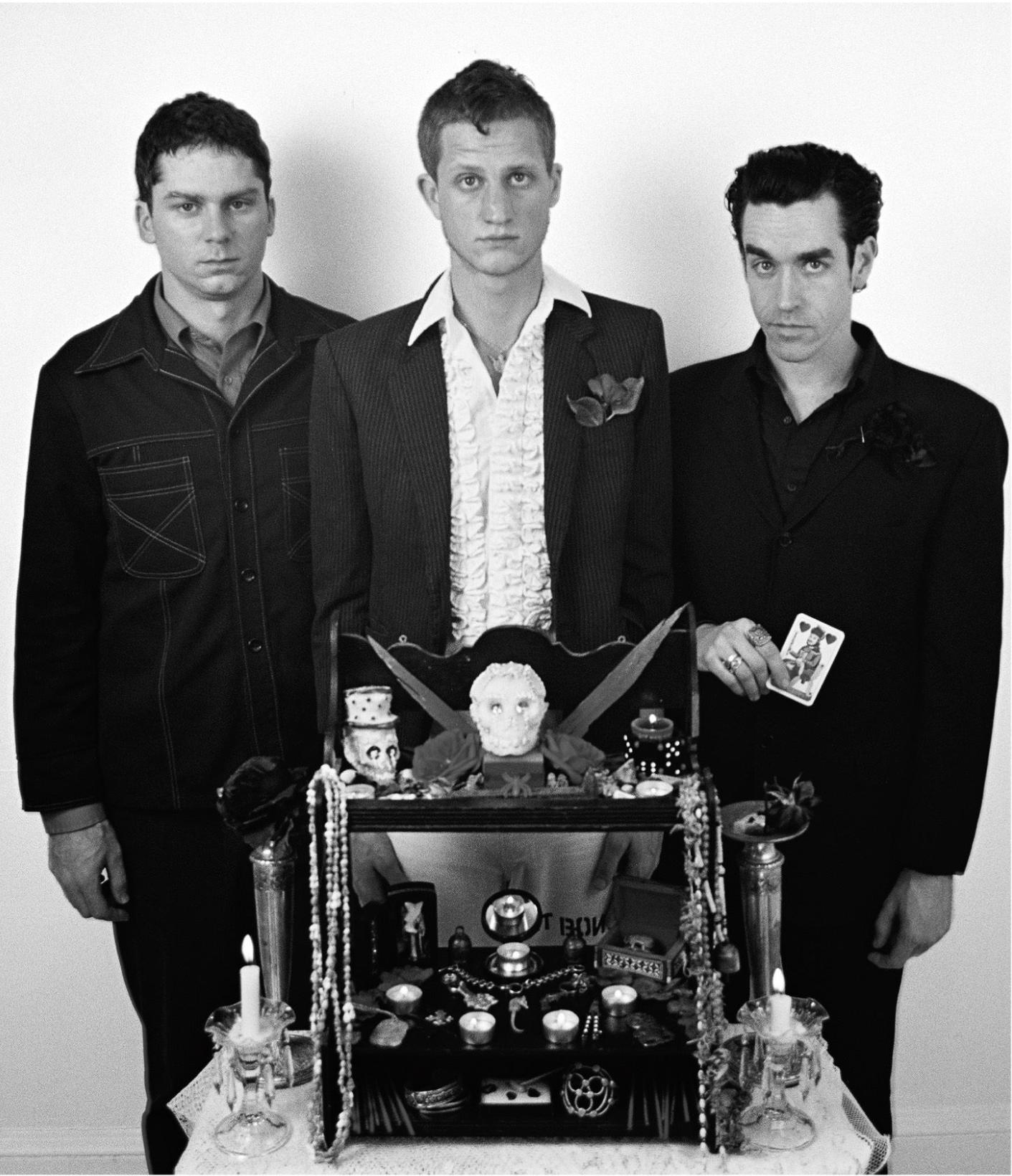
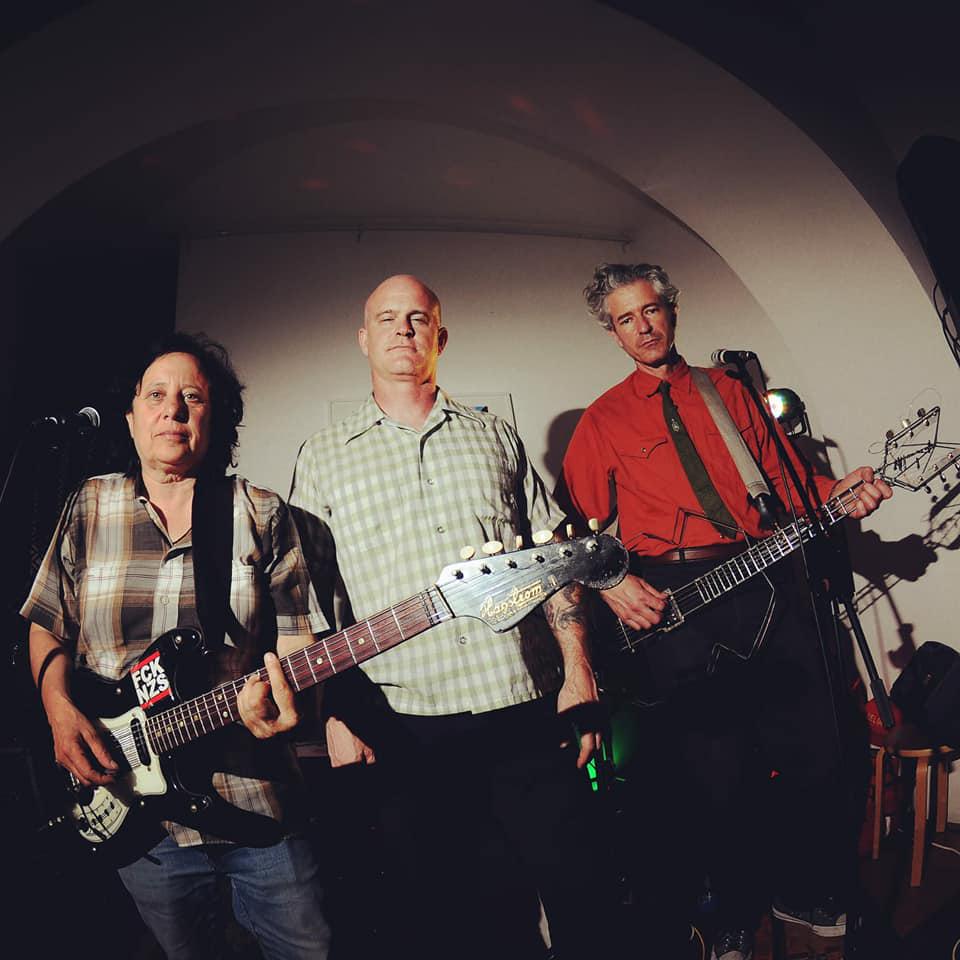
A Band Called E’s Spotify BioE is an indie rock trio consisting of vocalist/guitarist Thalia Zedek (formerly of Come, Uzi, and Live Skull), vocalist/guitarist Jason Sanford (Neptune), and drummer Gavin McCarthy (Karate). The group's tense, angular sound expresses fear and paranoia via driving rhythms and inventive guitar techniques. Since the group debuted in 2013, E has won a following (especially in their hometown of Boston) through powerful live performances and uncompromising studio work. After a promising debut single, 2014's "I Want to Feel Good," E's music took on a harder and more fully realized form on their self-titled 2016 album, while 2018's Negative Work found them sounding more ambitious but no less ferocious.
E was formed in 2013 -- Zedek assembled the group after feeling she'd fallen into a rut with a series of more subdued projects in the wake of Come's breakup. Zedek admired Jason Sanford's work in Neptune, and they met through mutual friends. After she suggested they try working together, Zedek… and Sanford began jamming regularly, improvising material that coalesced into songs. With Alec Tisdale (Volcano Kings) as their drummer, E began playing out, and their debut 7" single "I Want to Feel Good" was released by 100% Breakfast! in 2014. Personal and professional commitments led to Tisdale dropping out of the trio, and McCarthy, who had seen E perform several times, offered to join the group. The trio continued to hone their sound, and eventually signed to Thrill Jockey, which issued their self-titled debut full-length in November of 2016. That same month, E also released Foundations/Trials, a cassette-only collection of early studio and live recordings. In 2018, E returned with a second full-length studio project, Negative Work. ~ Paul Simpson & Mark Deming, Rovi
Viberate is a music analytics platform built for A&Rs, artist managers, labels, booking agents, marketers, and artists.
It helps music professionals track artist growth, analyze audience data, monitor playlist activity, compare artists, follow song performance, and identify opportunities across the music market.
Public artist pages provide a free preview of selected artist data. Paid plans provide access to deeper analytics, historical data, charts, comparisons, playlist tools, exports, alerts, reports, and additional professional features.
Yes. Public Viberate artist pages provide selected artist analytics and music data for free.
Viberate also offers a 7-day free trial of the full platform. A credit card is required to start the trial. The trial includes access to the complete product so users can test deeper artist analytics, historical views, playlist insights, comparisons, charts, exports, alerts, and reporting features before choosing a paid plan.
Viberate provides artist analytics across streaming, playlists, social media, video, radio airplay, songs, and audience markets.
Users can analyze Spotify performance, Spotify and Apple Music playlists, YouTube activity, TikTok and Instagram growth, radio spins, song performance, audience locations, demographics, rankings, and overall artist momentum.
Artist profiles also connect to music charts, similar artists, and comparison tools, helping users benchmark performance and evaluate artists in context.
Viberate updates key artist and track data daily.
For followed artists and tracks, selected data is refreshed multiple times per day. This helps teams monitor playlist changes, streaming movement, audience growth, releases, and campaign performance with more current data.
Update frequency can vary depending on the metric and data source.
Yes. Viberate lets users compare up to five artists side by side across streaming, social media, audience, and engagement metrics.
Users can compare fanbase growth, audience demographics, locations, Spotify performance, social metrics, and other artist data over selected time periods.
Artist comparison can be used for A&R scouting, benchmarking, booking decisions, campaign planning, and evaluating artists with similar audiences or market positions.